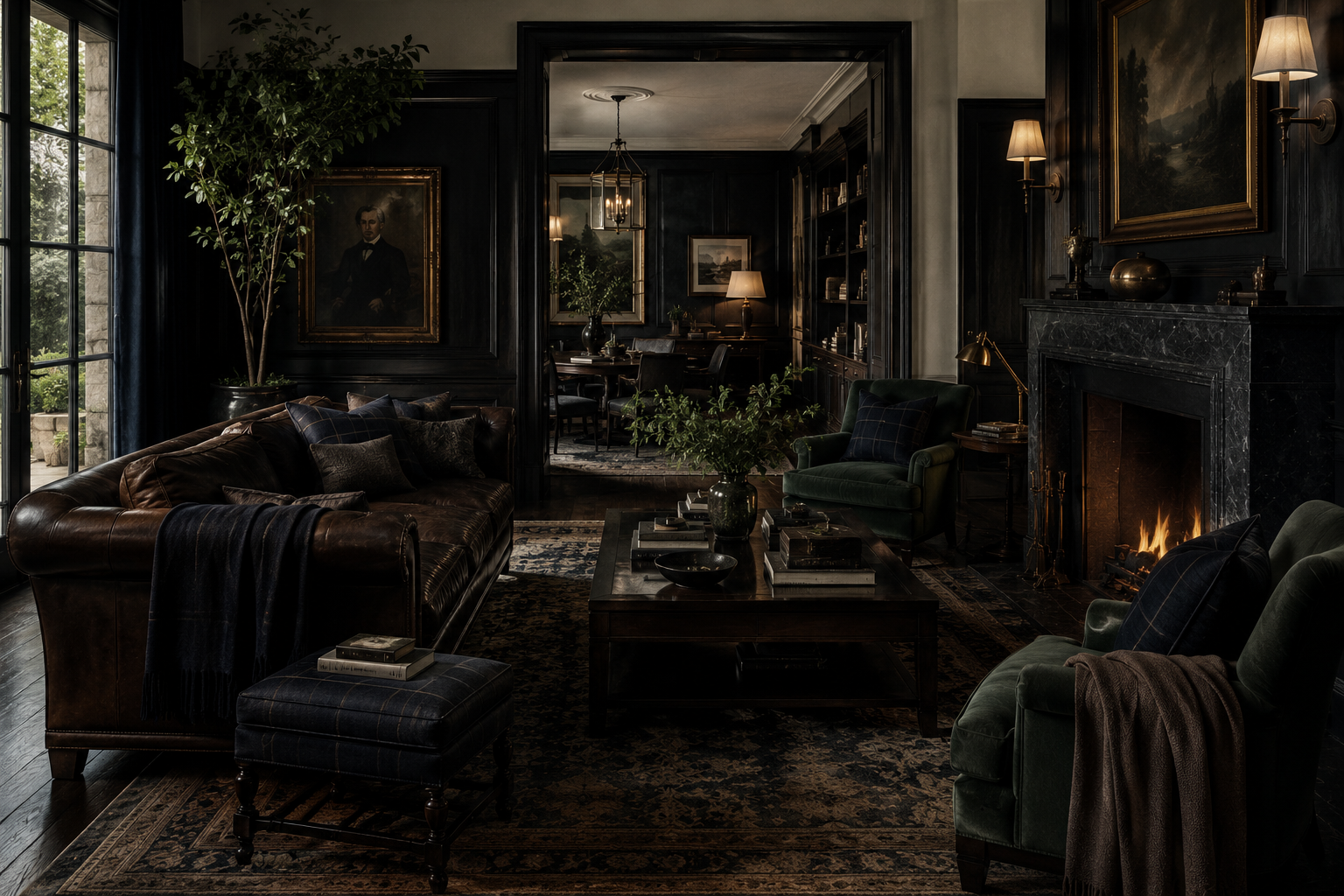
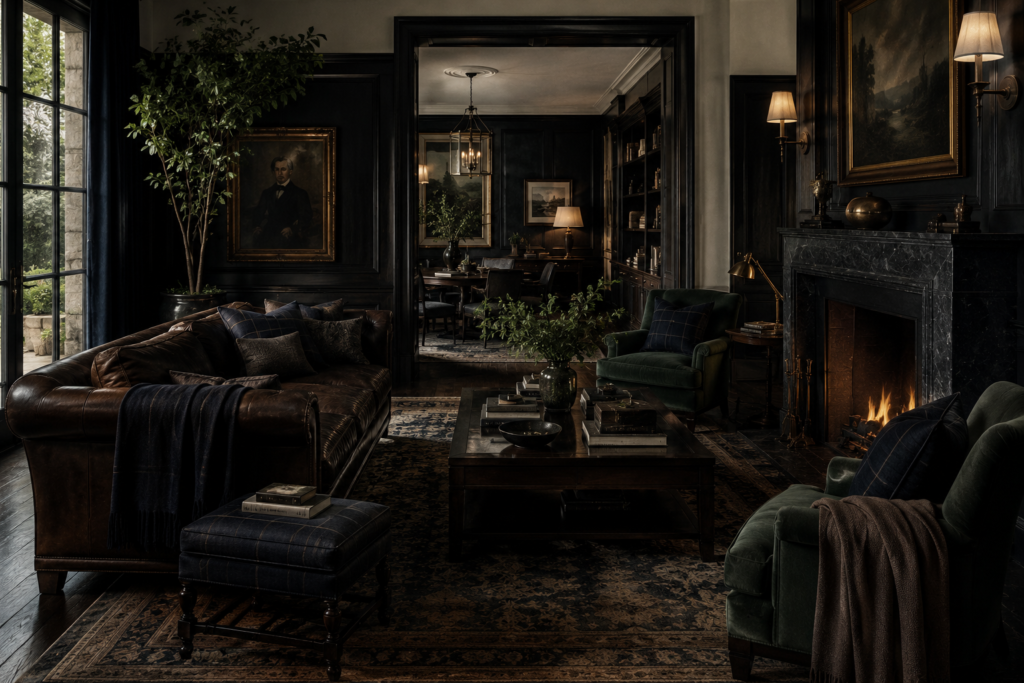
Twenty years ago, the family home was built on presumptions that no longer apply to many homes. A domestic pattern that modern families increasingly do not recognise as their own is reflected in fixed rooms with fixed purposes, a clear division between work and domestic life, and layouts optimised for a single primary income earner spending the majority of the day away from it. Thomas Robinson Architects and firms that work at the nexus of modern living and residential design are aware that truly usable homes are not built around inherited categorisations that served a previous era, but rather around how people actually live.
The Collapse of the Work-Home Boundary
For a significant section of the population, remote and hybrid work arrangements have irrevocably changed the link between personal space and professional activities. A house without a dedicated workspace other than a kitchen table forces its residents to make daily decisions that undermine both household comfort and professional focus.
It takes more than just putting a workstation in a spare bedroom to design for this reality. For video chats and prolonged focus, acoustic separation from domestic activity is crucial. Ambient home lighting is not the same as lighting suitable for screen work. The psychological distinction between work and rest that is compromised by common areas is maintained by storage space for work equipment that can be closed off at the end of the working day.
Homes with a designated workspace that is well-thought-out in terms of natural light, ventilation, and acoustic treatment benefit their occupants in ways that ad hoc arrangements cannot match and that constitute a long-term rather than short-term increase in the building’s functionality.
Flexibility Over Fixed Function
The conventional room-by-room arrangement, in which every area has a single purpose that can be inferred from its size and location, is used for households whose makeup and activities don’t change over time. Seldom do modern households meet this criteria. Children’s needs change throughout time, from a place to play to a place to study to a place where they can live somewhat independently within the same property. Spaces that accommodate many age groups concurrently without restricting one another are necessary for multigenerational houses.
When rooms are designed with flexibility in mind, their size, acoustic qualities, and connections to other areas enable them to be reinterpreted when needs change. Over the course of a home’s existence, large, well-proportioned rooms with plenty of natural light and few structural limitations are more valuable than those that are specifically designed for a current function but might become obsolete in a few years. This is why many homeowners choose to build custom homes that can be tailored to their family’s current lifestyle while remaining flexible enough to adapt to future needs.
The Kitchen as the Actual Centre
The kitchen has been referred to as the “heart of the home” in marketing lingo for so long that it has lost all meaning. The underlying observation is still architecturally significant. The kitchen and the areas immediately surrounding it are where most families really congregate, where kids complete their schoolwork, where adults eat and mingle, and where the everyday routine of domestic life is most regularly observed.
The way that most families really use their homes is at odds with residential design that treats the kitchen as a functional service area that is set apart from the major living areas. Instead of requiring occupants to modify their behaviour to fit the layout, spaces that integrate kitchen, dining, and informal living into a single connected zone, with the kitchen itself set up as an integral part in family life rather than an add-on to it, feel right from the first day of occupancy.
Outdoor Space as Domestic Extension
The pandemic period proved beyond a shadow of a doubt what smart residential design has always understood: outside space that is easily accessible from living spaces is a practical part of how families use their houses, not a luxury addition. In ways that a completely enclosed space cannot match, gardens, terraces, and even small outdoor spaces that naturally connect to internal spaces increase a home’s useful living area for most of the year.

The same consideration must be given to internal spatial relationships when designing the transition from inside to outside. Level thresholds, covered areas that extend usability into inclement weather, and the visual connection between indoor and exterior spaces all influence whether outdoor areas are truly used or merely present.
Sustainability as Practical Benefit
For the majority of households, energy performance in domestic architecture has evolved from an ethical goal to a practical financial priority. Renewable energy systems, airtight construction with regulated ventilation, and high levels of insulation all lower the ongoing cost of living in a home in ways that increase the building’s value over time.
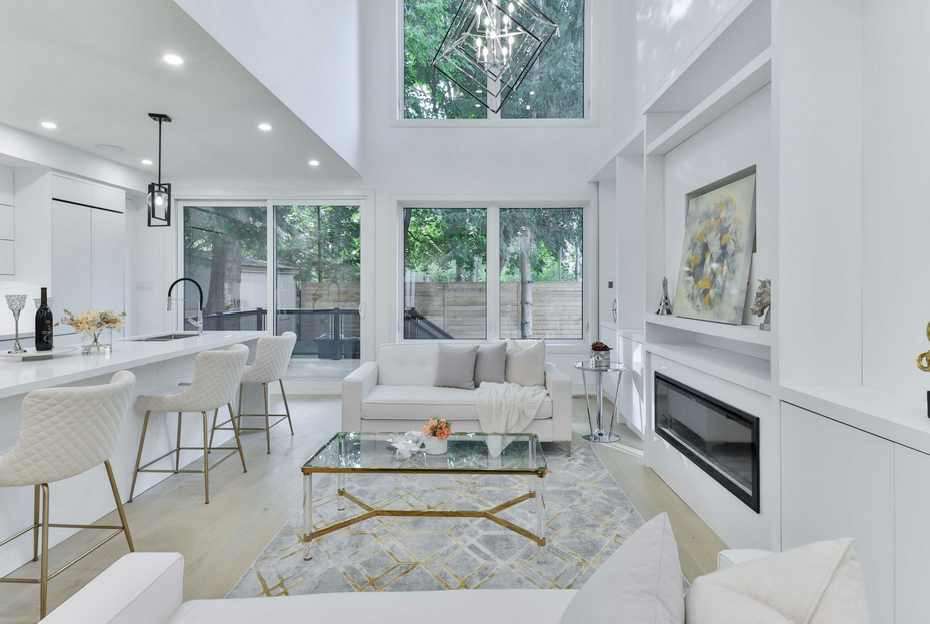
Families that decide to build or significantly modify a home have a unique chance to take care of these aspects right away, achieving performance standards that retrofitting an existing building can rarely equal at comparable expense.
Building Around Real Life
The best residential design does not dictate how domestic life ought to be lived. It examines how families actually function and, to the greatest extent possible, establishes the spatial conditions that facilitate such functioning. Work patterns, family composition, the interaction between indoor and outdoor life, and the long-term cost of tenancy have all changed, rendering the traditional assumptions of residential design increasingly ineffective. From the first day of occupancy, homes built with actual consideration for modern life, as opposed to historical typologies, provide greater service to their occupants and continue to do so as the families within them evolve.