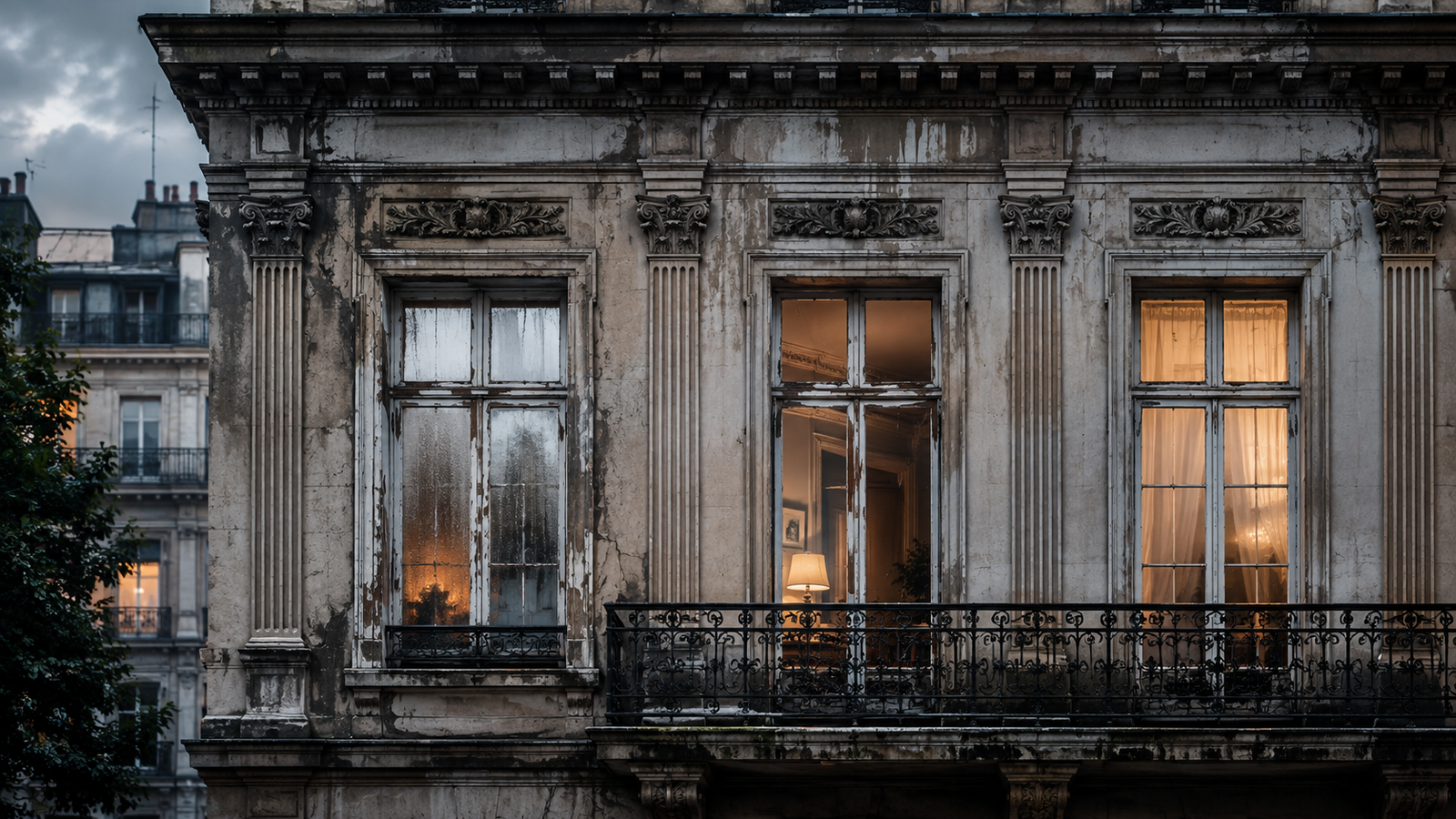
Your windows do a lot more than frame the view. They affect how warm your bedroom feels in January, how much street noise creeps into your living room, and how hard your HVAC system has to work every day. If you’ve been putting off window issues because they seem minor, you’re not alone. A sticky sash or a chilly draft can feel easy to ignore, right up until your energy bill starts acting rude.
Old Windows Quietly Drain Money Every Month
You might not notice inefficient windows the way you notice a leaking roof, but your utility bills definitely do. Older windows often let conditioned air slip out and outdoor air sneak in, especially when seals have failed or frames have started to warp.
That means your heating and cooling system has to keep compensating. Over time, that extra strain can push up monthly costs and wear down HVAC equipment faster. Single-pane glass is usually the biggest offender, but aging double-pane windows with broken seals can also lose much of their insulating value.
If you live in a place with hot summers, cold winters, or both, those losses stack up fast. You’re essentially paying to regulate the temperature outside your house. Not the most generous donation plan.
Safety and Function Matter More Than You Think
Windows that are hard to open, refuse to stay up, or don’t lock properly create practical problems that go beyond inconvenience. In some cases, they can become safety issues.
A painted-shut or swollen window may be frustrating during daily use, but it also limits emergency egress if you ever need a quick exit. Windows that won’t lock securely can weaken home security, especially on ground floors. Broken hardware, warped frames, and degraded tracks all add up.
If you’re assessing whether repair or replacement makes more sense, this is where professional input helps. Experienced window replacement experts can evaluate frame condition, insulation performance, hardware failure, and installation quality to determine whether the issue is cosmetic or structural. That kind of assessment beats guessing and hoping for the best.
Drafts and Hot Spots Change How Your Home Feels
Comfort is where window problems become personal. One room feels like a freezer in winter, another gets blasted with afternoon heat, and suddenly everyone in the house has strong opinions about the thermostat.
Poor-performing windows often create uneven temperatures because glass and frames transfer heat more easily when insulation is weak. You may also feel air movement around the edges, even when the windows are fully closed. That subtle draft can make a room feel colder than the actual thermostat reading.
Bedrooms, home offices, and living rooms tend to show these problems first because you spend more time there. If you’ve ever avoided sitting near a window in January or closed the blinds just to survive a sunny afternoon, your windows may be running the show more than you think.
Noise Control Gets Worse as Windows Age
A lot of people think of windows mainly in terms of weather, but sound control matters too. As windows age, gaps in frames, weaker seals, and thinner glass can allow much more outside noise inside.
That can be a serious issue if you live near traffic, schools, construction zones, or busy neighborhood streets. The difference between a well-sealed modern window and an older worn one can be surprisingly noticeable. You may hear fewer car horns, less barking, and less of your neighbor’s deeply committed leaf blower routine.
Modern replacement options often include insulated glass and tighter construction that reduce sound transmission. It won’t turn your home into a recording studio, but it can make everyday life feel calmer. That matters more than many homeowners expect, especially once remote work or studying enters the picture.
Moisture Problems Can Lead to Bigger Repairs
When windows stop performing properly, moisture often follows. Sometimes it shows up as condensation between panes, which usually points to a failed seal. Other times, water intrusion appears around the frame, sill, or wall.
That’s where a small annoyance can start developing expensive side quests. Moisture can damage trim, stain drywall, encourage mold growth, and even contribute to wood rot if the issue continues long enough. In older homes, repeated leaks around windows may also affect insulation hidden inside the wall cavity.
You don’t need a dramatic puddle to have a real problem. Peeling paint, soft spots in trim, musty smells, and persistent condensation are all signs worth taking seriously. Catching those signals early gives you more options and lowers the chance of repairs spreading beyond the window itself.
Curb Appeal and Resale Value Often Depend on Details
Even if you’re not planning to sell soon, old windows affect how your home looks from both inside and outside. Foggy glass, chipped frames, and dated styles can make an otherwise well-kept property seem neglected.
Buyers tend to notice window condition quickly because replacement is a known expense. If your home has obvious drafts, visible condensation between panes, or windows that struggle to open during a showing, that can raise questions about maintenance elsewhere too.
On the flip side, updated windows can sharpen curb appeal and make interiors feel brighter, cleaner, and more finished. They also signal that the home has been cared for. You don’t need a flashy transformation. Crisp sightlines, smoother operation, and better natural light already do a lot of visual heavy lifting.

Choosing the Right Replacement Means Looking Past the Price Tag
If replacement becomes the smart move, the cheapest option isn’t automatically the best deal. You’ll want to look at frame materials, glass packages, energy performance ratings, warranties, and installation quality.
A low upfront quote can lose its charm quickly if the product underperforms or the installation leaves gaps and alignment issues. Vinyl, fiberglass, and wood-clad options each come with tradeoffs related to maintenance, durability, and appearance. Glass coatings and gas fills also influence efficiency depending on your climate.
Ask practical questions:
– How will the window perform in your local weather?
– What maintenance will it need in five or ten years?
– Is the installer addressing flashing and sealing details properly?
– Will the style suit the architecture of your home?
Good windows are part product, part installation. One without the other is where headaches move in rent-free.
A Smart Window Decision Improves Daily Life
Replacing old windows isn’t only about energy savings or resale value, though both matter. It’s also about making your home easier to live in every single day.
Better windows can help rooms stay comfortable, reduce outside noise, improve security, and cut down on moisture issues before they snowball into larger repairs. If your current windows are sticking, rattling, fogging, or leaking air, those aren’t quirky house traits. They’re signs your home is asking for attention.
Take a close look at the rooms you use most. Notice where the drafts hit, where the noise gets in, and where sunlight turns aggressive. Once you see how much your windows shape the feel of your space, ignoring them gets a lot harder. For good reason.