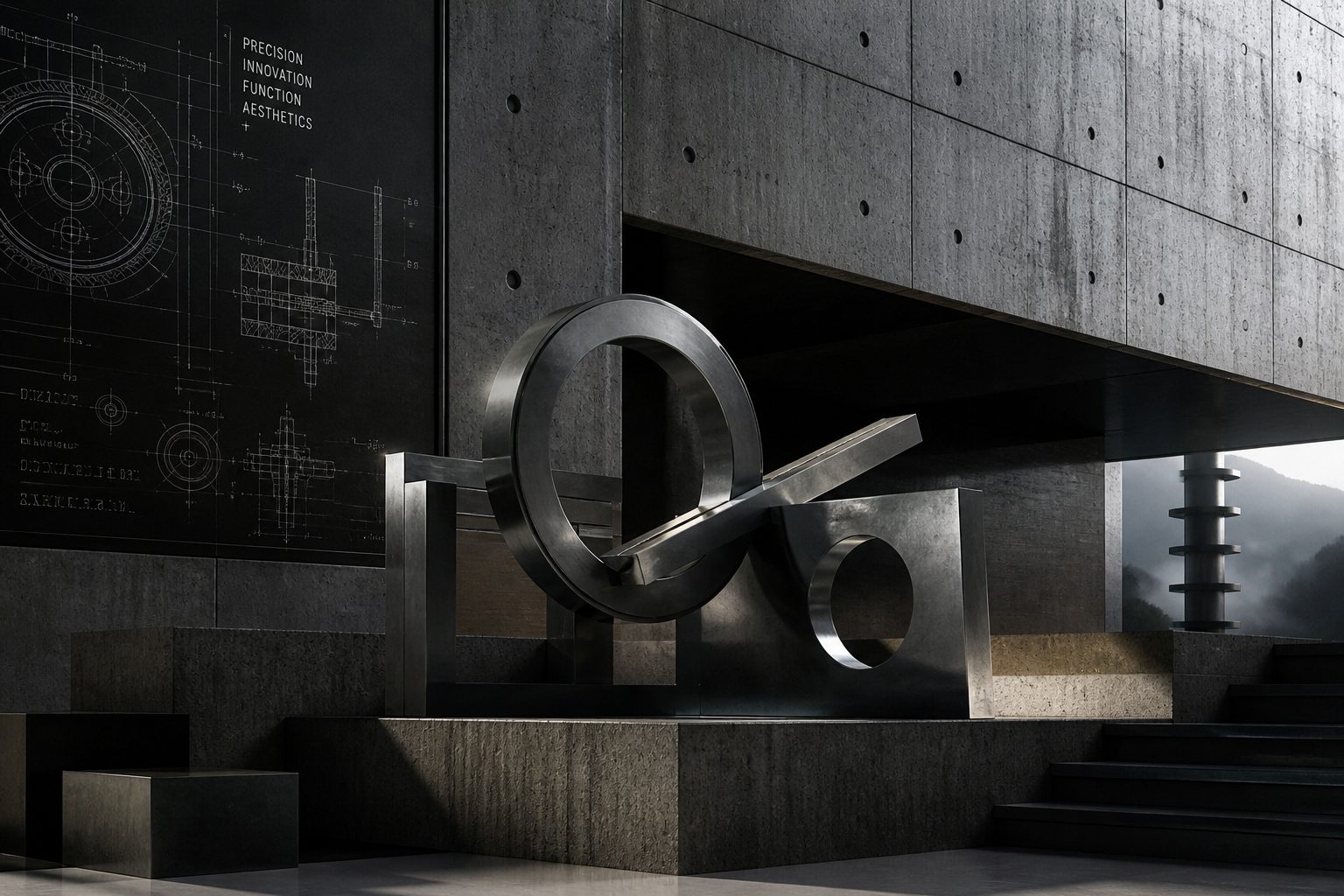
Design used to be about how things looked on the outside. Now, the focus has shifted toward how they work on the inside. Precision engineering allows creators to push boundaries that once seemed impossible. It combines strict math with wild imagination to build the future. You might see this in sleek cars or tiny medical tools. This shift makes engineering the most exciting part of the creative process. Builders are finding new ways to combine aesthetics with strength.
Where Logic Meets Creative Vision
Small details often determine whether a bold design actually functions. Since an Australian screws and fasteners store offers high-grade components, you can see how engineering and design meet in every thread. Professional builders depend on these precise measurements to maintain safety.
They use these exact measurements to create objects that feel seamless. This level of accuracy turns a simple machine into a work of functional art. Every bolt and screw contributes to the overall stability of the structure.
Massive Growth in the Engineering Market
The financial side of this industry shows just how much demand is growing for high-quality parts. A recent market report stated that the global market for precision machines was worth $18.5 billion in 2024. Experts predict this number will climb to $28.2 billion by the year 2030.
This surge reflects a world where every industry needs more accuracy to stay competitive. Manufacturing is no longer about mass production alone. It is about creating parts that fit perfectly every time. This investment in quality is helping designers reach new heights.
Robotics and the Future of Work
Automation is changing the way we think about building things. One global economic study suggests that robotics and energy generation technologies will be transformative through 2026. These tools allow designers to automate the repetitive parts of their jobs.
It frees them up to focus on the creative vision of a project. Robots can now handle the precision tasks that humans find too tedious or difficult. This shift helps studios complete projects much faster than before. High-tech tools make it easier to maintain a high standard of work.
Economic Trends Shaping Creative Output
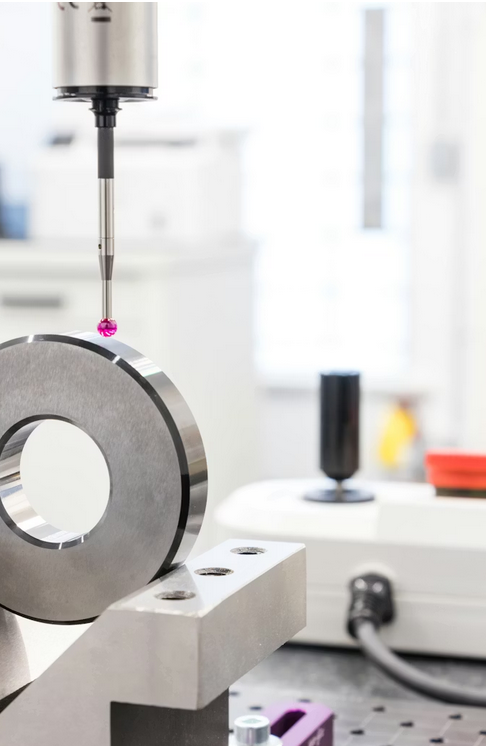
The way we create is tied to the health of the global economy. A digital economy report found 18 specific trends that are currently shaping economic activity and innovation. These patterns show that growth is becoming more dependent on technological breakthroughs.
Designers who stay ahead of these trends can find new ways to fund and build their ideas. It is a complex time – but it offers many rewards for those who adapt. Understanding these trends helps businesses prepare for the challenges of next year. Innovation thrives when the economy supports new ideas.
AI as a Digital Blueprint Tool
Artificial intelligence is no longer a tool just for writing or data. A recent article noted that AI is now used to generate blueprints and optimize structures before a single part is made. This allows engineers to test their creative designs in a virtual space.
It saves time and prevents costly mistakes during the physical build. Designers can see how a structure will react to stress before it even exists. This digital approach is becoming the standard for modern firms. It allows for more experimentation without the risk of wasting materials.
Sustainability in High-End Design
Building for the future requires a focus on the health of the planet. A group of engineering experts pointed out that innovations are moving toward net-zero composites and energy-efficient processes. This means designers have to think about the life cycle of every part they use.

Sustainable engineering is now a requirement rather than an option. Using the right materials can reduce waste and make a project more attractive to modern clients.
- Lower waste through better measurements.
- Higher durability in harsh environments.
- Faster assembly times for complex units.
- Better integration with smart technology.
Industry 4.0 and Smart Manufacturing
The fourth industrial revolution is bringing software and hardware together like never before. An industry insight piece noted that the sector is being driven by AI and sustainable practices in the current year. This connection allows for real-time adjustments on the factory floor.
Designers can change a spec and see the result almost instantly. It makes the gap between a thought and a product much smaller. This speed is critical for companies that need to launch new products quickly. Smart systems help manage resources more efficiently.
The line between engineering and design has vanished. Every great product starts with a vision and ends with a precise calculation. As tools get better, the things we build will become more complex and beautiful. We are entering an era where the only limit is what we can imagine. Staying informed about new parts and processes is the best way to keep creating. The future of design is measured in microns.