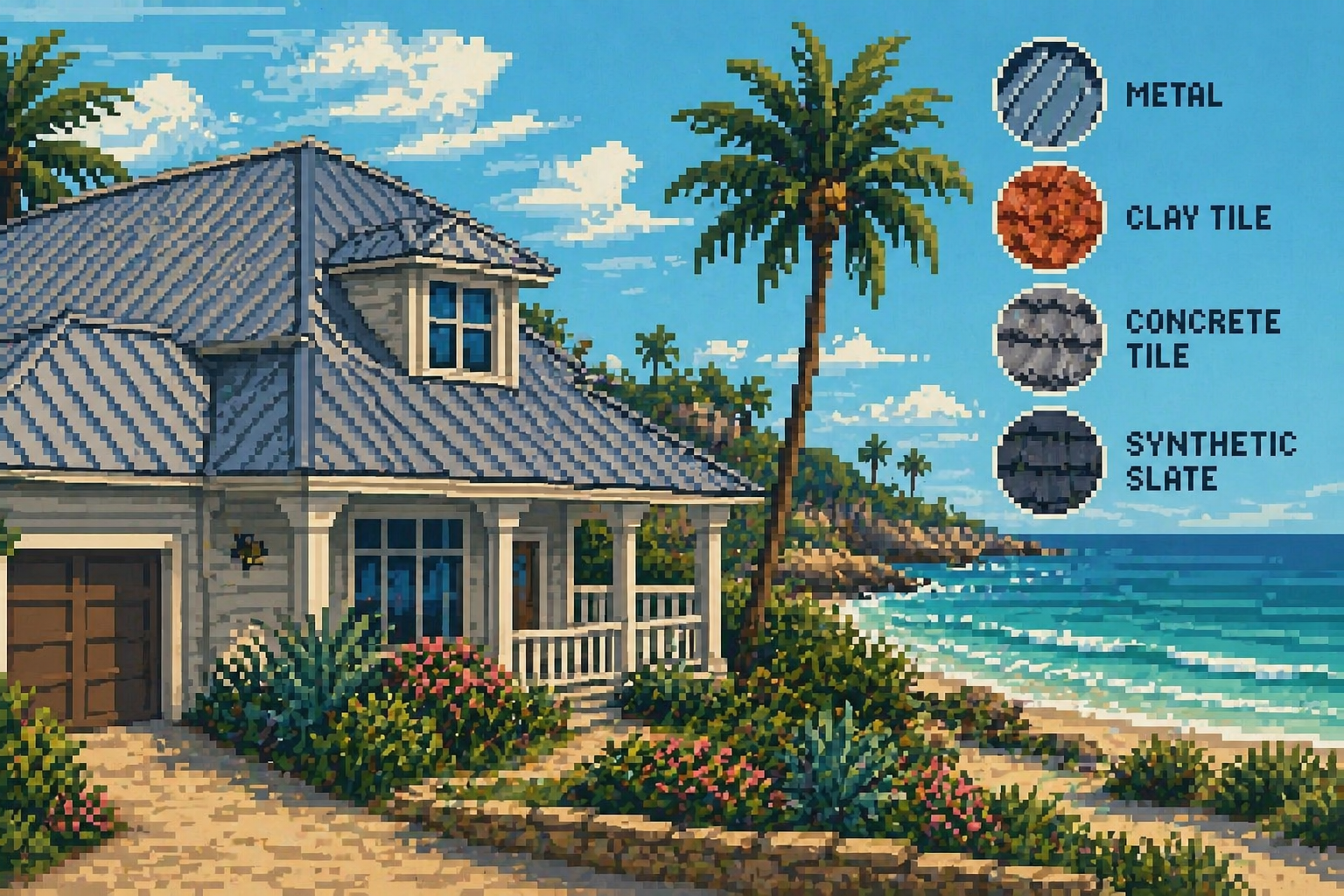
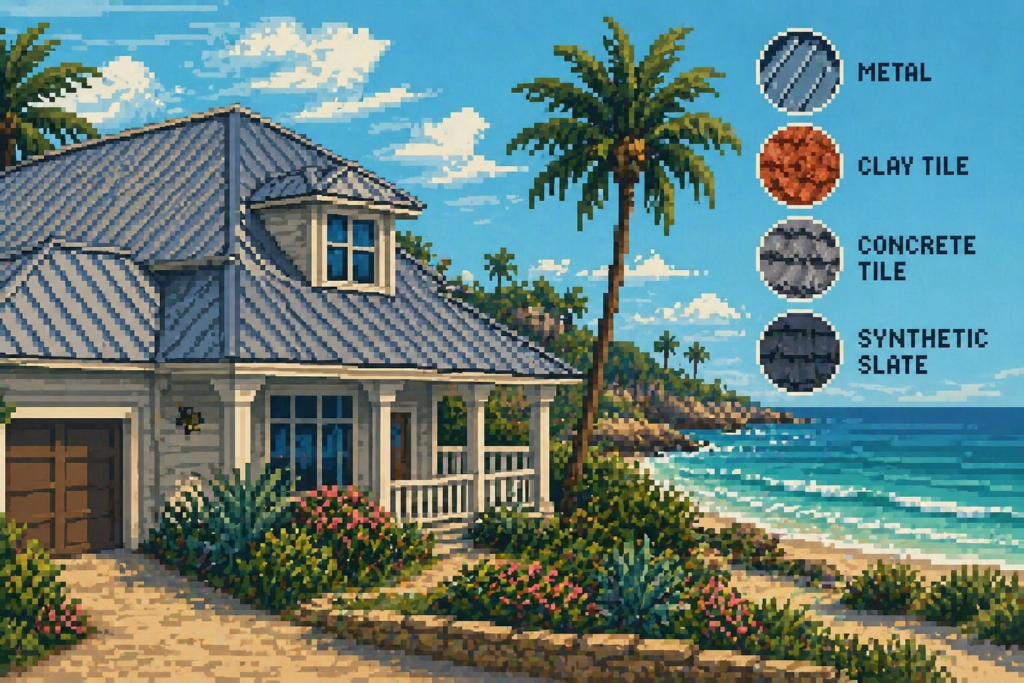
Living by the ocean brings beautiful views, fresh air, and even high winds that destroy common building materials. Selecting the right protection for a home near the water requires careful thought. A strong roof keeps the interior safe from humidity and storm surges.
The Coastal Climate Challenge
Salt air acts as a corrosive agent on most metal surfaces. Finding a roof that survives salt spray is tough. To choose the most durable one, look into residential and commercial roofing services that can install it for you. Quality installation and materials save homeowners money.
Wind speeds reach higher levels on the coast than they do inland. Structures need to withstand heavy gusts without losing shingles or panels. Pressure changes during a storm can pull materials right off the deck. Constant exposure to UV rays causes cheap materials to fade and crack.
Metal Roofing Durability
Aluminum and copper stand up well against the moisture found in sea air. Metal systems can reflect enough solar heat to lower cooling expenses by 10% to 25%. Lower bills can make a difference during the hot summer months. Metal is still the most popular choice for its strength and energy efficiency.
Steel requires a thick galvanized coating, as salt will eat through standard steel in just a few years. Aluminum is naturally resistant and does not need as much maintenance. It is lightweight and easy to install on existing frames. Most metal panels come with high wind ratings that protect against tropical storms.
Clay And Concrete Tiles
Tiles offer a classic look for Mediterranean or Spanish-style beach homes. A metal roof for a 2,000-square-foot house costs around $17,522 in 2026, and clay tiles can reach $29,417. The higher price reflects the labor and material quality needed for these heavy pieces.
Concrete is a cheaper alternative that still provides great protection. Both styles resist fire and insects effectively. The density of the tile provides a natural thermal barrier. Heat stays out during the day, and the house stays cooler.
Benefits Of Slate Materials
Natural stone provides a look that artificial products struggle to match. It is heavy and stays down when the wind picks up. Slate offers incredible longevity, sometimes lasting between 75 and 200 years. Owners rarely need to replace a stone roof in their lifetime.
Installation needs a reinforced frame to support the massive weight. Water cannot soak into the stone, which prevents freeze-thaw damage. Slate is fireproof and environmentally friendly. It comes from the earth and can be recycled at the end of its life.
Asphalt Shingles Performance
Asphalt is affordable and easy to install. Manufacturers now create coastal grades that handle higher wind speeds. Look for products with a Class H wind rating for the best results. These upgrades help the roof survive 150 mph gusts.
- Strips of high-strength adhesive keep shingles attached
- Granules protect the surface from intense UV rays
- Copper additives help prevent algae growth in shaded areas
Standard shingles might fail quickly in a salt-heavy environment. Upgrading to a premium version prevents frequent repairs. The initial cost is higher, but the shingles last much longer. Fiber cement mimics the look of wood shakes: it resists fire and does not rot like natural cedar.
Maintenance For Salt Air
Washing a roof removes salt buildup that eats away at coatings. Rinsing the surface once or twice a year extends the life of the materials. Check for loose fasteners after any major storm or high-wind event. Small leaks can cause major structural damage if left alone.
Professional inspections identify hidden problems before they become expensive. Keeping gutters clean prevents water from backing up under the edges. Clogged drains cause water to sit on the roof for too long. Moisture seeps into the wood underneath and causes rot.
Impact Ratings And Safety
Flying debris poses a risk during tropical storms and hurricanes. Materials with a Class 4 impact rating offer the best defense. Insurance companies may provide discounts for homes with high-grade protection. Spending more on quality now prevents stress when the weather turns bad.
Safety for the family inside remains the top priority. Modern technology allows for better testing and rating of every material. Choose products that have been tested in high-velocity hurricane zones, as these areas have the strictest building codes in the country. Following these standards keeps the home standing for a long time.
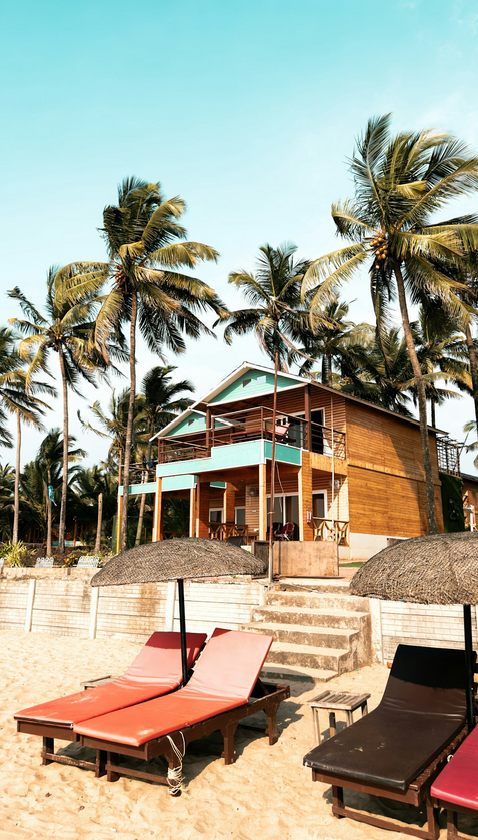
Choosing a roof for a beachfront property involves balancing style and survival. Each material offers different levels of protection against salt and wind. Investing in a durable system pays off through fewer repairs and lower energy costs. Take the time to compare options and pick the best fit for the local climate.