The Illusion of Permanence
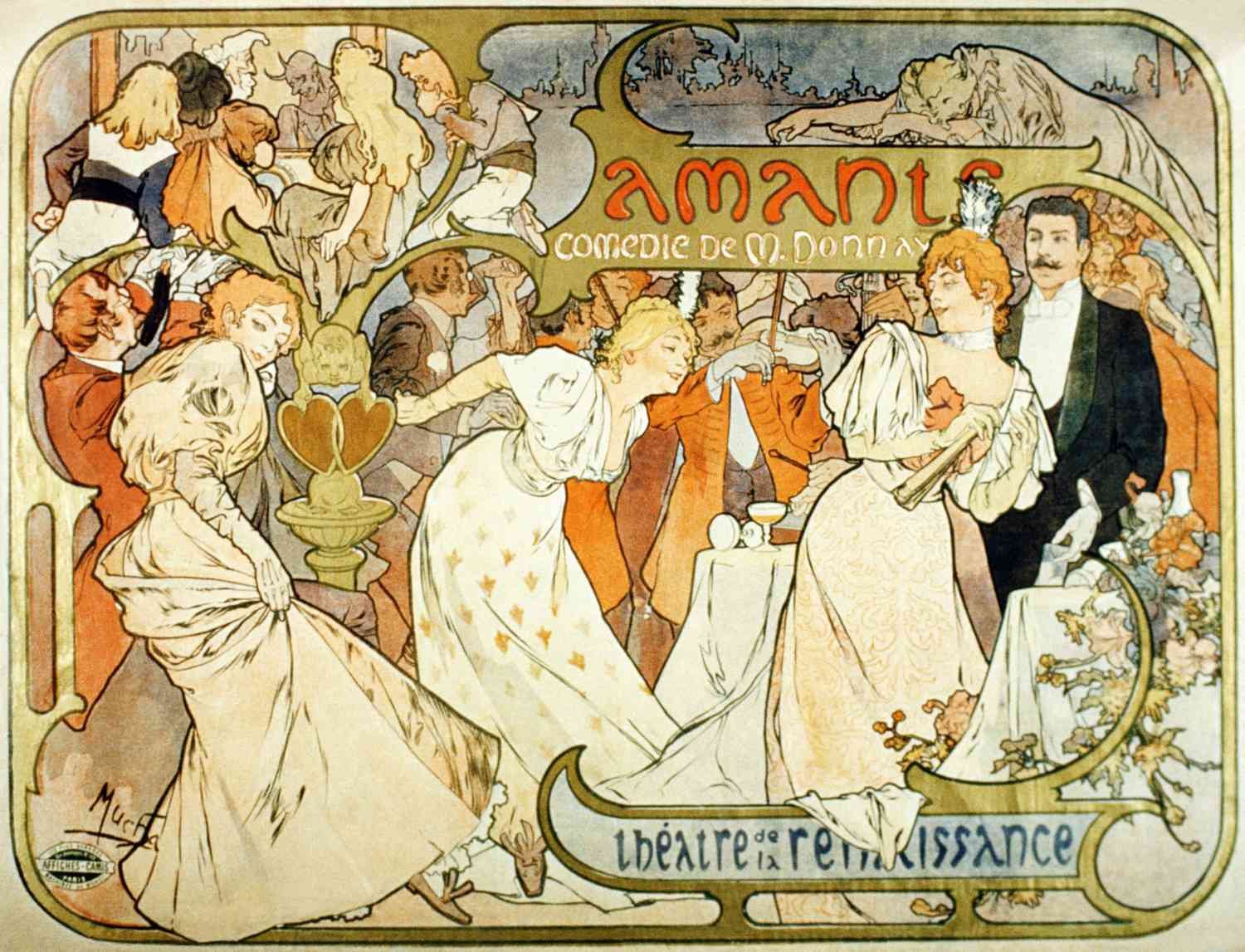
There is something almost theatrical about the Belle Époque. Not because it lacked sincerity, but because it believed too deeply in its own stability. Between roughly 1871 and 1914, Europe — and particularly Paris — entered a period of cultural confidence so complete that it began to resemble certainty.
Industry expanded. Cafés filled. Art flourished. Electricity illuminated the night not as necessity, but as spectacle. Everything appeared to move forward, and more importantly, to do so without consequence.
It is difficult, in retrospect, not to read this moment as a kind of collective miscalculation.
Paris as a Stage
If the Belle Époque had a capital, it was Paris — not merely as a city, but as an idea. A place where modern life could be performed, observed, and aestheticized.
The boulevards were not just streets; they were corridors of visibility. Cafés became spaces of both leisure and surveillance. To sit, to drink, to be seen — these were not passive activities, but subtle forms of participation in a larger cultural performance.

Artists responded accordingly. Figures like Henri de Toulouse-Lautrec captured the nightlife of Montmartre with a clarity that bordered on exposure. Dancers, drinkers, performers — all suspended in a world that felt vibrant, but not entirely stable.
This was not realism. It was awareness.
The Aesthetic of Comfort
The Belle Époque cultivated an environment in which beauty was not incidental, but expected. Architecture, fashion, interior design — all leaned toward refinement.
The emergence of Art Nouveau exemplified this tendency. Organic lines, flowing forms, decorative unity — an attempt to dissolve the boundary between art and life.
But beneath this elegance lay a more complicated structure.
Art Nouveau did not reject industrialization; it softened it. It transformed steel and glass into something that could be lived with. It made modernity appear natural.
And in doing so, it masked the extent to which the world had already changed.
Leisure as Identity
Perhaps the most distinctive feature of the Belle Époque was its relationship to leisure.
Time, once structured by necessity, began to open. Evenings extended. Entertainment diversified. The concept of free time — still a relatively new phenomenon for much of the population — became central to identity.
Cafés, theaters, cabarets, exhibitions — these were not simply activities. They were environments in which the self could be constructed.
To participate in culture was to exist within it.

And yet, this expansion of leisure was uneven. It belonged primarily to those who could afford it. The illusion of universal comfort concealed a reality of division.
Technology and the Gentle Shock of Progress
The Belle Époque was also a period of rapid technological advancement. Electricity, photography, early cinema — each introduced new ways of seeing and experiencing the world.
But unlike later technological revolutions, this one was received with a kind of optimism that now feels almost naive.
Light extended the day. Images captured time. Movement could be replayed.
There was little sense that these changes might destabilize perception itself.
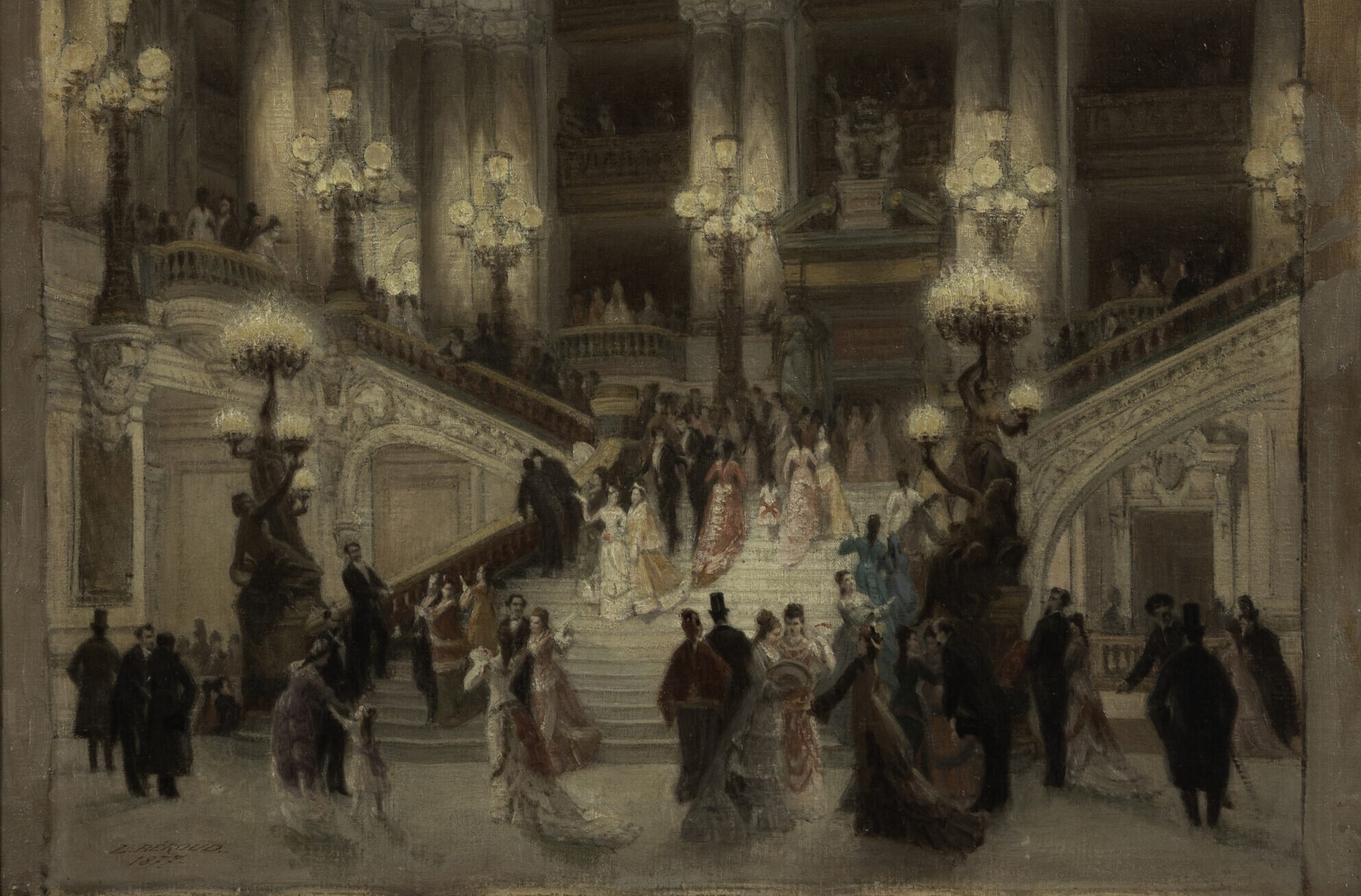
Instead, technology was integrated into daily life as enhancement, not disruption.
The Decorative Surface
One of the most striking aspects of the Belle Époque is its commitment to surface.
Everything appears finished. Polished. Composed.
Interiors were curated. Public spaces designed. Even everyday objects carried aesthetic intention.
This attention to surface was not superficial — it was structural.
It created a world in which appearance functioned as stability. If everything looked ordered, then perhaps it was.
A logic not entirely unlike the transformation of everyday imagery explored in Teacher Missed Her Students So She Knitted Tiny Dolls Representing All 23 Students In Her Class, where repetition and care produce a sense of emotional coherence — even when the underlying reality is more complex.
Beneath the Calm
For all its elegance, the Belle Époque was not without tension.
Political instability, social inequality, and shifting power structures persisted beneath the surface. The expansion of empires, the rise of nationalism, the reconfiguration of alliances — these were not peripheral developments.

They were central.
But they were not always visible.

The period’s greatest achievement — and perhaps its greatest failure — was its ability to maintain the appearance of continuity in the face of change.
The End That Was Always There
In 1914, the illusion collapsed.
The outbreak of World War I did not simply interrupt the Belle Époque; it revealed its fragility. What had appeared stable was, in fact, precarious. What had seemed permanent was temporary.
The world did not end. But it changed in ways that could not be reversed.
And in that shift, the Belle Époque became what it had always been: a moment, not a condition.
Afterimage
What remains of the Belle Époque is not its reality, but its image.
The cafés, the lights, the elegance — all preserved, repeated, aestheticized. A memory that feels more coherent than the period itself.
Perhaps this is its final irony.
A time so invested in appearance is remembered primarily through appearance.
A Quiet Lesson
The Belle Époque offers a lesson that feels uncomfortably relevant.
Stability is often a matter of perception. Beauty can coexist with fragility. And the most convincing illusions are those that do not appear to be illusions at all.
It is easy to believe in permanence — especially when everything around you seems to confirm it.
Until, inevitably, it doesn’t.