

Walking through a city feels like reading a story – one written in brick and glass. Every curve of a wall or slope of a roof serves a purpose that goes beyond just looking nice. People often forget that buildings are tools for living as much as they are works of art. Good design balances the way a space feels with how it actually works for the residents.
The Core Purpose of Modern Structures
Designing a space requires more than just picking out pretty colors or expensive materials. One industry publication suggests that modern design trends now focus on finding a middle ground between looking good and protecting the environment. Architects must think about how a room flows and how people move from 1 area to the next. These decisions change the way we experience a home or an office every day.
Integrity in Modern Infrastructure
Homeowners often overlook the technical requirements of a roof until a leak appears. Discussions around roofing standards, such as those highlighted by Owl Roofing, often focus on balancing aesthetic shingles with long-term weatherproofing. Understanding how slopes and materials interact helps create a lasting barrier against harsh weather. A sturdy roof keeps the rest of the design from falling apart during heavy storms.
Safety and comfort depend on the quality of the materials used during the initial build. Professionals look at the pitch of the wood and the type of sealant used to stop water. If the exterior fails, the interior design suffers from mold or structural rot. Proper maintenance at the start saves over $2000 in future repair costs. Every part of a house must work together to create a haven.
Energy and Efficiency in Construction
The way a building uses power is now a major part of the design process. Research indicates that buildings across the European Union consume about 40% of all energy used. This high number shows why architects try to make walls thicker and windows more efficient. Lowering the carbon footprint of a house starts with the very first sketch.
Sustainable Material Choices for the Future
Building for the future means thinking about where the materials come from and where they go. A design journal recently highlighted how solar panels and reclaimed wood are now standard parts of new construction. These choices show a commitment to keeping the earth healthy for the next generation. Here are a few ways builders are changing their methods:
- Recycling bricks from old factories to build new garden walls.
- Installing smart glass that tints itself when the sun gets too bright.
- Using local stone to reduce the pollution from shipping heavy loads.
- Adding living walls with plants that clean the air inside a lobby.
Experts in home design believe that the circular economy will lead to houses that owners can take apart and move. This method treats a house like a set of blocks that can be used again. This reduces the amount of waste that ends up in a local landfill. Every piece of a building should have a second life somewhere else.
Technology and Minimalist Forms
Computers are changing the way architects dream up new shapes for our cities. Recent findings show that using massive data sets helps architects build models that fit the way people actually live. Data tells designers where people gather and where they prefer to walk. This information leads to sidewalks that are wider and plazas that feel more welcoming.

Some buildings are even starting to move on their own to help the people inside. Forecasts for the next year suggest that kinetic walls will move in response to the sun or wind. A report on minimalist styles mentions that lightweight modular parts are currently leading the market. Modern design focuses on making every square foot count for the person living there.
Preserving the Identity of Shared Spaces
New designs must still respect the history of the land and the people who live there. A study on campus life found that old buildings help students feel like they belong to a long history. Keeping a historic facade and updating the inside is a popular way to save heritage – an approach that practices like Crush Architecture Sydney have built entire methodologies around, treating the craftsmanship and cultural detail of existing homes as the inspiration for what comes next. It connects the past with the future in a way that feels natural.
Every neighborhood has a unique feeling that comes from its specific mix of styles. Mixing modern glass with old brick creates a visual conversation across the street. This variety makes walking through a city more interesting for everyone. Architects try to match the scale of new projects to existing homes nearby.
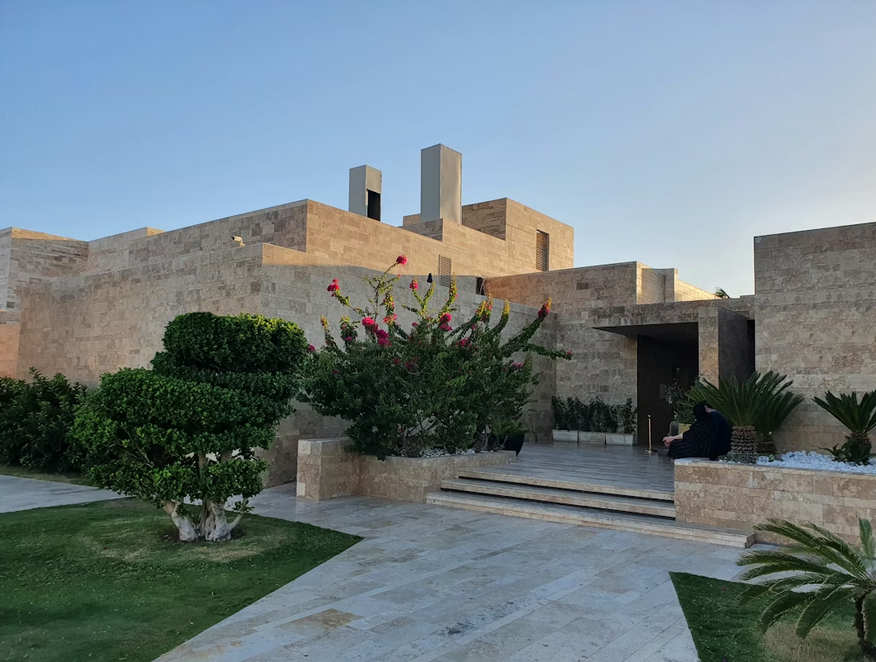
Our surroundings influence our moods and our productivity in ways we rarely notice. A well-designed room can make a person feel calm and focused after a long day of work. We are all part of a larger project to make the world more beautiful and functional. Paying attention to the small details of a building helps us appreciate the skill of the creators.