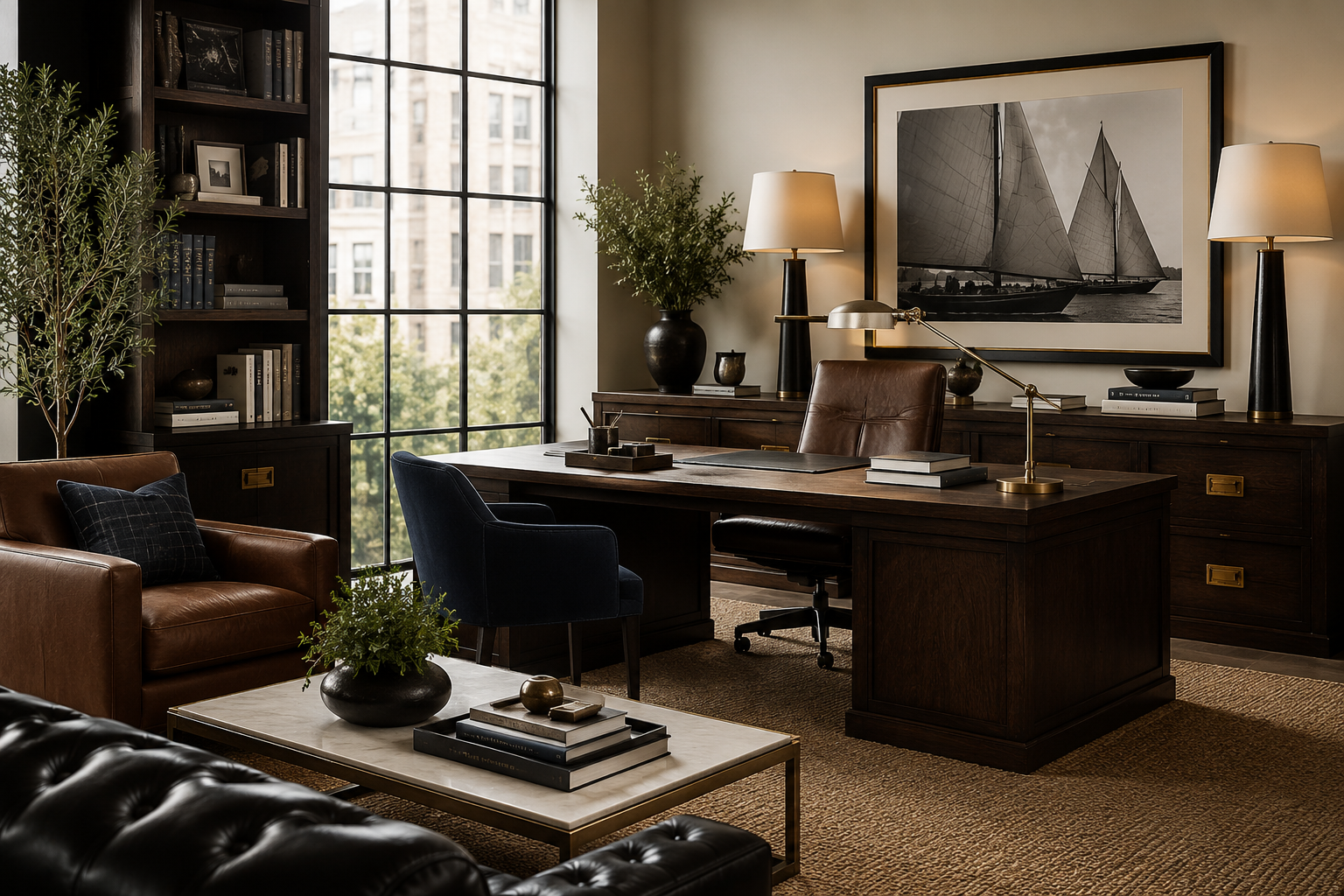
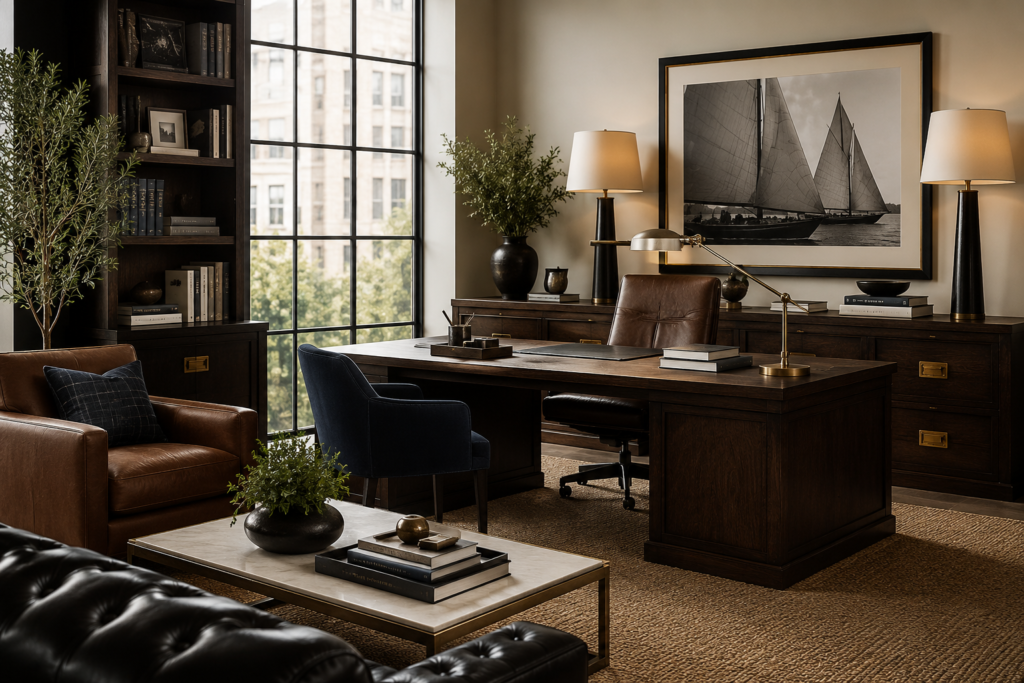
Creating a modern office space that is both functional and inspiring presents a significant challenge for businesses seeking to support diverse work styles. Today’s employees expect environments that accommodate focused individual work, collaborative brainstorming, informal discussions, and even moments of rest and recharge. A thoughtfully designed office does more than house a team; it shapes workflow efficiency, promotes employee wellbeing, and reflects the organization’s values and culture. Understanding the team’s specific needs and observing workflow patterns is essential for creating an environment where both people and business can thrive.
Effective office design requires careful consideration of space planning, ergonomics, technology, and the overall employee experience. Each decision—from the placement of desks to lighting choices—impacts productivity, creativity, and satisfaction. By designing spaces that respond to real needs while remaining adaptable for future growth, organizations can cultivate work environments that are not only functional but also motivating and supportive.
Rethinking Purpose: Define How the Space Will Be Used
A successful modern office begins with understanding its purpose. Rather than simply arranging desks in rows, organizations need to analyze how teams operate and the types of tasks they perform. Modern offices typically combine areas for focused individual work, collaborative projects, meetings, and casual social interactions, allowing employees to seamlessly transition between modes of work.
Conducting a thorough needs assessment with team members and department leads can uncover key insights. Are employees struggling with a lack of quiet areas? Is there high demand for meeting rooms or shared equipment? Gathering this information ensures that zones for collaboration, concentration, and socializing are strategically placed to enhance workflow and minimize distractions.
Planning for the future is another crucial aspect of purpose-driven design. Businesses evolve, teams grow, and the nature of work changes over time. Modular furniture, adaptable layouts, and multi-functional spaces allow an office to accommodate these shifts without costly renovations. This forward-looking approach ensures that the office remains functional and relevant as organizational needs evolve.
Prioritize Human Comfort and Ergonomics
Human comfort is foundational to a functional office. Ergonomic furniture, appropriate lighting, and a well-regulated climate all contribute to employee well-being and productivity. Chairs with adjustable lumbar support and desks with height flexibility help reduce strain during long workdays, while standing options allow employees to vary their posture and stay energized.
Lighting and acoustics play an equally important role. Maximizing natural light enhances alertness and mood, while task lighting supports detailed work without glare. Acoustic solutions, such as sound-absorbing panels and strategic spatial layouts, minimize noise distractions and enable focus. Indoor plants and natural materials further enhance the environment, improving air quality and fostering a sense of calm.
Comfort extends beyond furniture and lighting. A well-maintained HVAC system, optimal temperature control, and good indoor air quality create a healthy atmosphere where employees can thrive. Attention to these details demonstrates a commitment to employee well-being, which can increase engagement, reduce absenteeism, and support long-term productivity.
Balance Collaboration and Privacy
Modern offices must balance open, collaborative areas with spaces that allow for privacy and focused work. Open layouts encourage teamwork, creativity, and spontaneous idea-sharing. Movable furniture, flexible seating arrangements, and writable surfaces support dynamic group interactions and foster a sense of community.
However, collaboration zones alone are not enough. Quiet areas such as phone booths, small meeting rooms, and focus pods are essential for confidential discussions, virtual meetings, and tasks that require deep concentration. The accessibility and ease of use of these spaces directly impact how effectively employees can manage both collaborative and individual work.
Providing a variety of spatial typologies empowers employees to select the most suitable environment for each task. While some thrive in lively collaborative hubs, others may require a secluded corner to concentrate. The modern office is defined by choice and flexibility, accommodating diverse working styles and maximizing overall productivity.

Design for Flexibility and Select Quality Furniture
Flexibility is a defining characteristic of contemporary office design. Modular furniture, movable partitions, and adaptable layouts allow spaces to evolve alongside organizational needs. Teams can reconfigure areas for projects, hybrid work arrangements, or company growth without requiring expensive renovations.
Technology infrastructure must support this adaptability. Strategically placed power outlets, data ports, and strong wireless connectivity allow employees to switch effortlessly between individual workstations, group sessions, and virtual meetings. Integrated storage solutions keep the workspace organized, which simplifies reconfiguration and ensures a tidy, efficient environment.
Choosing quality furniture reinforces both comfort and functionality. Durable, ergonomically designed desks, chairs, and collaborative pieces improve usability while supporting employee health. Reliable suppliers, such as https://www.officefurniture2go.com/, offer modern furniture solutions that combine practicality with style. Investing in well-designed furnishings creates an office that is welcoming, professional, and equipped to support employees effectively.
Conclusion
Designing a functional modern office space is a strategic endeavor that requires attention to both human and operational needs. By clarifying the purpose of each area, prioritizing ergonomics, balancing collaboration with privacy, and selecting furniture and technology that support flexibility, organizations can create environments that improve productivity and enhance employee satisfaction. Thoughtful office design communicates an organization’s values, supports its culture, and fosters an atmosphere where employees can do their best work.
A well-designed office is more than a physical space—it is a catalyst for efficiency, creativity, and engagement. Investing in a functional, adaptable, and human-centered environment today ensures that your workspace can grow with your team, enabling long-term success and a positive employee experience. With deliberate planning and attention to detail, a modern office becomes an asset that contributes directly to both organizational performance and workplace well-being.