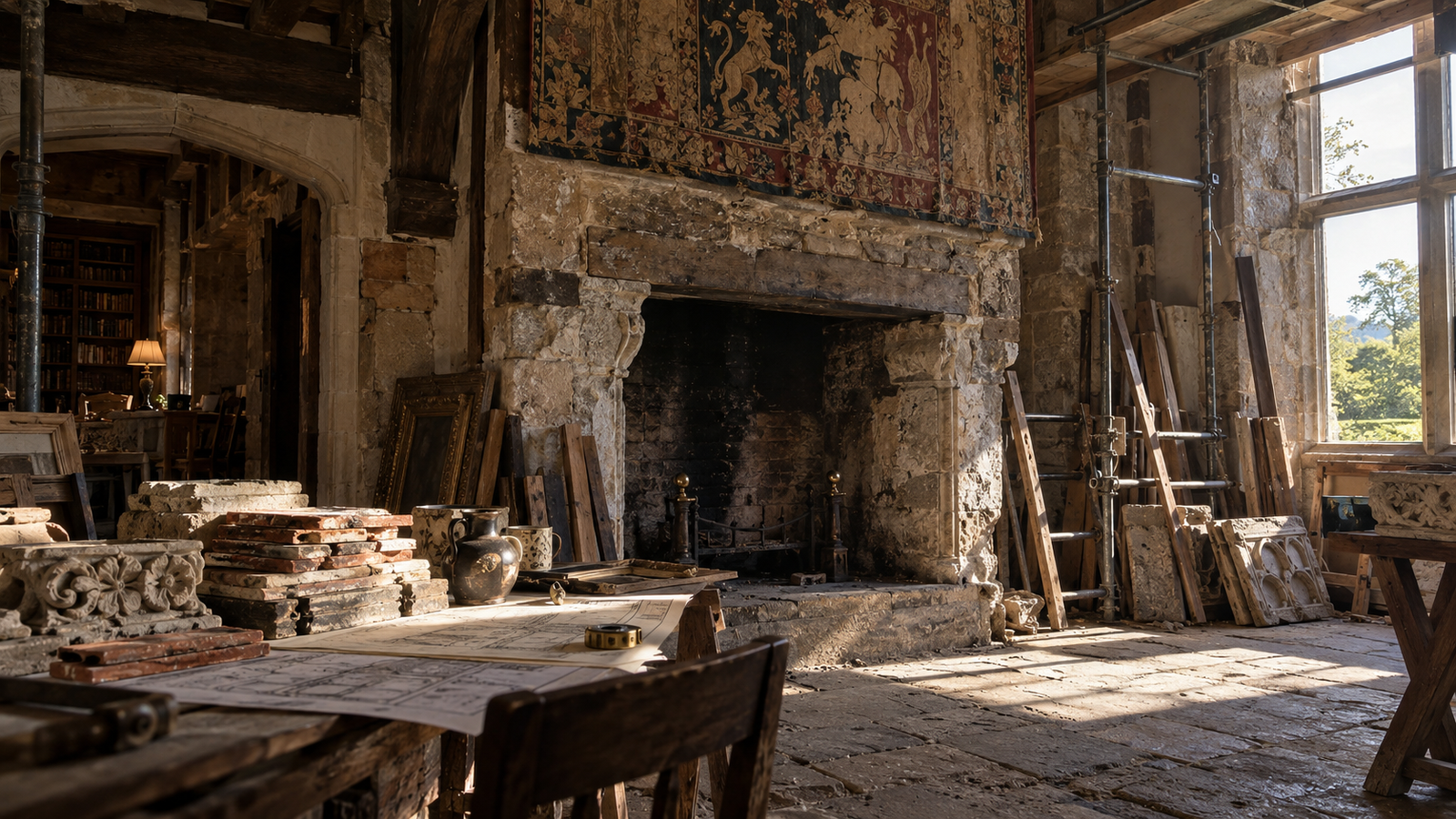
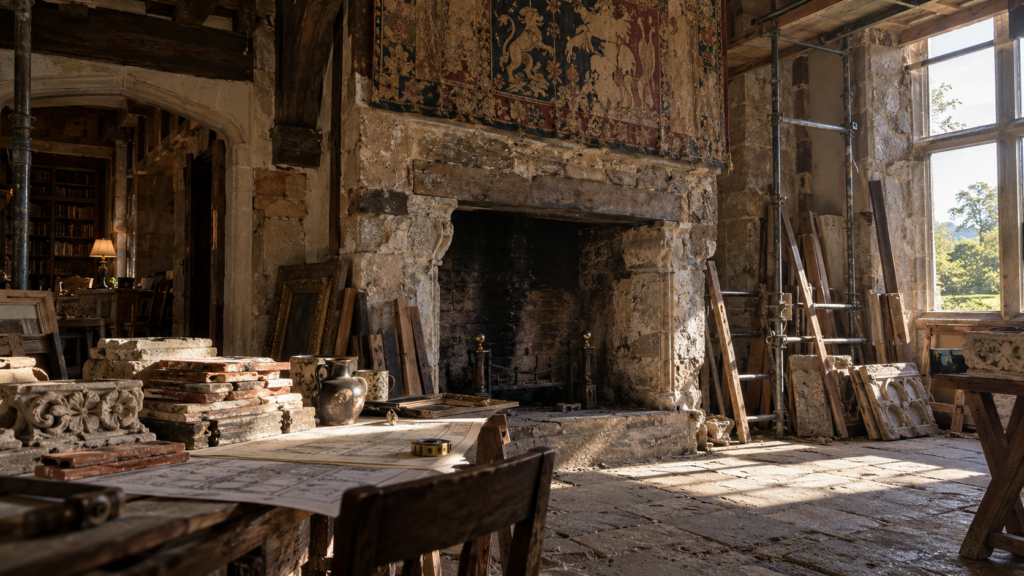
I know the feeling. You walk through a dusty yard off some industrial backroad, spot a heavy five-panel door leaning against a stack of brick, and the tag says seventy-five bucks. You run the mental math right there on the gravel: a decent solid-core door at a supply yard is three times that, and it looks like molded plastic. You think you just stole something. Then you get it home, carry it inside, and reality hits.
Yard tags are a trap. They aren’t the price of the material; they’re just an entry ticket to two straight weekends of custom carpentry, ruined tools, and hunting down parts nobody has manufactured since the Eisenhower administration. By the time that antique actually swings shut inside a modern drywall opening, you haven’t saved a dime. You’ve just paid contractor prices in labor and headaches.
The Dimension Problem
Modern construction is boring, but it works because the numbers never lie. Wall studs sit sixteen inches on center. Drywall is half an inch thick. Doors come in predictable widths, thirty, thirty-two, thirty-six inches. You buy a pre-hung unit, level the hinge side, shoot eight trim nails through the jamb, and you’re eating lunch twenty minutes later.
Carpenters in 1910 didn’t have to care about national supply chains. They framed every opening to fit whatever raw lumber came off the local saw mill that week.
Get that bargain door home and put a tape across it. One side is thirty-one and a quarter, the bottom is thirty-one and a half, and the whole slab rakes out of square by almost half an inch because a house settled somewhere in 1940. It won’t drop into a stock frame. You can’t just shim it. You have to buy raw jamb stock, rip it on a table saw to match the weird depth of your plaster, and custom-chisel every hinge pocket by hand.
If it’s two inches too tall for your rough opening, good luck. You can try trimming the rails with a circular saw, but on an old door, that usually cuts straight through the mortise-and-tenon joints, leaving the corner loose in your hands. The alternative? Rip down your drywall, cut through the 2×4 header above the frame, jack the framing up, re-nail it, and patch plaster. Your cheap door just turned into a framing project before you even hang a knob.
Old Paint, Rusty Nails, and Trashed Blades
That flaking, chalky texture everybody loves on Pinterest is a literal biohazard.
If a piece of architectural trim was painted before 1978, it has lead in it. Probably several thick coats. That means you cannot take an orbital sander to it in an attached garage unless you want toxic dust settling on every surface in your house. Scraping by hand takes hours of breathing through a respirator while peeling gummy chemical stripper into an aluminum tray. If you give up and pay a local shop to dip it in a caustic tank, that’s two to three hundred dollars gone right there.
Bare wood isn’t much friendlier. Old-growth heart pine and structural beams pulled out of warehouses look gorgeous, but they’ve spent a century collecting embedded grit, masonry sand, and snapped-off iron nails.
Run one salvaged plank through your planer or drop a miter saw blade onto it, and you’ll find out immediately. You hit a rusted square-head nail you couldn’t see under the grain, get a bright orange spark, and take a chunk out of a sixty-dollar carbide blade. What should have been a five-minute cut turns into a dead stop, a wrecked tool, and a thirty-minute drive to buy a replacement blade.
Moving Dead Weight
When you buy new materials from a lumber yard, an eighteen-wheeler pulls up to the house, the driver drops the pallet on your driveway with a forklift, and he leaves.
When you buy salvage, you are the forklift.
Old materials are brutally heavy. A hand-carved marble mantel weighs four hundred pounds. A pair of solid oak exterior doors will take two grown men just to drag across the bed of a truck. The wood is dense, the cast iron is brittle, and the old wavy glass panes will crack the moment your truck hits a pothole if you don’t wrap them in moving blankets and tie them down properly.
You spend days hauling timber, radiators, and odd stone blocks across county lines, which turns your vehicle into a rolling cash incinerator. That fuel burn adds up so fast that taking five minutes for a quick BP gas credit card application at least takes a few cents off the pump price on runs you can’t dodge anyway. It won’t make an old pine beam any lighter, but trimming down the fuel receipt keeps routine hauling trips from quietly eating the money you budgeted for finishes.
Obsolete Hardware and Broken Plumbing
The small parts on historic fixtures were built by foundries that went out of business before your parents were born.

Pick up an antique interior door with an empty mortise pocket cut into the edge. Modern tubular latches won’t fit into that hollow cavity; the hole is too wide, and there’s no wood for the latch screws to bite into. You either spend a Saturday carving tiny hardwood blocks to glue into the opening, or you go hunting for original parts. Working iron mortise boxes, matching brass backplates, and original keys aren’t scrap anymore; they’re collector items. A single working antique latch mechanism from a dealer will easily run you more than a brand-new, top-tier Schlage lock from the shelf.
Plumbing fixtures are even worse. A cast-iron clawfoot tub sitting in the grass behind a barn looks incredible until your plumber actually looks at the waste-and-overflow hole.
Old tubs don’t match modern PVC drain kits. The drain holes are smaller, the angles are off, and the faucet holes are spaced at odd widths that won’t accept a standard mixing valve. To hook it up without flooding the subfloor, you’re stuck ordering custom-machined brass conversion fittings online. And if the porcelain has dull grey mineral stains or chipped enamel around the drain? Professional resurfacing tacks on another four hundred dollars just so you can take a bath without scrubbing rust flakes off your skin.
Conclusion
None of this means you shouldn’t use reclaimed materials. Old-growth timber has a ring density and rich color that fast-growth farm pine will never touch. Hand-carved limestone and vintage ironwork carry actual weight, history, and craft into a room.
The mistake is pretending it’s a budget hack.
If you want salvage in your home, pick one single centerpiece, a front door, a fireplace mantel, or a heavy wood beam across the kitchen, and build the modern walls around its exact dimensions from the very beginning. Treat it like a custom, high-end art piece. Budget for the extra carpentry, expect the weird hardware, and don’t ever assume that ninety-dollar price tag is the real cost of getting it into the room.