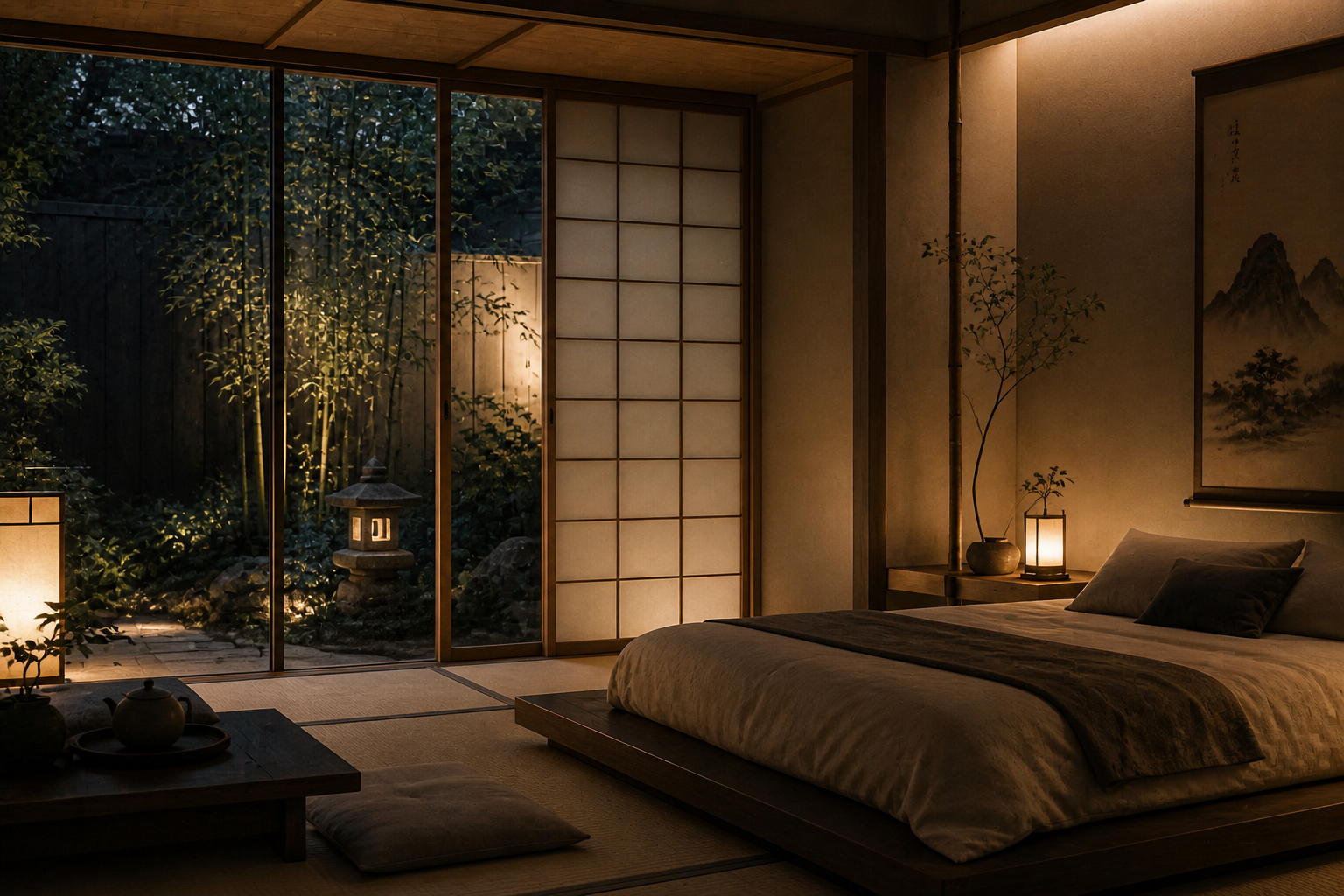
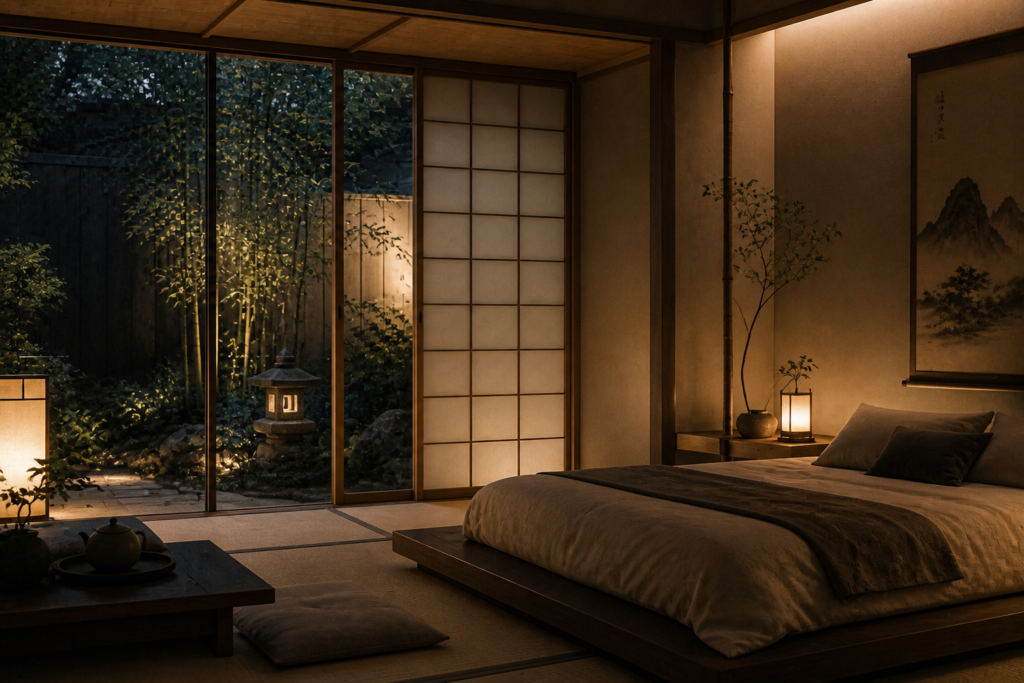
Design choices impact your daily mood and mental health more than most people realize. Your bedroom serves as the primary location for rest, but its layout often gets overlooked during busy weeks. Transforming this space into a personal sanctuary helps the mind disengage from external stress.
The Science of Restorative Spaces
Your brain reacts to every object and color within its sightline. A recent article noted that interior design choices have a documented impact on mental wellbeing, with modern trends focusing on nature-led rooms. These spaces act as a buffer against the noise of a digital world. Small changes to furniture or layout shift your perspective from exhaustion to ease before you even lie down.
This design philosophy focuses on how physical surroundings influence the nervous system. When a room feels crowded, your brain stays in a high state of alertness. Creating a sense of flow allows the body to recognize it is safe to power down.
Decluttering the Mental Workspace
Clutter acts as a silent thief of peace and focus. Research by the Journal of Neuroscience found that physical clutter competes for your attention, making it harder to process information. Clearing surfaces helps the brain enter a resting state much faster. Moving work-related items or piles of laundry out of your line of sight is a strong start.
Refreshing your surroundings for a new season is a great way to support this process. Using spring bedroom tips from Panda London as inspiration, simple updates like switching to lighter bedding, choosing soft neutral tones, and allowing more natural light into the room can create a brighter and more breathable atmosphere. Storing away heavy winter layers and using breathable fabrics such as bamboo, linen, or cotton can also make the space feel calmer and more comfortable. These small changes help your room remain a place of recovery rather than another source of chores, while organized shelves and clear nightstands give the eyes a place to rest.
Color Palettes for Deeper Sleep
Color is a powerful tool for regulating your nervous system. Soft blues and muted greens often trigger a relaxation response in the body. Avoid using bright neon or high-contrast patterns that keep the brain alert. Choose shades that mimic the natural world to signal that the day has ended.
Earth tones like clay, sand, and stone provide a grounding effect that feels stable and secure. These colors do not demand attention, which allows your mind to drift toward sleep. If you prefer darker rooms, deep charcoal or navy can create a cocoon-like feeling. The goal is to avoid visual noise that keeps your thoughts racing at midnight.
Lighting and Circadian Rhythms
Natural light dictates how we wake and sleep throughout the year. During the day, open your curtains to let in as much sunlight as possible. This helps set your internal clock so you feel tired at the correct time. When evening arrives, switch to warm, low-level lamps to prepare for bed.
Avoiding harsh overhead lights helps your body produce the hormones needed for a full night of rest. Dimmer switches are excellent tools for transition periods in the morning and night. If your room gets too much street light, consider blackout curtains to keep the space dark. A dark room is one of the most effective ways to maintain deep sleep cycles.
Texture and Physical Comfort
The way a room feels to the touch is just as important as how it looks. Mixing different fabrics adds a sense of luxury and warmth to your bed. Layering textures creates a visual depth that makes a room feel finished and cozy.
- Cotton sheets provide a crisp and cool feel for warmer nights.
- Wool or heavy knits offer weight and security during colder months.
- Smooth wood surfaces bring a grounding element to bedside tables.

Investing in these tactile elements changes how you perceive your bed. Soft rugs underfoot prevent a cold shock to the system when you wake up. These small physical details contribute to a total sense of comfort.
Biophilic Connections to Nature
Bringing the outdoors inside is a proven way to lower cortisol levels. Even a single potted plant can improve the air quality and visual appeal of your corner. Natural materials like stone or timber help bridge the gap between your home and the environment. This connection reminds the subconscious of a slower, more natural pace of life.
Using organic shapes rather than sharp, industrial lines can also soften the room. Look for furniture with rounded edges or natural grain patterns. Nature-inspired art or botanical prints serve as visual anchors for relaxation. These elements work together to create a space that feels alive yet peaceful.

The journey to a better night of sleep starts with the four walls around you. By treating your bedroom as a dedicated sanctuary, you invest in your long-term health and happiness. Every small design choice works together to build a foundation for renewal. When your environment is balanced, your mind can find the stillness it needs to face a new day.