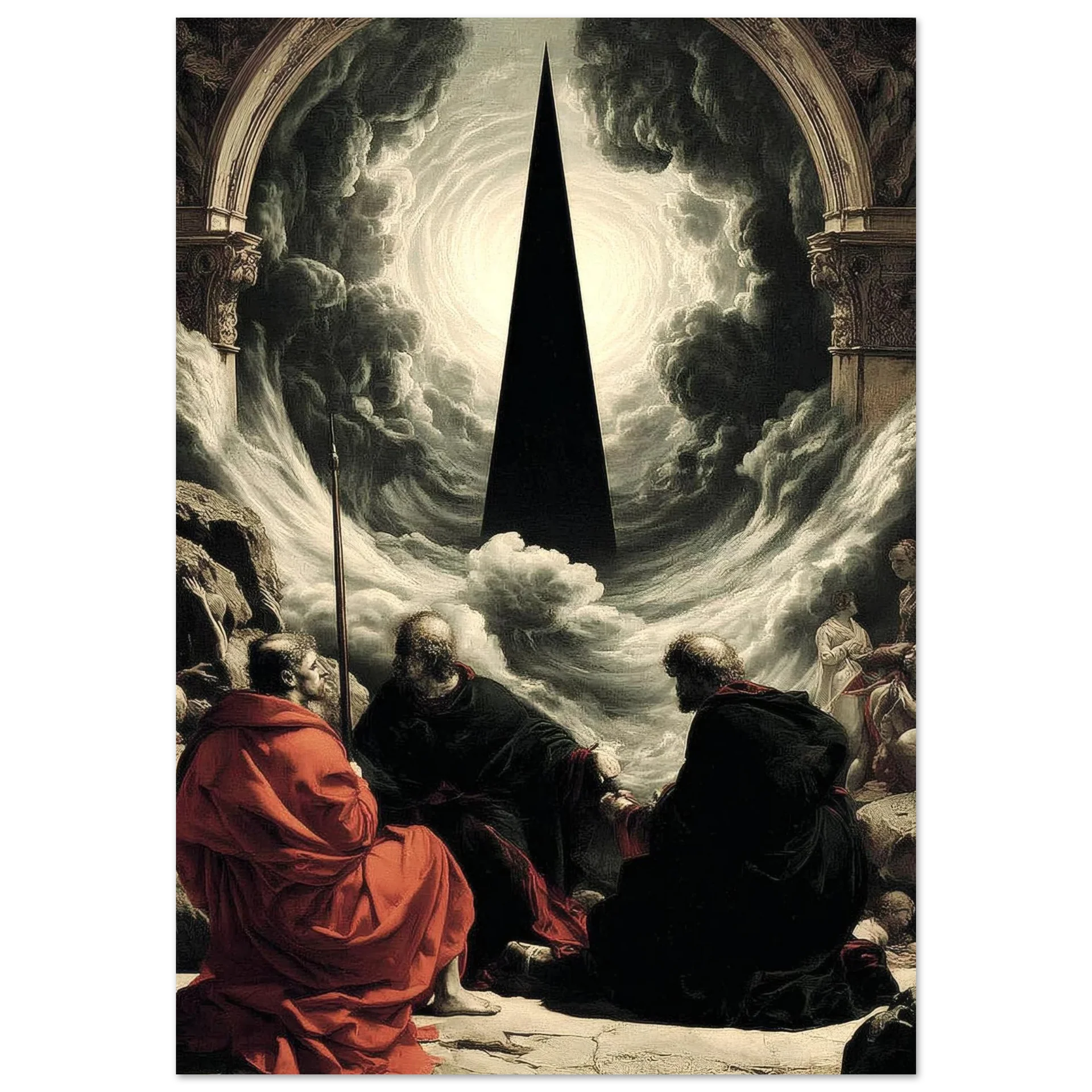
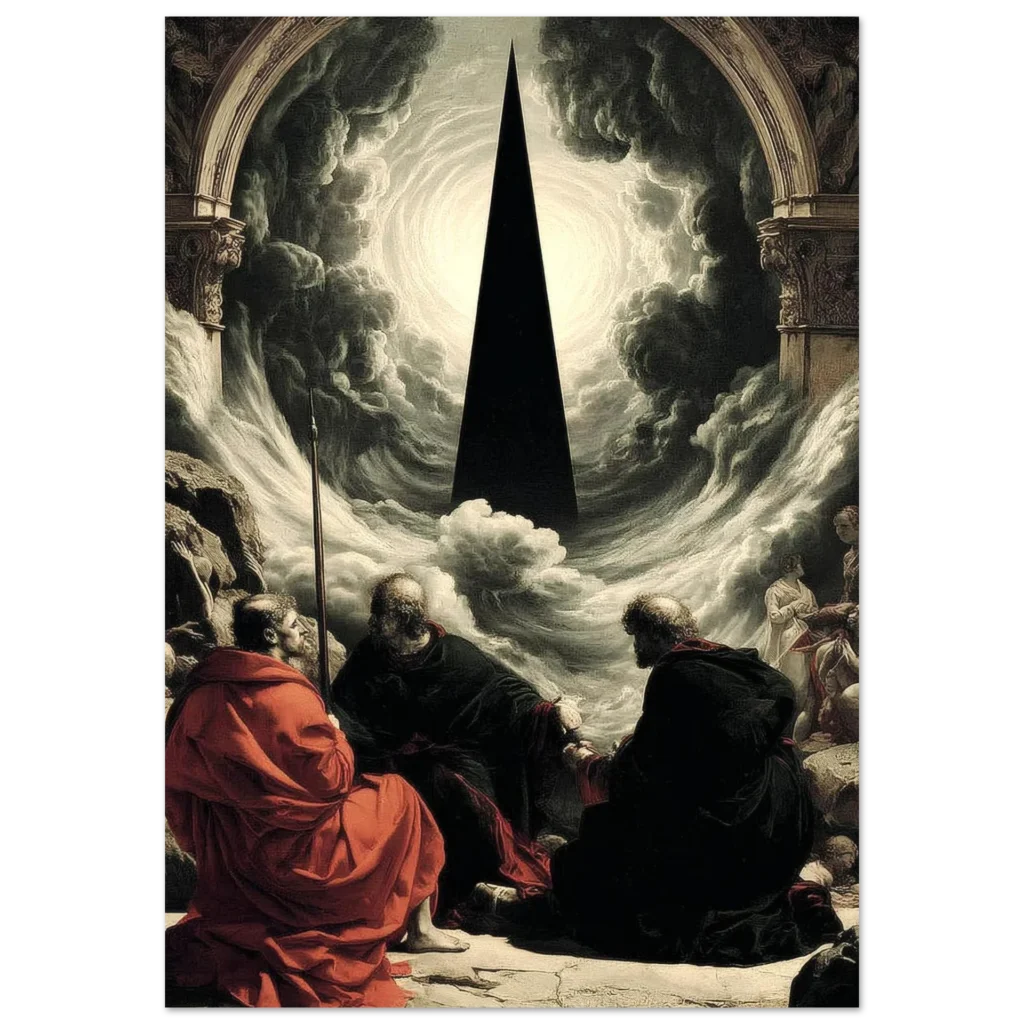
There is a particular kind of darkness that contemporary digital art often mistakes for depth. Endless black backgrounds, synthetic gothic imagery, algorithmic melancholy — aesthetics engineered to appear profound while remaining emotionally frictionless.
The work of Mauro De Donatis avoids this trap almost entirely.
Not because it abandons darkness, but because it treats darkness as language rather than decoration.
Through his evolving project Seneh.xyz, De Donatis constructs a visual environment that feels less like a portfolio and more like an unstable ritual space — part digital cathedral, part AI dream archive, part speculative mythology. His imagery drifts between sacred symbolism, biomechanical forms, occult structures, and fractured visions that seem excavated from somewhere between memory and machine consciousness.
Beyond “AI Art”
Reducing De Donatis’ work to “AI-generated imagery” misses the point entirely.
Yes, artificial intelligence plays a central role in his process. But the interesting aspect is not the tool itself — it is the atmosphere constructed through it. On his “Who I Am” page, De Donatis describes Seneh as “a full-time exploration of art and technology,” where AI becomes “an instrument of visual alchemy.”
That phrasing matters.
Alchemy is transformation. Not automation.
And transformation is precisely what his work performs. Symbols dissolve into anatomy. Architectural structures appear partially organic. Human forms emerge and decay simultaneously. The images feel less designed than summoned.
The Return of the Sacred Image
One of the most compelling aspects of Seneh.xyz is its relationship to sacred aesthetics.
Religious visual language has always relied on atmosphere:
- light emerging from darkness
- symbolic repetition
- inaccessible geometry
- bodies suspended between suffering and transcendence
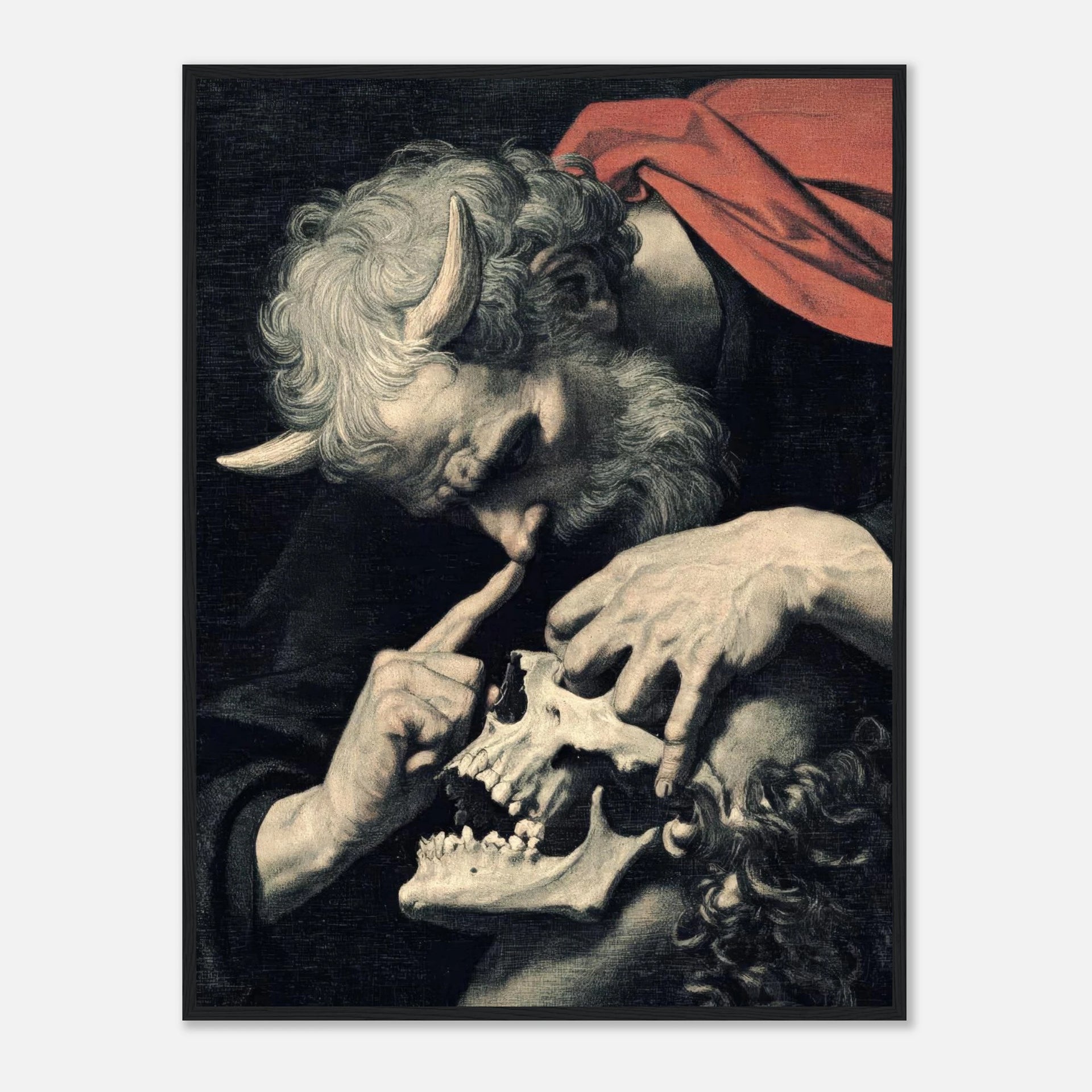
De Donatis reactivates these structures, but removes them from stable theological systems. What remains is not religion itself, but its emotional architecture.
The viewer recognizes the sensation before recognizing the symbols.
This creates an unusual tension: the work feels spiritually charged without belonging to any identifiable spiritual tradition.
The Aesthetic of the Threshold
Seneh repeatedly references thresholds:
- between sacred and profane
- human and artificial
- beauty and distortion
- memory and hallucination
De Donatis himself describes the project as “a threshold, a space where art becomes experience.”
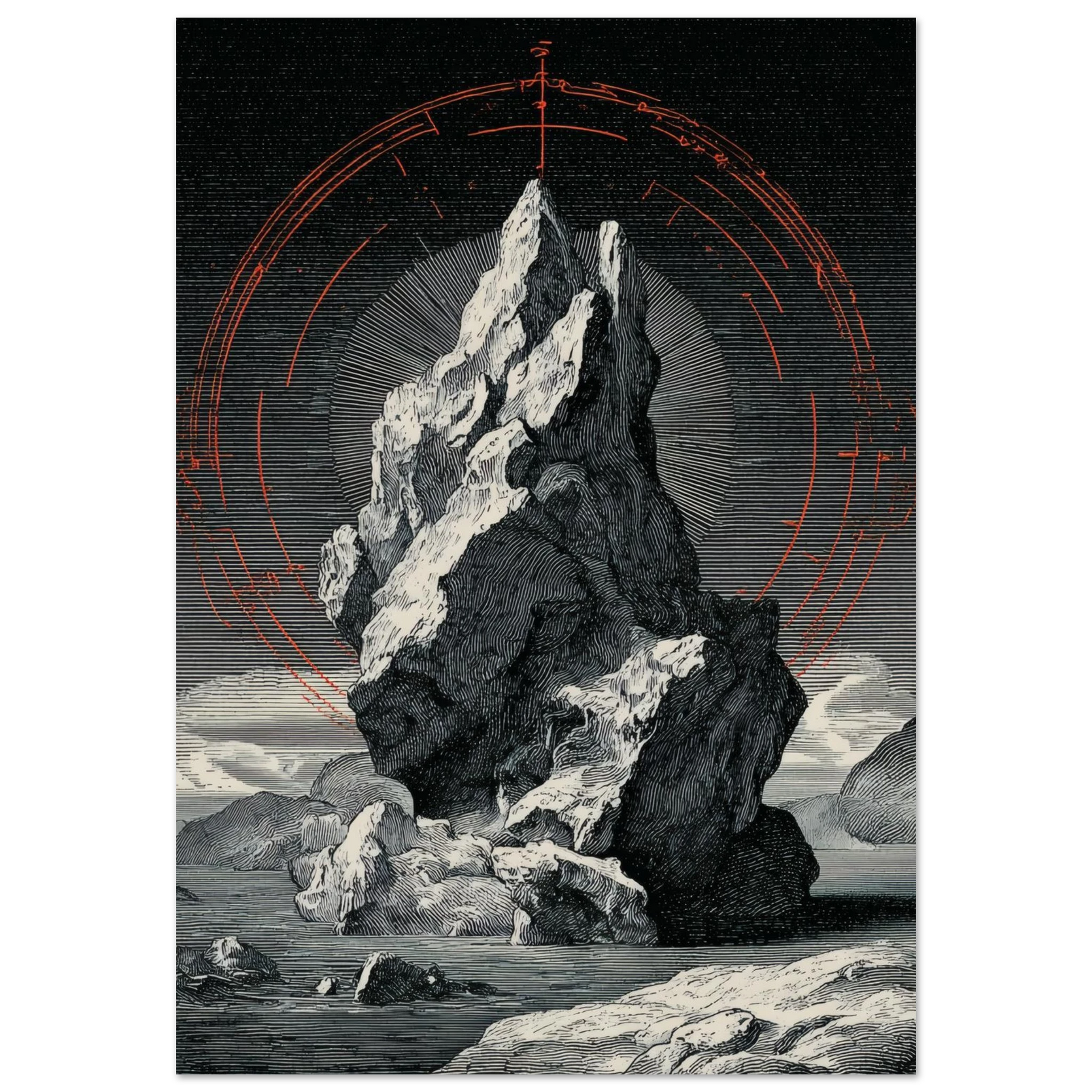
This idea of the threshold is central to the visual experience of the work. The images rarely resolve completely. Figures emerge partially obscured. Faces dissolve into ornament. Light behaves unnaturally.
Nothing fully stabilizes.
And perhaps that instability is the point.
Gothic Futurism Without Nostalgia
Unlike much contemporary dark aesthetics, Seneh.xyz does not rely heavily on retro nostalgia. There are echoes of medieval iconography, baroque excess, industrial futurism — but they are recombined into something difficult to historicize.
The work feels ancient and synthetic simultaneously.
This temporal ambiguity is one of its greatest strengths.
The imagery does not appear to belong to a specific era. It feels extracted from a speculative future that has already inherited the ruins of older civilizations.
The Controlled Chaos of Detail
De Donatis’ compositions are obsessively detailed.
At first glance, the works appear chaotic — dense textures, layered symbols, impossible structures. But prolonged viewing reveals extraordinary control beneath the visual overload.
This balance between excess and precision gives the images their hypnotic quality.
One can trace this attention to experimental structure back to De Donatis’ earlier background in graphic and typographic design, where he developed intricate generative type systems such as VX, Nebula, and Tangle.
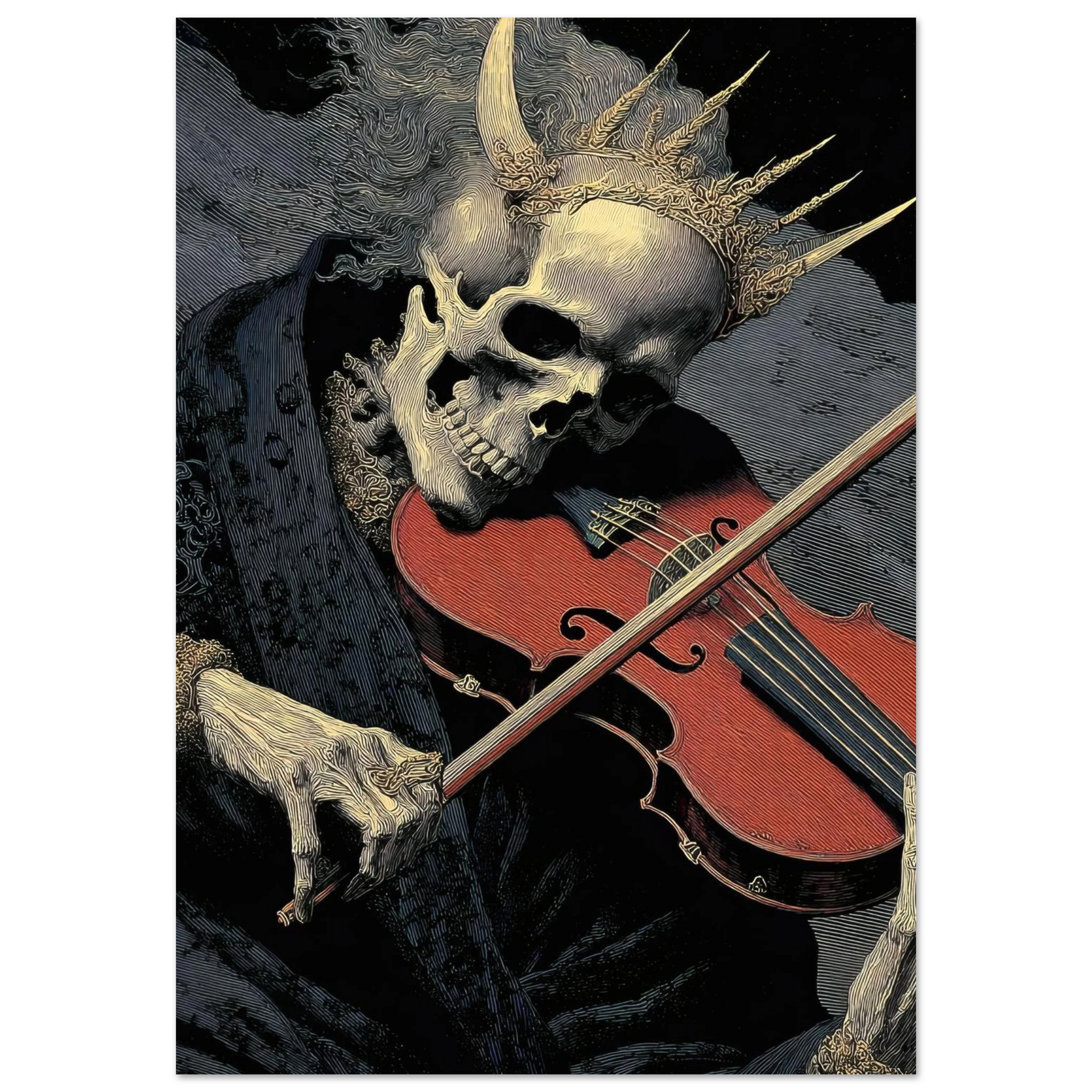
Typography, after all, is also architecture.
And Seneh’s images often behave like unreadable alphabets.
Merchandise as Artifact
Interestingly, Seneh.xyz does not separate artwork from object production.
The project extends into:
- framed prints
- apparel
- collectible pieces
But unlike conventional merchandise culture, these products are framed almost as relics or fragments from the same fictional universe. The language surrounding them — “Obsidian Reliquary,” “Anima Ignea,” “Animalia Arcana” — reinforces this ritualistic atmosphere.
The result feels less commercial than ceremonial.
Or at least, commercially ceremonial.
The Digital Occult
There is a broader cultural reason why work like this resonates now.
Contemporary digital life increasingly feels abstract, invisible, and difficult to emotionally process. Algorithms shape perception. Artificial intelligence generates images faster than interpretation can stabilize them. Meaning itself becomes unstable.
Artists like De Donatis respond to this condition not by simplifying technology, but by mythologizing it.
Seneh transforms digital processes into something almost esoteric.
The machine becomes oracle.
The glitch becomes symbol.
The algorithm becomes ritual mechanism.
Darkness as Atmosphere, Not Edginess
Importantly, the darkness in Seneh’s work rarely feels performatively aggressive.
This is not shock imagery. Not internet horror aesthetics designed for instant reaction.
The darkness operates atmospherically — slow, immersive, strangely contemplative.
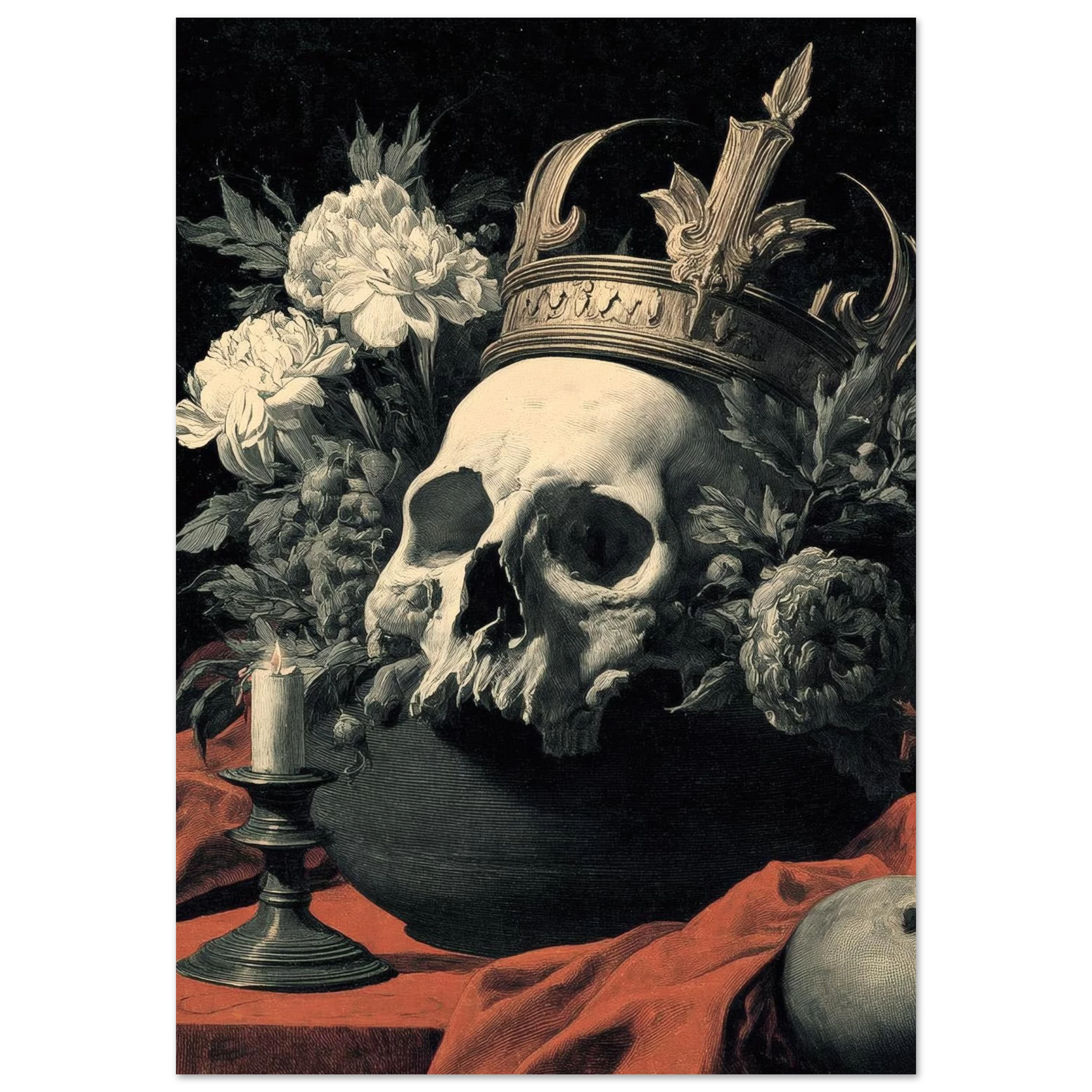
It invites duration.
And in an image culture optimized for rapid consumption, duration itself begins to feel radical.
The Artist Behind the System
De Donatis maintains a relatively understated personal presence despite the scale of the visual world he constructs. His social presence emphasizes process, experimentation, and atmosphere over personality branding.
This restraint is refreshing.
Seneh.xyz functions less as self-promotion than as environmental construction. The artist disappears partially behind the mythology of the work itself.
Which, ironically, makes the artistic identity feel stronger.
Final Reflection: Images After Certainty
Mauro De Donatis’ work feels significant not because it predicts the future, but because it reflects the emotional structure of the present.
A present increasingly defined by:
- synthetic imagery
- unstable meaning
- spiritual absence
- technological saturation
Seneh.xyz does not attempt to solve these conditions.
Instead, it aestheticizes them into something strangely immersive — a visual system where sacred symbolism, machine logic, and human anxiety coexist without resolution.
And perhaps that is why the work lingers.
Not because it explains the contemporary world.
But because it understands how haunted it has already become.