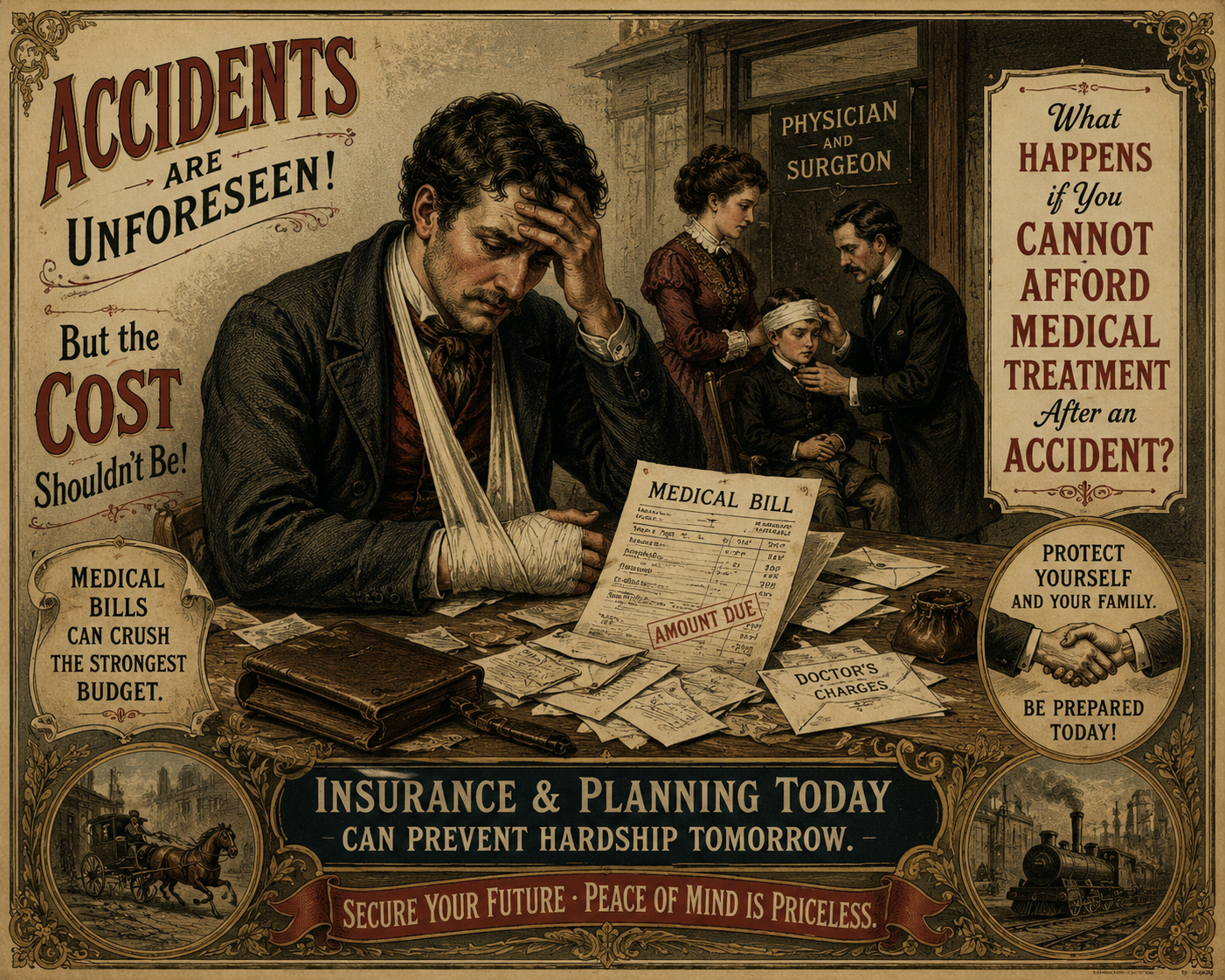
Medical bills begin arriving long before most people feel financially prepared to handle them. An accident can interrupt work, increase daily expenses, and create pressure that grows quietly with every appointment, prescription, and hospital visit. Many people try to manage the situation by delaying treatment or skipping follow-up care because the numbers attached to recovery start feeling heavier than the injury itself. Concerns about the cost of hiring an accident attorney can also add to this stress during an already difficult period.
That decision often creates another problem later, especially during insurance discussions where treatment records matter closely. Financial stress changes how people respond after an accident, and those choices can affect both recovery and claim evaluations in ways that are not obvious at first.
Why Medical Costs Become a Serious Problem Quickly
Accident-related treatment usually begins immediately with emergency care, scans, medication, and doctor evaluations. Even injuries that appear manageable at first may require weeks of appointments, therapy sessions, or additional testing later.
The financial pressure becomes harder because insurance claims often move slowly while medical expenses continue arriving. People may already be dealing with vehicle damage, reduced work hours, or household bills at the same time, and treatment costs increase.
This pressure causes many accident victims to delay care or cancel appointments simply to reduce spending. Unfortunately, delaying treatment sometimes creates bigger problems than expected because injuries may worsen without proper medical attention.
Delayed Treatment Often Creates More Complications
Many injuries do not fully appear right after an accident. Pain, stiffness, headaches, or mobility problems can slowly increase over several days. Without consistent treatment, recovery may become longer and more difficult.
Insurance companies also review treatment timelines carefully. Large gaps between appointments or delayed medical visits may create questions about how serious the injury actually was. This becomes frustrating for many people because the delay may have happened due to financial pressure rather than physical improvement.
Some common financial struggles after an accident include:
- Emergency room bills and imaging costs.
- Prescription expenses and therapy sessions.
- Missed income from time away from work.
- Transportation costs for medical visits.
- Ongoing follow-up appointments and specialist care.
These costs often continue building while people are still waiting for insurance claim decisions.
Why Documentation Matters During Financial Stress
Medical documentation often becomes one of the most important parts of an accident claim, especially if financial pressure affects treatment decisions. Records such as emergency room reports, prescriptions, doctor evaluations, therapy appointments, and medical invoices help show how injuries developed over time and how recovery progressed afterward. Keeping these documents organized may feel difficult during recovery, but missing paperwork can later create confusion during insurance discussions.

Employment records also help explain financial strain caused by missed work or reduced duties. Even smaller expenses like transportation costs, pharmacy receipts, and follow-up visit records can help show the full financial effect of the accident.
Insurance Communication Can Influence Treatment Decisions
Many people delay medical treatment because they are waiting for insurance approval or worrying about paying additional expenses themselves. This hesitation can interrupt recovery and create gaps in treatment records later. Financial pressure also makes early settlement offers appear more attractive, especially as medical bills continue increasing.
Some accident victims focus on immediate financial relief instead of long-term recovery needs. The cost of hiring an accident attorney may add to this concern because people often assume legal help will create more expenses.

Keeping records of insurance communication, including emails, claim numbers, letters, and call notes, helps reduce confusion and keeps important discussions organized later.
The Risks of Stopping Treatment Too Early
Stopping medical care before recovery is complete sometimes creates lasting problems. Pain may continue, mobility may remain limited, or symptoms may return later after appearing manageable for a short time.
Insurance companies may also interpret sudden treatment gaps negatively during claim evaluations. They often compare medical records carefully to determine whether injuries remained serious throughout recovery.
Consistent treatment records usually create a clearer picture of how the accident affected daily life. Missed appointments without explanation may weaken that picture, even if financial hardship was the real reason behind the interruption.
Final Thoughts
Financial pressure after an accident often affects treatment decisions more than people expect. Skipping appointments, delaying prescriptions, or avoiding additional care may seem like short-term solutions, but these choices can later affect both recovery and insurance discussions. Medical expenses quickly become tied to paperwork, communication, and claim evaluations throughout the process.
The cost of hiring an accident attorney may also feel stressful during this time, especially while other bills continue growing. Keeping records organized and maintaining steady communication often helps reduce confusion later and creates a clearer picture of how the accident affected daily life.