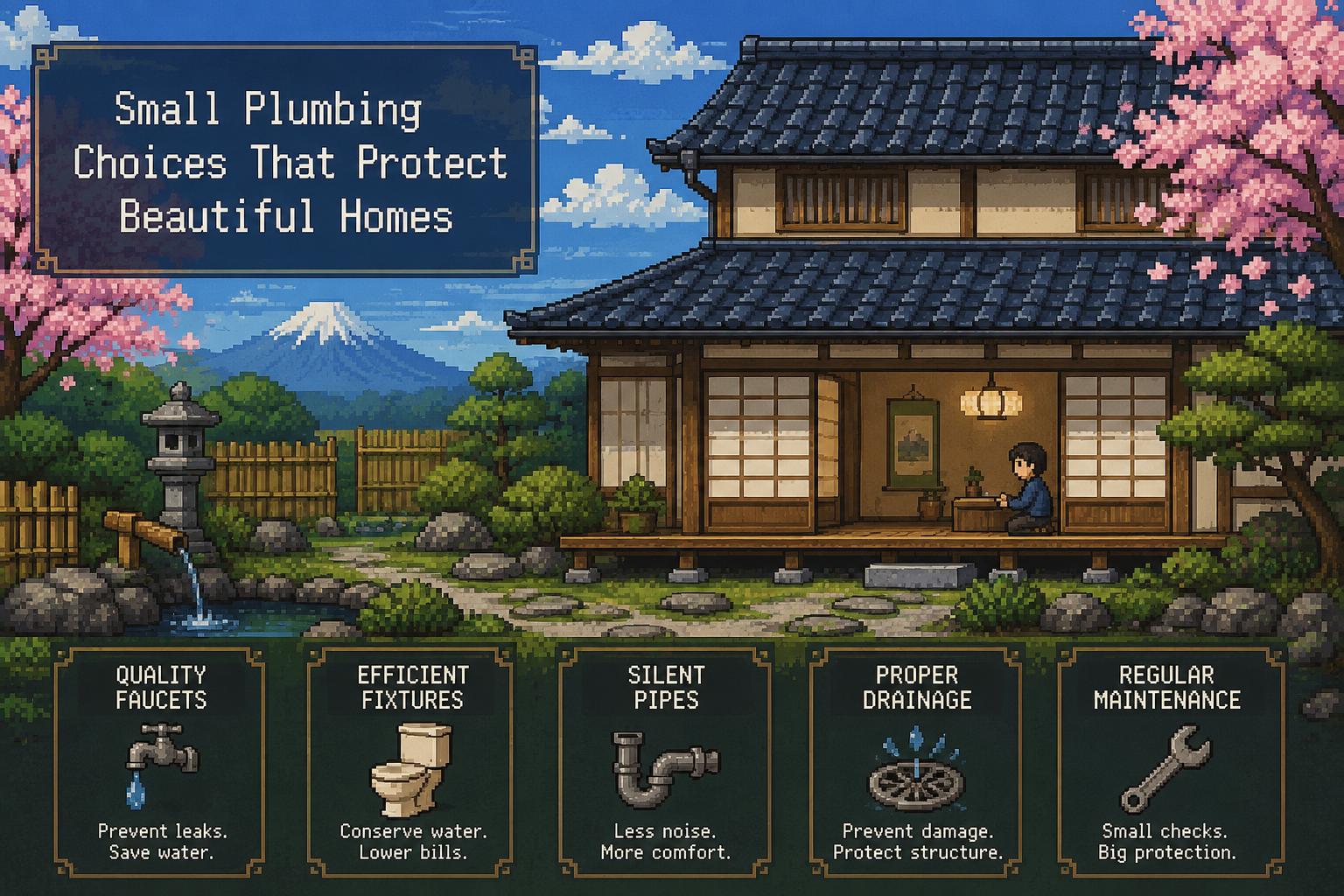
A beautiful home isn’t only about paint colors, tile patterns, or that perfect pendant light you spent three weekends choosing. What happens behind the walls matters just as much, and in Tampa, where humidity and hard water work on a house year-round, it matters a little more than most places. Plumbing may not be the glamorous star of home design, but it does a lot of heavy lifting. If you want your space to look good and stay that way, the water systems in your home deserve more attention than they usually get. Think of plumbing as the backstage crew making the whole show run smoothly.
Design Meets Plumbing
When you walk into a well-designed home, you usually notice the pretty parts first. Maybe it’s the airy bathroom, the neat kitchen, or the clean lines under a floating vanity. What you don’t notice is often the point. Good plumbing supports the room without stealing the spotlight.
That balance matters more than people think. A badly placed pipe can limit furniture, force awkward cabinet shapes, or leave you with a sink that splashes like it’s auditioning for a water park. Smart plumbing choices help your home feel polished, not patched together.
Plan For Daily Use
The best-looking room still needs to work for real life. That means thinking about how you move through the space each day. In a family bathroom, two people may need the sink at the same time. In a kitchen, the dishwasher, sink, and trash area should feel connected instead of scattered like lost socks.
Layout decisions like these are where a bad guess turns into a demolished wall six months later. Reworking a bathroom, replacing aging supply lines, and chasing a leak that keeps coming back all sit outside what a homeowner can reliably eyeball. Hire a company offering plumbing services in Tampa to handle the lines, drain routing, and fixture connections before the finishes go in. Grable Plumbing & Air covers leak detection, pipe repair and repiping, water heaters, and water softeners, and runs 24/7 with free estimates.
Try to picture your regular routine. Where do you set down groceries? Where do kids drop wet towels? Where do you need extra reach or storage? A pretty room that ignores these habits gets annoying fast. Good planning keeps the space useful, and useful spaces almost always feel more elegant too.
Hide The Busy Parts
Some home features deserve attention. Pipes usually do not. If exposed plumbing works with an industrial style, great. If not, it can make an otherwise lovely room feel unfinished. The goal isn’t to pretend your home runs on magic. It’s to keep the practical stuff from taking over the look.
A vanity is one easy helper here. It hides supply lines and gives you storage at the same time. Boxed-in pipes can also clean up a wall or corner, especially in older homes where rerouting everything would cost a small fortune and maybe your patience.
Just don’t hide things so well that repairs become a treasure hunt. Access panels are your friend. They’re not glamorous, but neither is cutting open fresh drywall because a shut-off valve disappeared behind a custom shelf.
Pick Fixtures That Last
Fixtures do double duty. They shape the style of a room, and they also get touched, splashed, and scrubbed all the time. So while it’s tempting to choose only by looks, durability deserves a seat at the table too.
Finish matters more than many people expect. Matte black can look sharp, but it may show water spots in some homes. Polished chrome is easier to clean and tends to age well. Brushed finishes often hide fingerprints better, which is helpful if your household treats the faucet like a handprint museum.
Think about feel as well as appearance. Handles should turn easily. Faucets should leave enough room for hand washing and dish rinsing. Showerheads should look good without acting like they forgot their actual job. The best fixture is one you like seeing and never have to fight with. That’s a pretty nice design standard.
Watch For Water Damage
A home can look beautiful on the surface while quietly dealing with plumbing trouble underneath. Water damage is sneaky like that. It starts small, then suddenly your cabinet base is swollen, your paint is bubbling, and the room smells a little like a forgotten towel.
Keep an eye out for stains on ceilings or walls, warped floorboards, loose tile, and musty odors. Those clues often show up before a full-blown disaster. A rising water bill is another red flag. If your usage hasn’t changed but the cost has, something may be leaking where you can’t see it.
This matters for aesthetics as much as maintenance. Water can ruin wood finishes, grout lines, plaster, and cabinetry. It can also damage the structure behind those nice surfaces. Catching problems early protects both your budget and your design choices. Nobody wants their dream bathroom undone by one grumpy pipe.
Renovate Without Regret

Kitchen and bathroom remodels are exciting, but plumbing can quickly turn them into expensive puzzle games. One of the biggest cost drivers is moving major fixtures. Shifting a sink or toilet across the room may sound simple on paper, but under the floor it often means extra labor, new lines, and a bigger bill.
That doesn’t mean you should never change the layout. It just means the change should be worth it. Sometimes keeping the sink near its original location frees up money for better tile, lighting, or storage. That can improve both the look and the long-term value of the room.
Good coordination matters too. Designers, plumbers, and contractors should all understand the plan before work starts. That helps you avoid odd surprises, like drawers that can’t open fully or a gorgeous wall sconce placed where a pipe needs to go. A little planning now keeps your renovation from turning into a comedy of errors later.
A Home That Works
The homes people love most usually have more than good style. They feel easy to live in. Doors open where they should, storage makes sense, and water flows without drama. That comfort doesn’t happen by accident. It comes from paying attention to the systems that support everyday life.
Plumbing is one of those quiet systems that deserves more credit. It protects surfaces, supports routines, and helps each room do its job well. When it’s planned thoughtfully, the whole house feels more polished, even if nobody points to a valve and says, wow, stunning.
So if you’re building, updating, or simply trying to keep your home in good shape, don’t treat plumbing as an afterthought. The prettiest spaces aren’t just nice to look at. They work beautifully too. And honestly, that’s a design win worth celebrating.