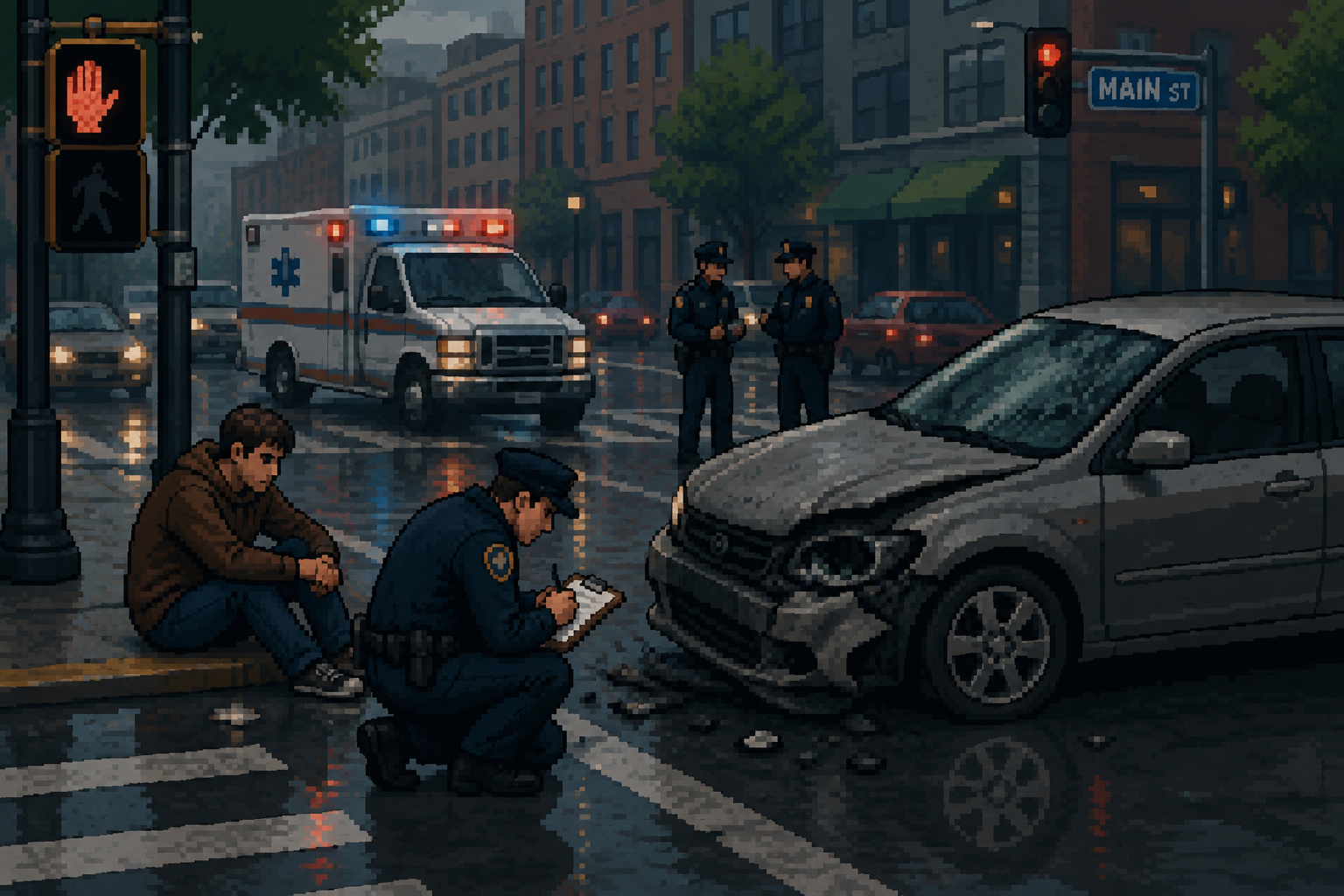
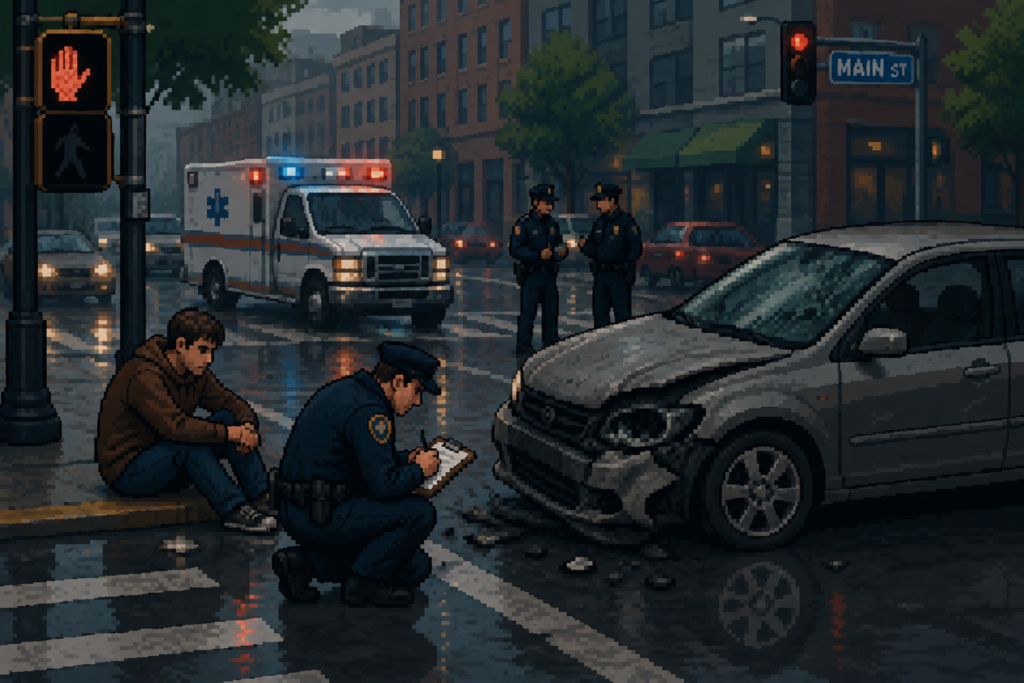
A crowded intersection can turn into the center of a legal dispute within seconds. Pedestrian and vehicle accidents continue to rise in cities where traffic pressure, speeding, and distracted driving create dangerous conditions. What makes these cases difficult is that fault is not always obvious at first glance. Drivers, pedestrians, insurance companies, and investigators may all describe the same accident in different ways.
That confusion often leads to delayed claims and long arguments over responsibility. Many people involved in these situations speak with experienced pedestrian injury attorneys because understanding how fault is examined can become more complicated than most expect after a serious street accident.
Why These Cases Often Become Complex
Pedestrian accident cases rarely stay simple because many details affect the investigation. A driver may claim the pedestrian crossed outside the crosswalk, while the pedestrian may argue the driver ignored a traffic signal or failed to slow down near an intersection. Small details become important because every action before the collision matters.
Different Versions Of The Same Accident
One major problem in pedestrian accident cases is that people involved often describe the crash differently. Drivers may say the pedestrian suddenly appeared in traffic, while pedestrians may say the driver failed to pay attention. Witnesses can also give different statements depending on where they were standing during the accident. That makes investigations longer and more detailed.
Road Conditions Can Affect Responsibility
Road design also creates problems during investigations. Poor lighting, faded crosswalk markings, blocked traffic signs, and crowded intersections can all affect visibility. Weather conditions sometimes add another layer of confusion because rain, fog, or dark streets may reduce reaction time for drivers and pedestrians.
Serious Injuries Increase The Complexity
Pedestrian accidents often lead to severe injuries because the body has little protection during impact. Broken bones, head injuries, and brain injuries may require long treatment periods. Investigators spend time reviewing medical records, police reports, and accident scene details to understand how the crash happened and how serious the injuries became.
How Fault Is Usually Determined
Several factors are reviewed before investigators decide how responsibility may be shared between the people involved. Fault is not always placed entirely on one side because many pedestrian accidents involve multiple actions happening at the same time.

Traffic Signals And Crosswalk Rules
Traffic signals often become one of the first things investigators review. If a driver ignored a red light or failed to stop at a crosswalk, that may affect fault discussions. Pedestrians are also expected to follow crossing signals and use marked crosswalks where possible. Video footage and witness statements are usually examined carefully in these situations.
Driver Behavior Before The Crash
Investigators also study how the driver behaved before the collision. Speeding, distracted driving, aggressive turns, or failing to slow down near intersections may all influence the investigation. Phone activity records are sometimes reviewed in serious accidents involving suspected distracted driving.
Evidence Collected At The Scene
Physical evidence often helps investigators understand what happened during the crash. Important details may include:
- Traffic camera footage from nearby intersections
• Police reports and witness statements
• Vehicle damage and skid marks on the road
• Weather and lighting conditions during the accident
• Medical reports connected to the injuries
Witness statements often become important because they help explain what happened seconds before the impact. Surveillance footage from nearby stores or apartment buildings may also support important details about the accident.

Steps That May Help Strengthen A Case
Strong documentation often plays a major role in pedestrian accident claims. Clear evidence can support the timeline of events and reduce confusion during investigations.
Photographs from the accident scene may help show road conditions, vehicle positions, weather conditions, and visible injuries. Medical records are also important because they connect treatment directly to the collision and show how serious the injuries became over time.
Witness contact information should also be saved whenever possible because outside observations may later support important details about traffic signals, driver behavior, or pedestrian movement before the accident occurred. Many injured people speak with experienced pedestrian injury attorneys after realizing how difficult these cases can become once evidence disappears or witness memories begin to fade.
Accident reports, medical expenses, and repair records should be organized because missing information can create delays during claim reviews. Small details sometimes become important in complicated pedestrian accident investigations.
Looking Beyond The Initial Crash
Pedestrian and vehicle accident claims continue to create difficult discussions because fault is rarely as simple as people expect. Every detail surrounding the accident may affect how responsibility is reviewed, especially in crowded urban areas where traffic conditions constantly change.
Careful investigations, records, and clear evidence often shape the direction of these cases more than early assumptions or emotional reactions. Pedestrian accident claims involve more than a single traffic mistake, which is why these investigations continue receiving close attention from legal professionals and city safety officials today.