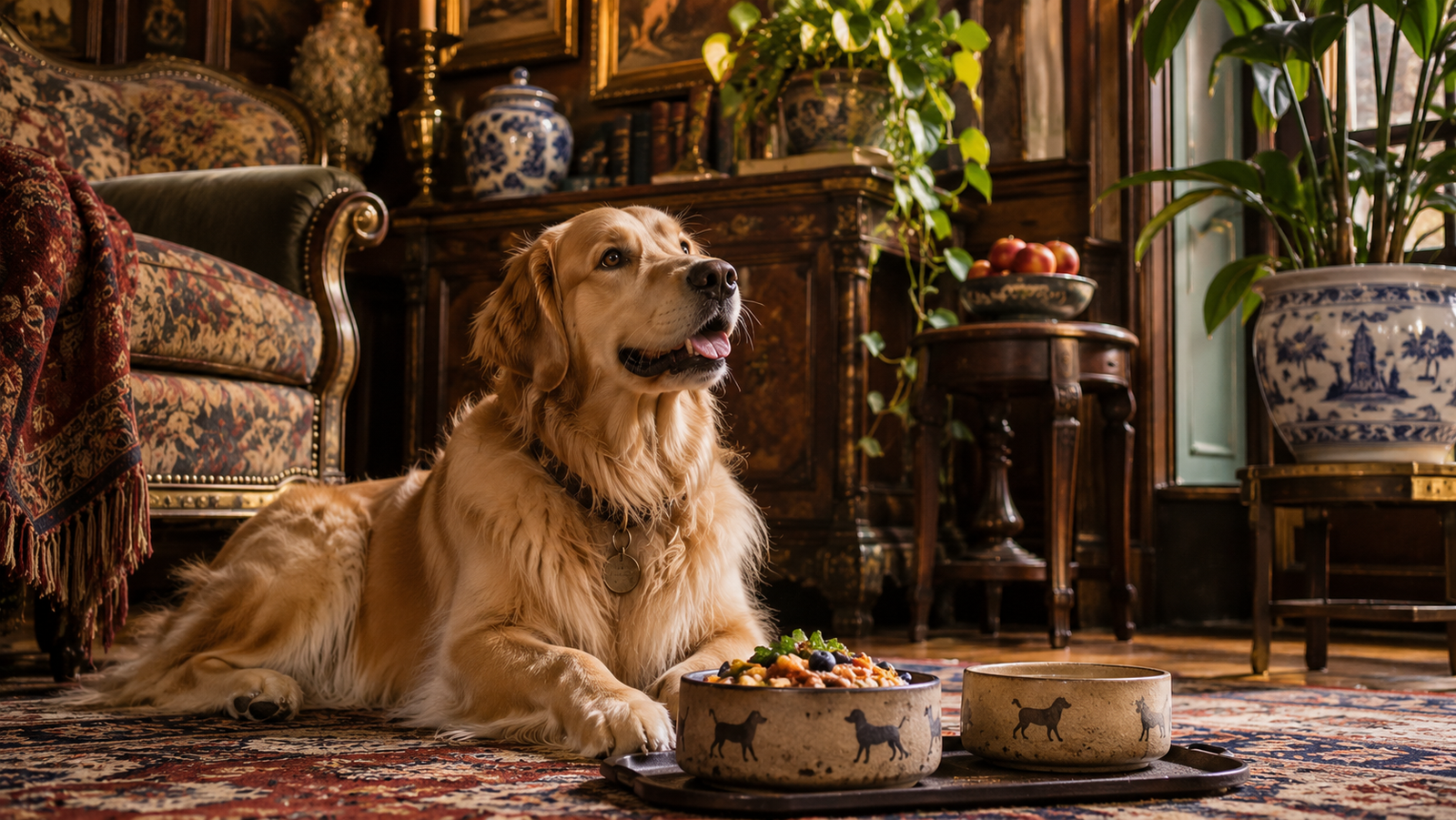
For many dogs, mealtime is one of the most exciting parts of the day. The sound of a food container opening or the familiar sight of a filled bowl can be enough to get their tails wagging. However, eating does not always have to be a simple routine of putting food in a bowl and waiting for it to disappear.
Dogs naturally enjoy exploring their surroundings, investigating interesting smells, and working towards rewards. Introducing small changes to how food is presented can make mealtimes more engaging while providing opportunities for mental stimulation.
The good news is that making your dog’s eating experience more interesting does not require complicated recipes or expensive equipment. A few thoughtful adjustments can bring variety to their routine without compromising their nutritional needs.
Why Dogs Benefit from More Engaging Mealtimes
Food provides nourishment, but the experience of finding and eating it can also encourage natural behaviors. Dogs enjoy using their noses, investigating different textures, and discovering food through simple activities.
Making meals more interactive can offer several benefits:
- Mental stimulation: Searching for food and working through simple puzzles encourages dogs to think and explore.
- Natural behavior: Food-based activities allow dogs to practice searching and foraging behaviors.
- Slower eating: Some interactive feeders can help dogs who tend to finish their meals too quickly.
- Positive interaction: Shared feeding games create opportunities for owners and pets to spend quality time together.
Food-based activities can encourage dogs to use their natural problem-solving abilities while making everyday routines more stimulating. The American Kennel Club’s guide to brain games for dogs explains how puzzle toys can combine food rewards with mental engagement.
Creative Ways to Make Everyday Meals More Interesting
You do not need to replace your dog’s regular food to introduce variety. Instead, consider changing how you serve it or incorporating simple activities around mealtime.
1. Introduce Interactive Feeding Toys
Traditional food bowls are convenient, but puzzle feeders and food-dispensing toys offer another way to serve meals.
These products encourage dogs to move, investigate, or manipulate an object to access their food. Some release kibble when rolled, while others require dogs to move compartments or uncover hidden portions.
Start with an easy design so your dog can understand how it works. Choose a durable, appropriately sized product and supervise initial sessions to make sure your pet does not chew or swallow any parts.
2. Turn Mealtime into a Searching Game
Dogs often enjoy using their noses to locate food. You can use this natural interest to create a simple activity at home.
Try placing a few pieces of your dog’s regular kibble in different accessible locations around a room. Encourage your pet to find them, beginning with easy hiding places before gradually increasing the challenge.
A snuffle mat is another option. Its fabric folds create small spaces where dry food can be hidden, encouraging dogs to investigate and search.
Always use a clean surface, keep the activity supervised, and prevent your dog from swallowing fabric or other materials.
3. Experiment with Different Food Textures
Texture can influence how appealing a meal is to an individual dog. Some prefer crunchy kibble, while others enjoy the softer consistency of wet food.
If your dog tolerates their current diet well, you can explore different feeding presentations without making unnecessary changes to the nutritional formula.
For example, you might:
- Moisten dry kibble with a little warm water.
- Use a small amount of the dog’s regular wet food as a topper.
- Spread an appropriate portion of wet food across a lick mat.
- Serve suitable food in a shallow, pet-safe feeding dish.
Introduce changes gradually and observe your dog’s response. If your pet follows a prescription diet, check with your veterinarian before adding anything new.
4. Explore Suitable Fresh Ingredients
Occasionally introducing fresh ingredients can add variety to a dog’s treat routine. However, not every human food is appropriate for pets, and fresh additions should never replace a nutritionally complete diet.
Pet owners researching fruits and vegetables dogs can eat should pay attention to food safety, preparation, and portion sizes.
Some familiar options may be suitable as occasional treats when prepared correctly. Wash fresh produce, remove seeds, pits, stems, or tough parts where necessary, and serve only plain ingredients.
Avoid adding salt, sugar, sauces, or seasonings. Introduce one unfamiliar ingredient at a time so you can identify any unwanted reactions.
5. Use Food as a Reward During Training
Food can also make everyday training more enjoyable. Small portions of your dog’s regular meals can be used to reward behaviors such as sitting, responding to their name, or returning when called.
This approach provides an opportunity to reinforce positive behavior without relying entirely on additional treats.
For example, you can use a few pieces of kibble during short training sessions throughout the day. Remember to subtract these portions from the dog’s usual daily food allowance.
Keeping Food Variety Safe and Balanced
Making mealtimes interesting should never come at the expense of your dog’s health. Extra ingredients, treats, and toppers can contribute calories and may affect the nutritional balance of an otherwise complete diet.
A few basic precautions can help you introduce variety responsibly:
- Keep extras limited: Treats and additional foods should generally account for less than 10% of your dog’s daily calorie intake.
- Avoid unsafe ingredients: Chocolate, grapes, raisins, onions, garlic, and products containing xylitol should never be offered.
- Introduce changes gradually: Sudden dietary changes can cause digestive discomfort.
- Consider individual needs: Age, body weight, activity, allergies, and medical conditions all influence suitable food choices.
- Supervise feeding activities: Check that toys, mats, and other equipment are appropriate for your dog’s size and chewing habits.

If your dog develops vomiting, diarrhea, itching, or other unusual symptoms after trying something new, stop offering that ingredient and contact your veterinarian if symptoms persist or are concerning.
What If Your Dog Is Not Interested in New Foods?
Not every dog is enthusiastic about food experiments. Some prefer familiar meals, while others may be cautious about unfamiliar textures, smells, or feeding equipment.
Avoid forcing your pet to try something new. Instead, introduce changes slowly and let them investigate at their own pace.
You can also make enrichment activities easier initially. For example, leave a puzzle feeder partially open or place food in an easily accessible section of a snuffle mat. As your dog becomes comfortable, you can gradually introduce more challenging activities.
A sudden loss of appetite is different from simply disliking a new feeding toy. If your dog starts refusing familiar meals or shows other signs of illness, seek veterinary advice rather than assuming they are being fussy.
Making Mealtimes a Positive Part of Your Dog’s Day
An enjoyable eating experience does not depend on offering endless treats or constantly changing your dog’s food. Sometimes, the simplest improvements come from allowing more opportunities to search, explore, and interact with familiar meals.
Try different feeding methods, introduce suitable ingredients carefully, and pay attention to what your dog enjoys. Most importantly, maintain a complete and balanced diet as the foundation of their nutrition.
With a little creativity and attention to individual preferences, everyday mealtimes can become another opportunity to keep your dog engaged, curious, and happy.
Frequently Asked Questions
Are food puzzles suitable for all dogs?
Many dogs can enjoy food puzzles, but the design and difficulty should match their size, age, abilities, and chewing habits.
How often should I introduce food enrichment activities?
You can incorporate simple enrichment activities into your dog’s regular routine, provided they remain safe and do not increase daily food intake unnecessarily.
Can I use my dog’s regular kibble for training?
Yes. Setting aside part of the daily food allowance for training rewards can help avoid adding unnecessary calories.
Does adding variety make a dog’s diet healthier?
Not necessarily. A complete and balanced diet already provides essential nutrients, so additional ingredients are optional rather than nutritionally necessary.