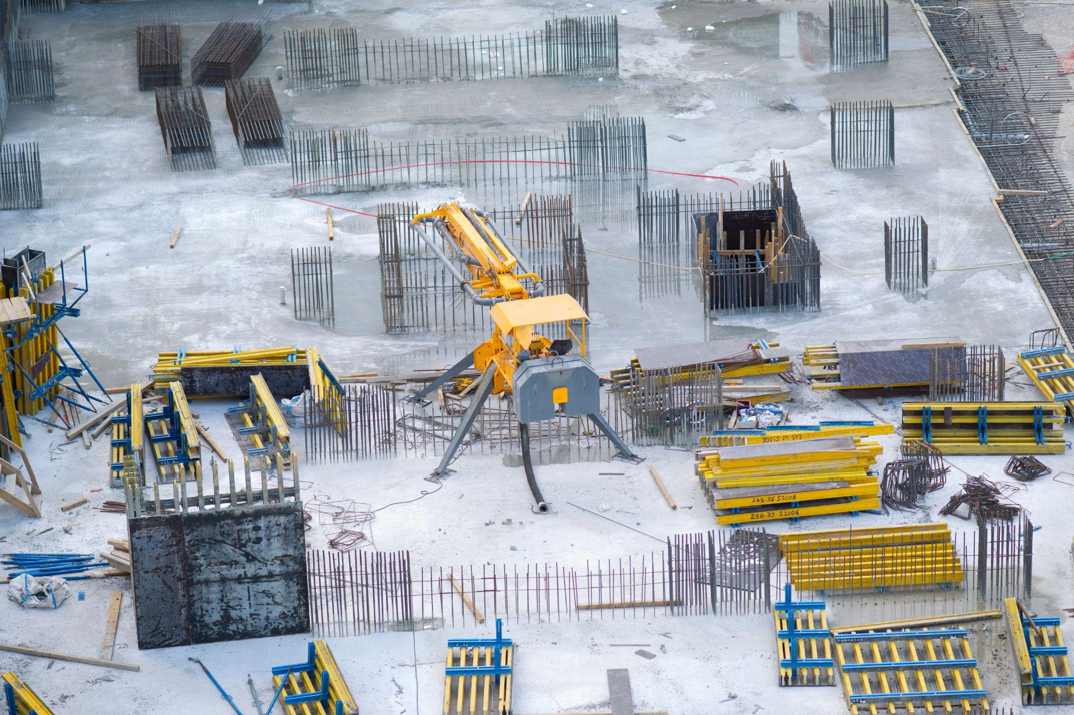
Photo by Engin Akyurt on Pexels
An excavator’s camera records the area around its tracks, while its onboard sensors record how the machine operates. Data annotation for AI in construction gives engineers labeled examples for two different jobs: recognizing the surroundings and interpreting the equipment’s condition.
Both can support smart construction equipment, but they need different kinds of evidence. A person standing behind the machine can get an image label. A suspected hydraulic fault needs more than one odd sensor reading before it becomes a confirmed training example.
Separate Perception and Maintenance Annotation Tasks
A perception model answers questions about the scene around the equipment. It might locate people or spot other vehicles. A condition model looks for operating patterns linked to wear or faults.
That difference shapes how you build the dataset. Perception labels describe visible objects and where they are. Maintenance labels link measurements to operating states or to findings confirmed during an inspection.
These records can support the same machine without sharing label categories. A worker behind an excavator and a damaged bearing are different targets, even if both show up in a product described as construction AI.
You also need to keep the model separate from how the machine responds. Recognizing an obstacle doesn’t tell you a safe stopping distance. Spotting an unusual vibration doesn’t tell you which part needs replacing.
Engineers combine model outputs with other controls and operating rules. Data annotation for AI in construction provides examples for specific learning tasks within that larger system. It doesn’t replace designing or testing the equipment itself. Reviewers can work from visual evidence for object labels and from service-confirmed records for fault labels, instead of guessing across both.
Label Camera and LiDAR Data for Construction AI
A mounted camera sees the site from a specific height and angle, and training examples should match that view. Photos taken by someone standing a few meters away may show the same objects, but they can look very different.
Reviewers mark the objects relevant to the task, such as people or nearby trucks. They also need rules for partial visibility. A person behind a bucket may have only their upper body visible, yet still matter to an obstacle-detection model.
LiDAR adds another view through a cloud of measured points. Annotators can label objects in that space, which helps models learn their 3D shape and position. Camera and LiDAR records need matching capture times and calibration before their labels can be analyzed together.
Research on an autonomous excavator system describes perception as one part of an architecture that also handles planning and control. This distinction matters when you assess what a labeled dataset can contribute.
A Site Changes Around the Machine
A route that was clear yesterday might hold stored materials today. Dust can hide part of a vehicle, and the machine’s own movement can blur a frame.
Your dataset needs examples from these conditions, including ordinary scenes with no relevant obstacle at all. Without them, the model may learn a narrow picture of the site or flag routine objects too often.
Test on different work areas and recording sessions. Holding out a few neighboring frames from the same sequence makes for a much easier test than a layout the model has never seen.
Use Sensor Data Annotation for Equipment Monitoring
Equipment monitoring works with records such as temperature or vibration over time. Those readings need context, since normal operation shifts with workload.
A higher temperature during heavy digging may be expected. The same reading during light work could be worth a closer look. Sensor data annotation can mark operating periods so the model doesn’t treat every reading as if it came from the same conditions.
Reviewers might label intervals as idling or active work. Fault labels need stronger evidence, like a technician’s inspection or a confirmed repair record.
A Repair Date Is Not a Fault Start Time
Suppose a pump is replaced on Friday. That record confirms a maintenance action, but it doesn’t prove the pump was faulty throughout the previous month.
Labeling every earlier reading as a failure can teach the model the wrong pattern. Your team needs a rule for the period the evidence actually supports. Keep uncertain intervals separate from confirmed fault examples.

The task also needs a clear prediction target. Detecting an abnormal state right now is different from predicting a failure several days out. For forecasting, training inputs have to come from before the outcome, not from service notes written after the repair.
Review Construction AI Labels and Model Results
Review matters most where the evidence leaves room for interpretation. An image label may need someone to check a partly hidden person. A maintenance label may need a technician to explain what a service code actually means.
Automated pre-labeling can reduce repetitive work, but reviewers should inspect difficult cases rather than accept every model suggestion. Otherwise, the errors of an existing model can become the expected answers for the next one.
People also remain part of operating the equipment. For example, in its report on construction workers training with robotic excavators, WIRED described operators learning to work alongside the technology. That practical setting differs from assuming every machine task can run unattended.
In your own tests, check the model’s output within the workflow it’s meant for. A maintenance warning needs enough lead time to be useful. An obstacle detector needs testing under the equipment’s real operating conditions, including poor visibility.
Final Thoughts
Pick a function you can describe and test, then collect the evidence it needs. Labels for nearby people and labels for confirmed mechanical faults serve different purposes, even when they support the same machine.
That focus helps your team review errors and decide what data to gather next. You can improve a defined capability without claiming more than the machine has actually shown it can do.
Author: Karyna Naminas, CEO of Label Your Data – Visit her LinkedIn