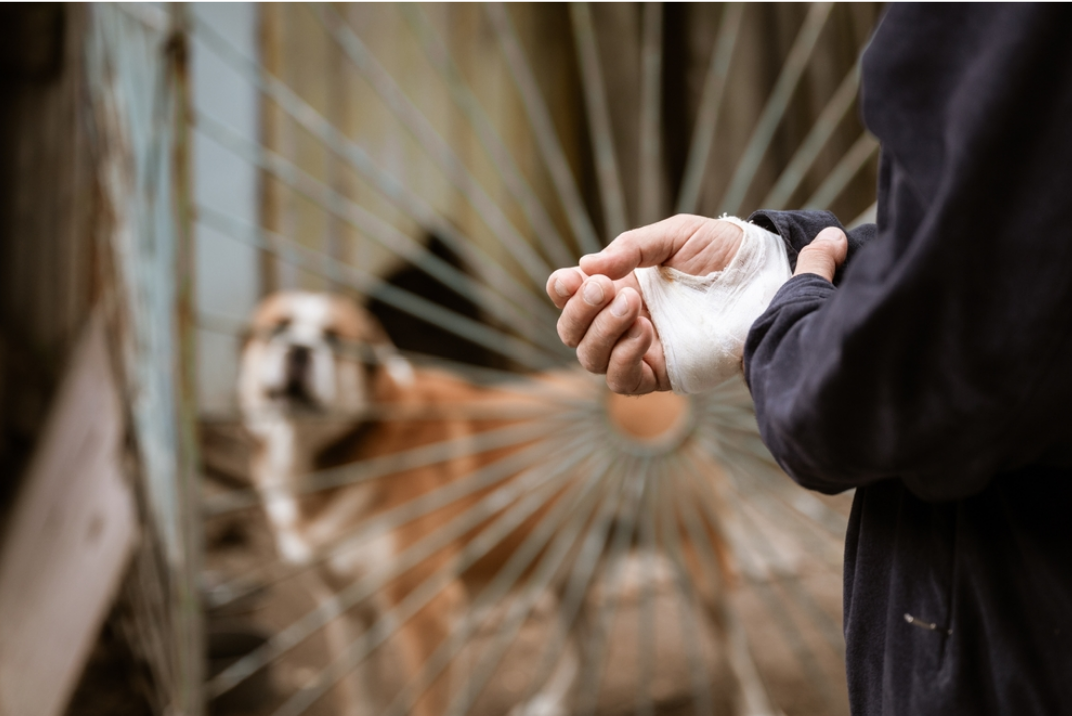
A dog bite incident is often connected to a series of details that happen before the injury itself. The location, the interaction between the person and the animal, and the behavior shown before the attack can all provide important information about how the situation developed.
Looking beyond the injury helps reveal the conditions that may have contributed to the incident, including supervision issues, previous concerns, or changes in the environment. Understanding what to do after a dog bite involves paying attention to these surrounding details and keeping track of information that may explain the events leading up to the attack.
The Common Settings Where Dog Bite Risks Often Go Unnoticed
Dog bite risks do not always appear in places that seem dangerous. Many incidents happen during normal daily activities where people feel comfortable and relaxed. A home visit, a walk outside, or a simple interaction with a pet can change quickly if certain conditions are present.
The environment around a dog can influence its behavior. Changes in routine, unfamiliar movements, or unexpected interactions may create situations where a person and an animal do not respond well to each other. Looking at these everyday settings helps explain how risks can develop without being obvious at first.
Home Visits and Familiar Environments Create Unexpected Risks
Homes are common places for people and dogs to interact. A visitor entering a home may not know how a dog usually behaves or what actions may cause stress. Even a friendly animal may react differently in certain situations.
Changes inside a familiar environment can also affect a dog’s response. A new guest, loud sounds, sudden movements, or someone approaching a dog’s food or resting area may create tension. These details can become important when reviewing the circumstances before an incident.
Walks and Public Spaces Where Dog Interactions Can Change Quickly
Outdoor areas create another setting where unexpected interactions can happen. Dogs may encounter strangers, other animals, bicycles, or unfamiliar sounds during walks. These situations can create stress or excitement that changes normal behavior.
Common factors that may increase risks include:
- Dogs without proper control or restraint
- Crowded areas with many interactions
- Sudden approaches from people or animals
- Limited space for dogs to move away
A simple walk can involve many moving parts. Understanding those details can help explain how an ordinary situation becomes unsafe.
Children, Visitors, and Social Situations That Require Extra Awareness
Social situations often involve more activity, which can affect how dogs respond. Children may move quickly, make loud sounds, or approach animals without recognizing signs of discomfort. Visitors may also interact with a dog without knowing its habits.
Dogs may react differently around unfamiliar people or new situations. A person’s intention may be friendly, but the animal may respond based on fear, protection, or stress.
Reviewing the actions and surroundings before an incident can help create a clearer picture of what happened. The goal is to understand the circumstances rather than make quick assumptions.
Signs of Stress and Behavior Changes That May Appear Before a Bite
Dogs often communicate through body language before reacting. Certain behaviors may show that an animal feels uncomfortable or threatened.
Possible warning signs may include:
- Growling or unusual sounds
- Stiff body posture
- Avoiding contact
- Protective behavior around food or personal space
These signals do not always lead to an attack, but they can provide useful context about an animal’s behavior before an incident occurs. Paying attention to these details can help explain the conditions surrounding a bite.
How Poor Supervision Can Turn Normal Situations Into Safety Concerns
Supervision plays an important role in managing interactions between dogs and people. A dog may behave differently depending on the situation, and proper attention can help prevent risky encounters.

Problems may develop when boundaries are unclear, animals are left without monitoring, or interactions happen without awareness of the surroundings. These factors can turn a normal situation into one that creates safety concerns.
The Details That Matter After a Dog Bite Incident
Understanding a dog bite incident requires looking beyond the injury. Information about the location, people involved, animal behavior, and events before the bite can help explain the situation.
Important details may include:
- Witness observations
- Medical documentation
- Photos of injuries
- Reports about the incident
- Information about previous concerns involving the dog
A dog bite lawyer may review these details to understand the circumstances surrounding the injury. The focus remains on collecting facts and examining how different factors connect.
Conclusion
Dog bite incidents often involve a combination of conditions rather than one single cause. The environment, animal behavior, supervision, and actions before the incident can all provide important information.
Knowing what to do after a dog bite means considering the full picture surrounding the event. Looking at what happened before the injury can reveal details that may otherwise be overlooked.
Everyday situations can carry hidden risks, and understanding those risks requires attention to the small details that shape each interaction. The events before a bite often explain more than the injury alone.