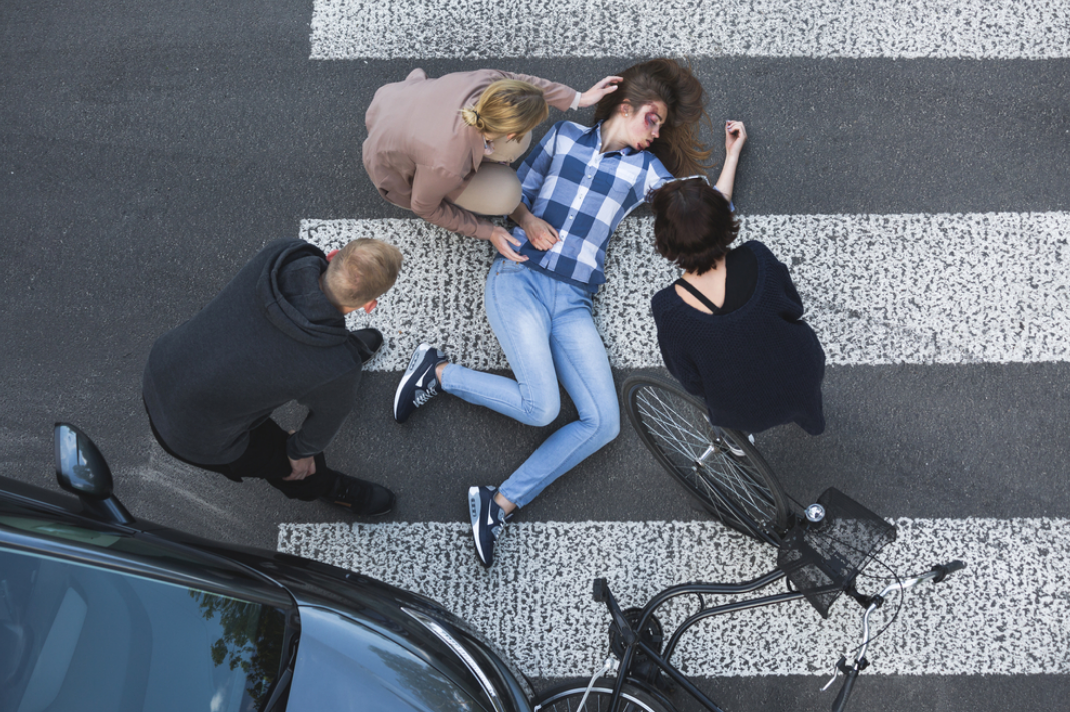
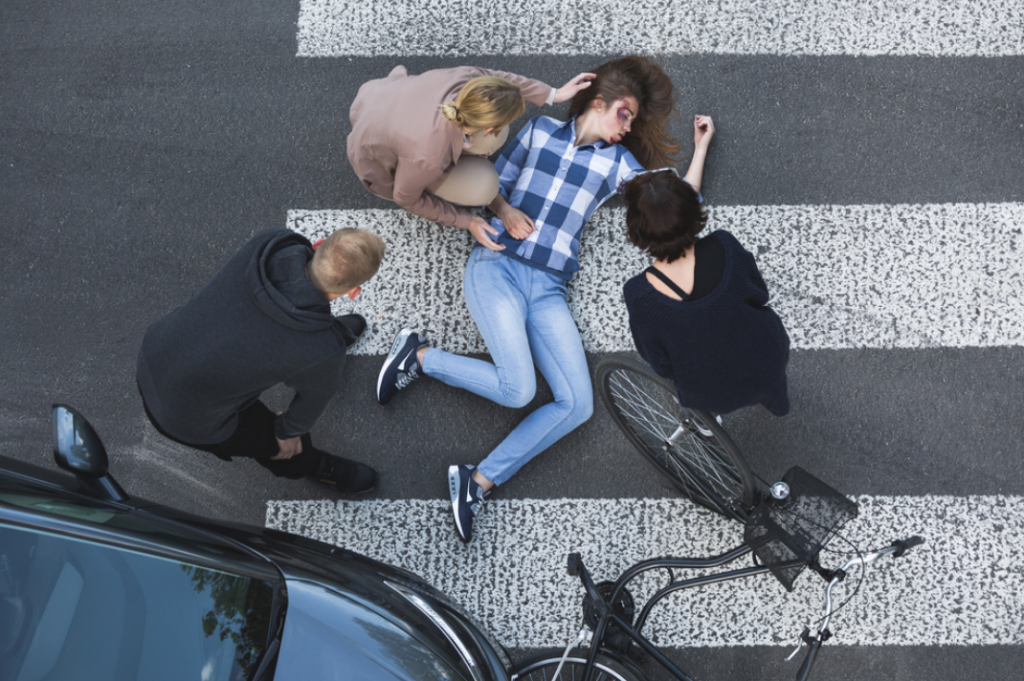
Every road quietly teaches people how to move. Wide lanes encourage faster driving, faded crosswalks create confusion, and blocked views make it harder for drivers and pedestrians to notice each other. These design choices may seem small, yet they can shape safety every single day. A careful pedestrian accident settlement guide often looks beyond the people involved and considers whether the roadway itself played a part in the collision.
Streets are more than paths between places. They are environments that influence decisions long before an accident happens. Looking closely at road design helps reveal details that are often missed during the first review.
Streets Do More Than Move Traffic
Roads are built to help vehicles and people travel safely, but every design decision affects how traffic behaves. The width of a road, the location of crosswalks, the timing of traffic signals, and the placement of sidewalks all influence how drivers and pedestrians interact. Good design supports clear movement, while poor design may create confusion or increase the chance of mistakes.
Pedestrian accidents are rarely explained by one factor alone. The surroundings often provide valuable information about what happened before the collision. Investigators study the roadway because it may contain signs that help explain why the crash occurred. A detailed settlement guide often considers these environmental factors together with the available evidence instead of focusing only on the people involved.
Small Design Choices Can Create Bigger Safety Challenges
Crossing Areas That Reduce Driver and Pedestrian Visibility
Crossing a road becomes more difficult if drivers and pedestrians cannot clearly see each other. Large intersections may require people to spend more time crossing, while faded crosswalk markings can make crossing areas less noticeable. Parked vehicles, trees, signs, and other objects may block the view for both drivers and pedestrians.
Poor lighting can also make evening conditions more challenging. Even if traffic signals are working properly, reduced visibility may affect how quickly drivers notice someone crossing the street. These conditions do not automatically explain every accident, but they become important parts of the overall investigation because they provide useful background about the environment where the collision occurred.
Traffic Speed Often Reflects Road Design
The design of a road often influences how fast drivers choose to travel. Wide lanes may encourage higher speeds because they create a feeling of extra space. Long stretches without traffic calming features may also lead drivers to move faster than intended. Faster traffic generally requires more distance to stop, leaving less time to react if a pedestrian enters the roadway.
Turning lanes and corner designs can also affect safety. Sharp turns may naturally slow vehicles, while larger turning areas sometimes allow drivers to maintain higher speeds through intersections. Investigators consider these roadway features because they help explain how traffic normally moves through the area rather than relying only on what happened during the collision itself.
Road Conditions Become Part of the Investigation
Investigators gather information from many different sources after a pedestrian accident. The roadway itself becomes one part of that process because physical conditions often provide valuable context. They carefully compare environmental details with reports, photographs, and other available evidence before drawing conclusions.
Some common sources reviewed during an investigation include:
- Crash scene photographs
- Traffic signal timing records
- Roadway measurements
- Surveillance or traffic camera footage
- Weather and lighting conditions
- Maintenance or construction records
Each source adds another layer to the investigation. Instead of depending on one detail alone, investigators compare multiple pieces of information to develop a clearer understanding of how the accident happened.

Improving Documentation Helps Build a Clearer Picture
Good documentation helps preserve details that may disappear over time. Photographs taken soon after a pedestrian accident can capture road markings, damaged sidewalks, nearby signs, construction barriers, and lighting conditions before changes occur. These images often become useful because road conditions may look different after repairs or maintenance work.
Videos recorded from nearby businesses or traffic cameras may also help explain how vehicles and pedestrians were moving before the collision. Notes describing weather conditions, traffic flow, and nearby obstacles provide additional context that may not appear in official reports. Careful documentation allows investigators to review the environment more accurately instead of relying only on memory or later observations.
Conclusions
Road design shapes everyday travel in ways that often go unnoticed until an accident occurs. Features such as lane width, visibility, sidewalks, intersections, and traffic speed all influence how drivers and pedestrians share the same space. These conditions never tell the entire story, but they often provide valuable information that supports a careful investigation.
A complete review considers roadway conditions together with physical evidence, photographs, official reports, and scene documentation. Looking at the full environment creates a more accurate understanding of how a collision developed. A thoughtful pedestrian accident settlement guide recognizes that every detail matters because safer conclusions come from studying the entire picture instead of focusing on only one part of the roadway.