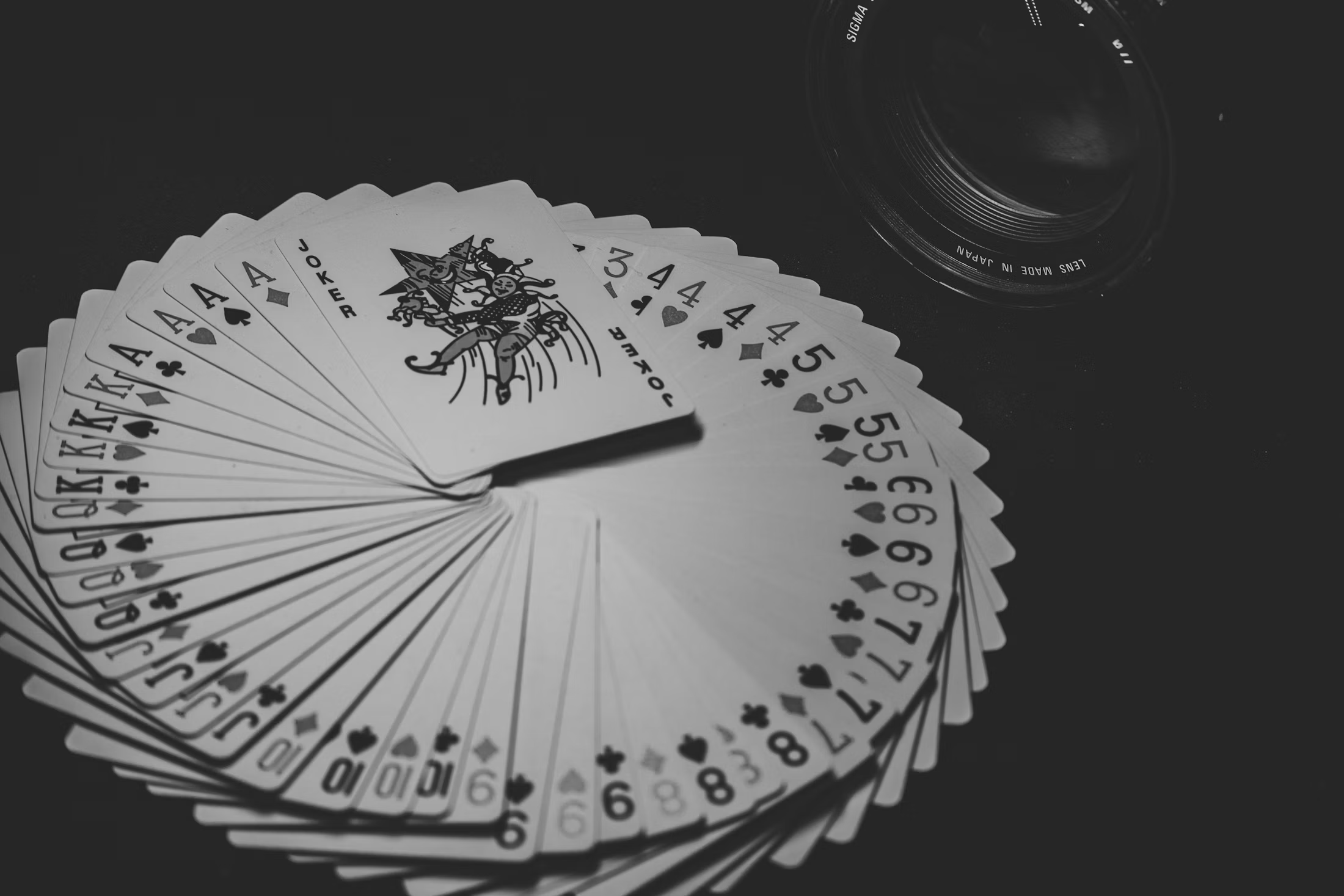

Digital entertainment has always had a strange relationship with chance.
Cards, dice, lotteries, arcades, slot machines, mobile games and reward-based apps all understand the same old truth: people like anticipation. They like the pause before the reveal, the small ceremony of possibility, the moment when the screen, card or wheel suggests that something might happen. The internet did not invent that feeling. It simply made it portable, repeatable and available at almost any hour of the day.
This is the cultural space where new sweepstakes casinos have become part of the wider conversation around online play, especially through resources that function as a comprehensive master database that players regularly consult when comparing platforms, bonuses, launch details and site-specific rules. They sit somewhere between social gaming, promotional prize mechanics and casino-style design, borrowing visual cues from gambling culture while usually presenting themselves through alternative currency systems, bonuses, daily rewards and platform-specific terms.
The result is not only a business model. It is a design language. Sweepstakes platforms use the old theatre of luck — reels, cards, coins, prizes, flashes, sounds and near-instant feedback — but translate it into the smoother interface culture of contemporary apps. The velvet rope has become a login screen. The neon sign has become a notification.
The Oldest Trick in Entertainment: Suspense
Most games of chance, whether physical or digital, depend less on winning than on suspense. The important moment is not only the outcome, but the waiting. A roulette ball circling the wheel, a card being turned, a slot reel slowing down, a digital reward animation unfolding — all of these are small theatres of delay.
This is why chance-based design keeps returning across cultures and technologies. It gives the player a tiny narrative with almost no plot: expectation, uncertainty, result. The structure is brutally simple, which is probably why it survives every technological upgrade. New platforms may change the interface, the payment structure, the legal framing or the reward language, but the emotional machinery is ancient.
What sweepstakes-style platforms add is a contemporary layer of accessibility. The experience is shaped by mobile-first habits, fast registration flows, daily prompts, reward calendars, limited-time offers and the visual rhythm of app culture. In other words, old chance has learned new manners.
Whether one finds that elegant or slightly suspicious depends on temperament. Probably both reactions are healthy.
Why the Interface Matters

Good game design is rarely innocent. It teaches the eye where to look, the hand where to click and the brain when to expect a reward. Colour, sound, iconography, pacing and animation all work together to create rhythm. The player may think they are responding only to the game, but they are also responding to a designed environment.
This is especially clear in casino-style interfaces, where visual tradition carries enormous weight. Gold coins, red felt, playing cards, jackpot typography, glowing buttons and dramatic win animations do not appear by accident. They belong to a long history of visual shorthand. The screen tells the player what kind of emotional world they have entered before a single round begins.
Art-Sheep has looked at this broader visual inheritance before in the history of playing cards as one of the most widely circulated forms of art. The card face is a useful reminder that play has always been visual culture too. Before it becomes a rule system, it becomes an image.
The same logic applies online. A digital platform is not only judged by what it offers, but by how convincingly it stages the feeling of play. The best interfaces feel effortless. The worst ones feel like someone gave a slot machine a LinkedIn profile.
The Sweepstakes Model and the Importance of Rules
The word “sweepstakes” carries its own cultural baggage. It suggests prizes, entries, eligibility, terms, promotional language and the careful distinction between chance, purchase and participation. That distinction matters, because the structure is not just aesthetic. It is legal, operational and consumer-facing.
The Federal Trade Commission’s business guidance notes that sweepstakes-type promotions requiring a purchase by participants are illegal in the United States, and that certain promotions must make key disclosures clear, including how to participate without buying and that no purchase or payment is required to win. That is why serious platforms place so much emphasis on terms, eligibility, alternative methods of entry and age restrictions through their user flows.
For readers, this means the small print is not decorative. It is the architecture. Before treating any online sweepstakes-style platform as casual entertainment, users should understand the currencies involved, whether prizes can be redeemed, what restrictions apply in their location, how verification works and what the terms actually say. The less glamorous parts of the experience are often the most important.
This is where digital culture gets interesting in the slightly grim way digital culture usually gets interesting. The interface wants to feel frictionless. Regulation, however, lives in the friction.
From Casino Atmosphere to App Habit

The major shift is not simply that casino-style games moved online. It is that they moved into the behavioural grammar of apps.
A physical casino is spatial. It depends on rooms, lights, sound, carpets, table arrangements, bars, corridors and the strange absence of clocks. An online platform has to compress that atmosphere into menus, icons, notifications, promotions and animations. The architecture becomes invisible, but the behavioural design remains.
This is why sweepstakes platforms feel contemporary even when their imagery is old. They borrow from the casino, but they live in the phone. They use traditional symbols of chance while operating through the same habits that shape social feeds, mobile games, shopping apps and streaming platforms: return daily, claim something, check what is new, tap again.
The result is a hybrid form of entertainment, and hybrids are rarely tidy. They are culturally useful precisely because they reveal what different industries have learned from one another. Casino design learned from games. Games learned from apps. Apps learned from behavioural psychology. Everyone learned from everyone, and now the button glows.
Play, But Read the Room
The neutral way to look at sweepstakes-style platforms is neither panic nor worship. They are part of a larger shift in online entertainment, where chance mechanics, reward systems and mobile interfaces overlap more than traditional categories can easily explain.
For adults who choose to explore them, the sensible approach is boring, which is usually the safest approach to anything involving prizes, coins or flashing lights. Read the rules. Check eligibility. Understand the difference between promotional currency and redeemable rewards. Set limits. Do not confuse entertainment with income. Leave the mythology of “systems” and “sure things” to men in bad shirts explaining roulette at 2 a.m.
The cultural story, however, is worth noticing. Sweepstakes platforms show how old forms of play survive by changing costume. The symbols remain familiar: cards, coins, reels, prizes, luck. What changes is the frame. The casino becomes an app. The promotion becomes a habit. The game becomes a designed ritual of anticipation.
And anticipation, as every artist, gambler, magician and app designer knows, is often the real product.