Artists have always chased new ways of seeing.
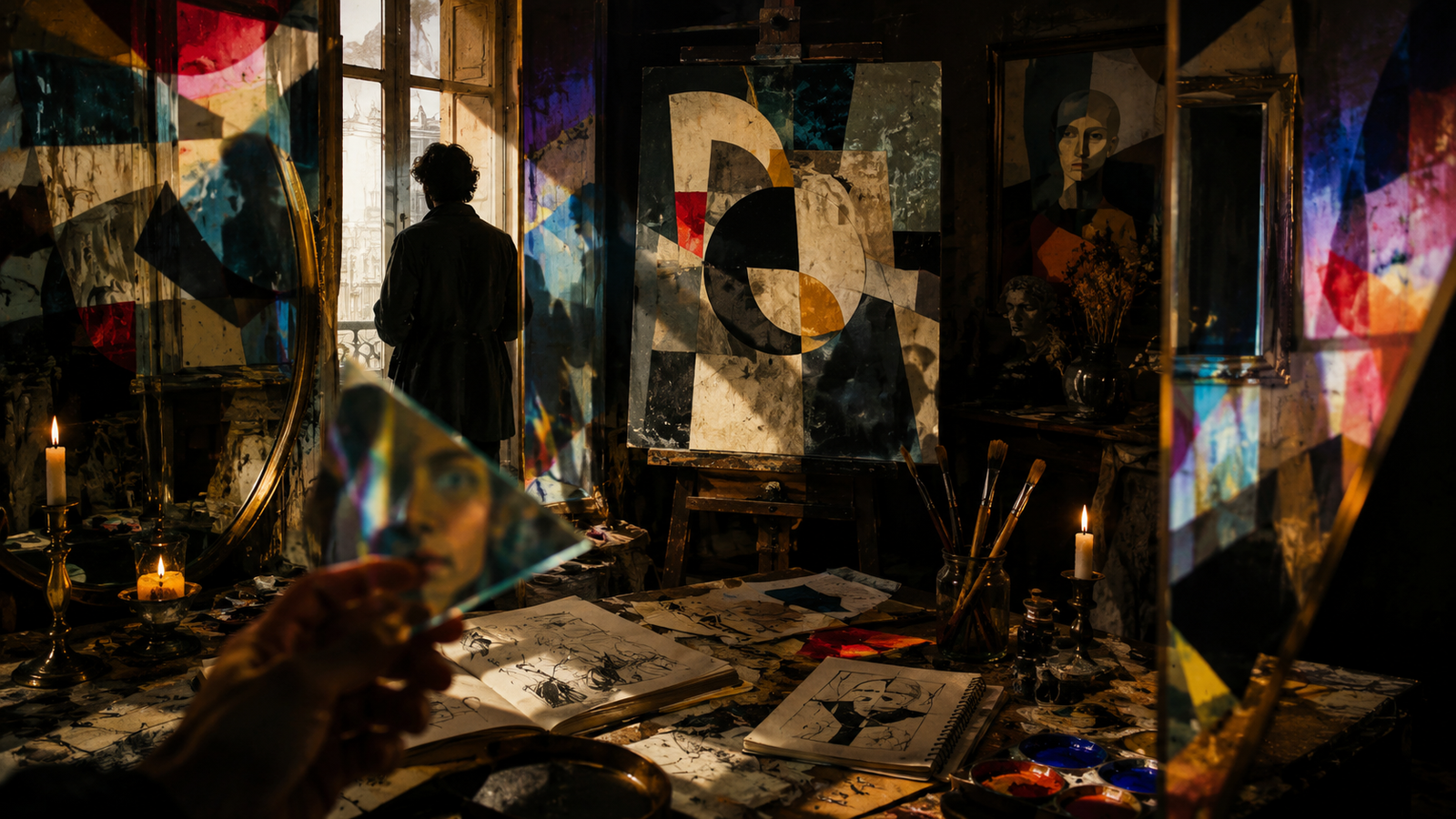
Painting, music, writing, photography, design, and performance are full of work made at the edge of ordinary perception — not because creativity requires escape from reality, but because art often begins when reality is made slightly unfamiliar. A studio is never only a room. It is a ritual space, a place where attention changes its temperature and the mind is allowed to wander beyond its usual routes.
That relationship between mood, ritual, and invention is cultural as much as chemical. Many creatives build small habits around their work: a walk, a record, a notebook, a late-night desk, a particular drink, a silent room, or, in legal markets, a carefully managed plant-based ritual. In Canada, access has become part of that wider routine, with some services even promising the Fastest Bud Delivery Near Me Now for adults who prefer convenience over an errand.
Still, the real relationship between altered perception and art is more interesting than the myth. No substance creates talent. No shortcut replaces craft. The history of creative culture is not a history of easy inspiration, but of people trying to change the conditions under which they notice, connect, revise, and make.
What Is the Link Between Altered Perception and Creativity?
Creativity is often described as the ability to make new connections between existing ideas. It depends on attention, memory, loosened association, discipline, and the willingness to follow a thought before knowing exactly where it leads. This is why artists have long been fascinated by states of mind that feel slightly shifted from the ordinary.
For some people, a small and controlled ritual can quiet self-criticism, soften tension, and make ideas feel less rigid. For others, the same thing can scatter focus, flatten motivation, or make the work feel more interesting than it actually is. The effect is personal, not universal, and that distinction matters.
Research is still far more cautious than folklore. What seems clear is that certain altered states may lower inhibition for some users, which can feel like a creative opening. But the work itself still requires skill, memory, editing, taste, failure, and the unglamorous ability to return to the page or canvas after the initial mood has passed.
That is why the old romantic story needs correction. The ritual may change the atmosphere. The artist still has to make the art.
How Have Artists Explored Altered States?
Artists have turned altered perception into subject matter for decades. Sometimes the result is serious experimentation; sometimes it is self-mythology; sometimes it is simply a useful excuse for bad work with expensive lighting. But at its best, the tradition reveals a genuine artistic question: what happens when perception is treated as material?
- Painters have documented how different states change their self-portraits from day to day.
- Photographers have explored the visual texture of mood, dissociation, intimacy, and delay.
- Musicians have built albums around atmosphere, repetition, loosened rhythm, and exploratory headspace.
- Writers have used free association to draft instinctively before returning later with discipline.
- Designers have treated calm distance as a way to step back and see the whole composition more clearly.
The through-line is exploration, not escape. A striking creative process often begins with a willingness to test perception, but the discipline of craft is what turns that test into finished work.
This is the part that tends to get lost in the mythology. Altered perception may open a door, but it does not build the house. The artists who endure are rarely those who confuse intensity with achievement. They are the ones who know when to wander and when to edit.
Which Formats Fit a Focused Creative Routine?
Not every product, ritual, or method belongs near creative work. The goal, for anyone who chooses to include this in a legal adult routine, is not intensity for its own sake. It is control, predictability, and respect for the work itself.
- Low-dose flower, for a mild, controllable lift without overwhelming the session.
- Vaporized flower, often chosen by adults who want a lighter-feeling method than smoke.
- Micro-dose edibles, approached carefully because timing can be slow and unpredictable.
- CBD-forward products, often used by people looking for calm with little intoxication.
- Balanced strains, chosen for a gentle mood shift rather than heavy sedation.
Control is the theme. Creative work needs presence. The same instinct that drives careful creativity in a studio also applies to the rituals people build around it: know the material, know the setting, know the limit.
Set and setting matter as much as the product. A comfortable space, a clear goal, and enough time to work without pressure shape the session more than branding or mythology. The product is only one part of the ritual. The attention remains the real medium.
Why Does Convenience Matter to Working Creatives?
Working creatives value uninterrupted time. A rare stretch of focus can be fragile, especially when deadlines, messages, errands, and ordinary life keep pulling at the edge of attention. This is why delivery culture has reshaped many adult consumer habits in legal markets: it keeps the routine at the center, not the errand.
In Greater Vancouver, same-day delivery can arrive within hours, while mail order reaches the rest of Canada. Free shipping over $149 and first-order discounts make planning ahead simpler for adults who already know what fits their routine.
Reliability matters as much as speed. A trusted service means consistent products, clear labeling, and fewer surprises. That consistency is what lets a ritual remain a ritual rather than becoming another interruption disguised as convenience.
Predictable access also supports budgeting and planning. Knowing what arrives and when helps people organize around deadlines, studio days, writing sessions, or downtime. In a busy month, small conveniences can protect the one thing artists never seem to have enough of: usable attention.
How Do You Keep the Ritual Responsible?
Creative or not, safety comes first. Federal cannabis health information is clear that effects vary by dose, product, and person. A careful adult routine begins with moderation, patience, and the understanding that a stronger effect is not automatically a better one.
Edibles deserve particular patience. They can take far longer to be felt than people expect, which is why waiting matters more than redosing. Research from NIDA on cannabis also points to concerns around potency and overuse, especially when products are stronger than users anticipate.

The healthiest approach treats the plant as one possible tool, not a crutch and not a personality. Store products safely, keep them away from children and pets, never create and drive, and avoid turning occasional ritual into dependency. The art, not the altered state, remains the point.
Balance is personal and worth revisiting. What feels useful during one season of life may not fit the next. A responsible creative routine requires enough honesty to notice when a habit supports the work and when it quietly begins to replace it.
What Creatives Should Keep in Mind
- Altered states have a long cultural relationship with art, music, writing, and design.
- The effect is personal; what opens one person’s imagination may scatter another’s focus.
- Small, controlled routines tend to support creative work better than excess.
- Convenience matters only when it protects the ritual rather than becoming the ritual.
- Safety, legality, patience, and self-awareness matter more than mythology.
Where Creativity and Ritual Meet
Art will always be interested in altered ways of seeing because art itself is an altered way of seeing. The painter, musician, photographer, writer, and designer all begin from the same basic refusal: the world does not have to be perceived only one way.
Used carefully, a creative ritual can support that refusal. Used carelessly, it can become another distraction, another aesthetic pose, another shortcut with nothing at the end of it. The difference is not romantic. It is practical.
The finished work still belongs to the artist. The hand, the eye, the ear, the discipline, the revision, the mistake, the return — those remain human. Whatever surrounds the ritual may shift the atmosphere, but craft is what gives the atmosphere form.
FAQ
Does a plant-based ritual actually make you more creative?
It can help some adults relax, loosen inhibition, or move into a more associative state of mind, but effects vary widely. It may set a mood, yet the skill and effort behind creative work still come from the artist.
What amount is best for creative focus?
Most people who choose to include this in a legal adult routine tend to favor very small amounts or CBD-forward products. Larger amounts often scatter focus, slow momentum, or make the session feel more productive than it really is.
Is online ordering legal in Canada?
Yes, for adults through the legal market. Retailers verify age and ship across the country, with same-day options available in some cities such as Vancouver.
How should products be stored at home?
Keep them in a cool, dark place in their original, labeled packaging. Store everything away from children and pets, and avoid heat or direct light that can degrade quality.