Petter Hegre Photographs Luba Shumeyko in Striking Naked Yoga Poses
Erotic photographer Petter Hegre is one of the most provocative artists of his field. Well-known for his sexy works, Hegre has photographed hundreds of women and their naked bodies. There is a thin line between the nude body as spectacle and the nude body as form. Petter Hegre has spent much of his photographic career walking directly along that line, often provoking easy reactions while also insisting on a kind of technical purity: clean light, minimal staging, direct composition, and the human figure treated almost architecturally.
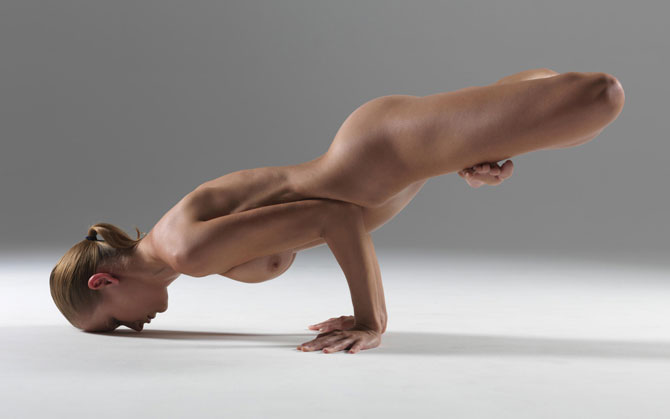
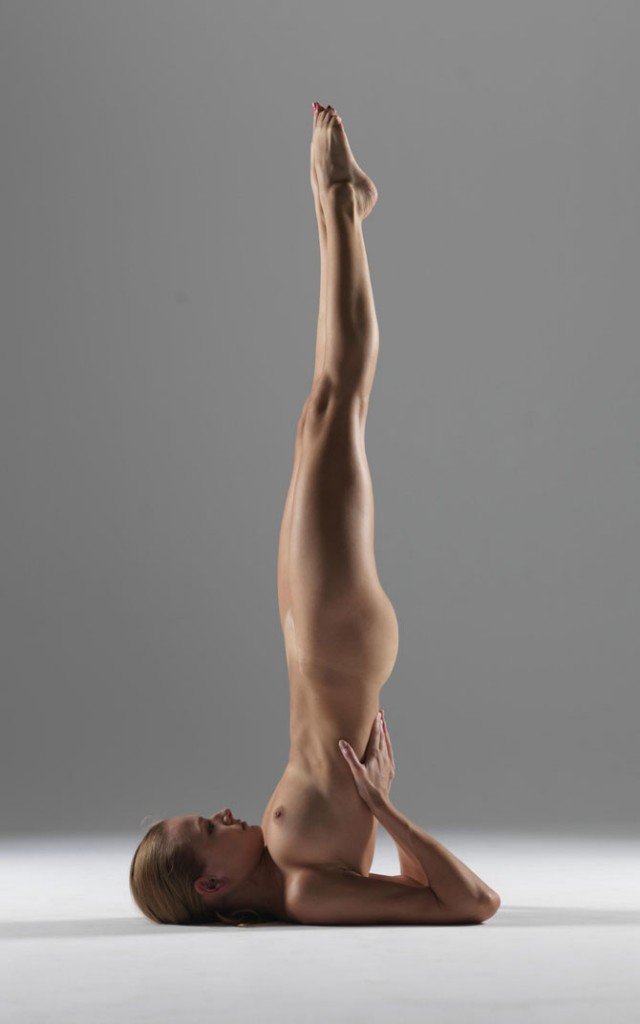
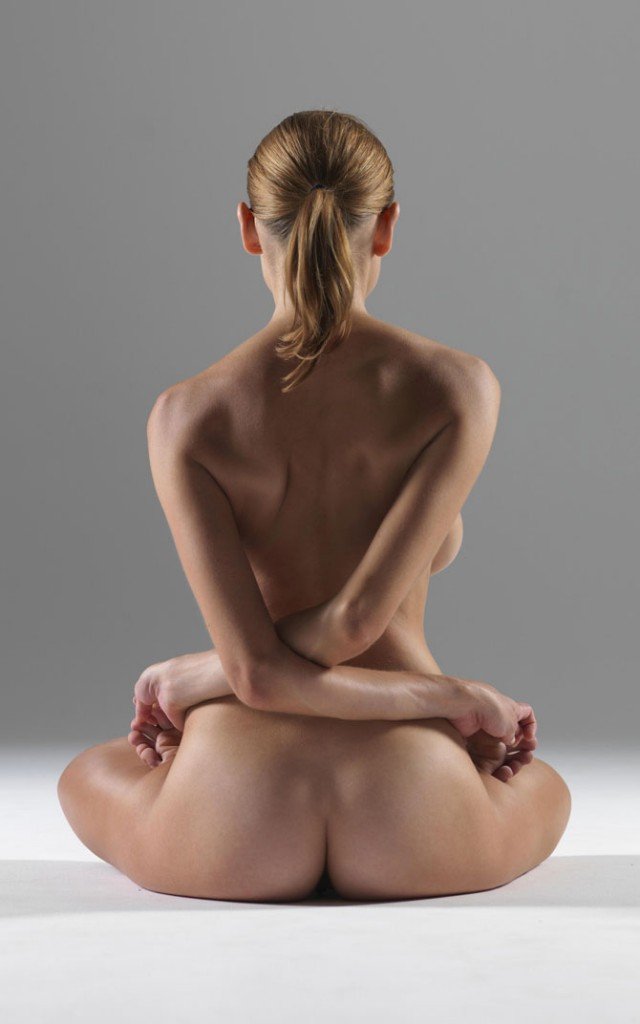
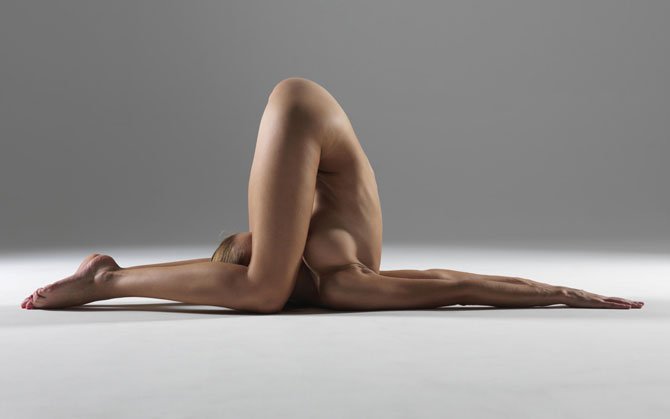
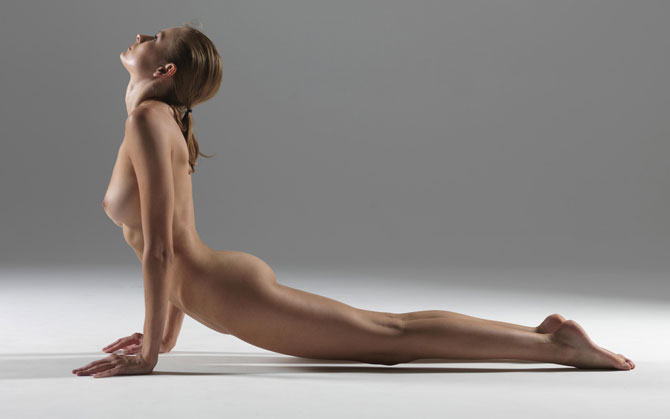
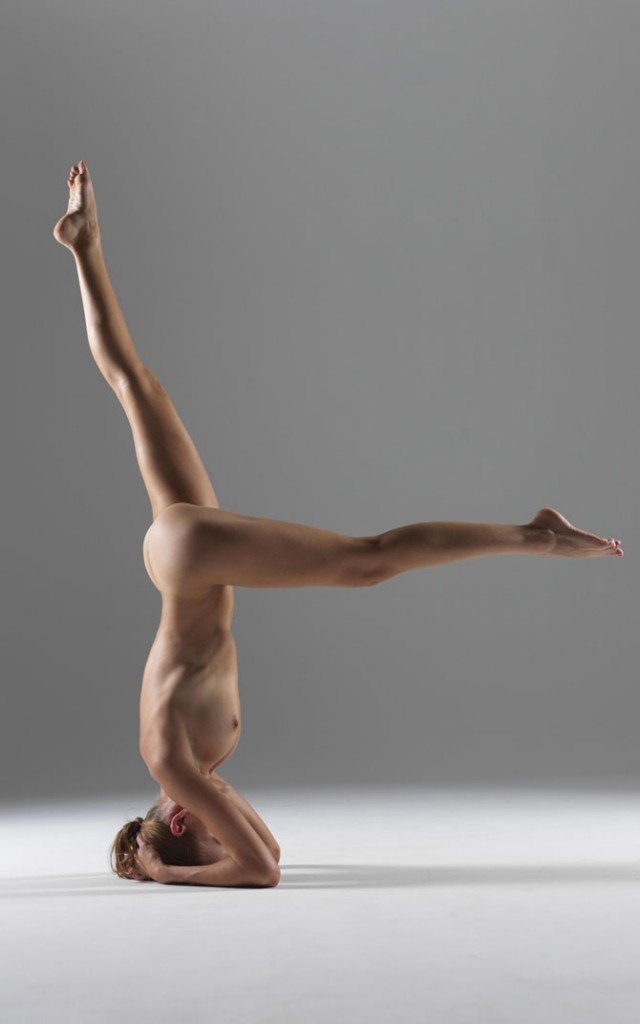
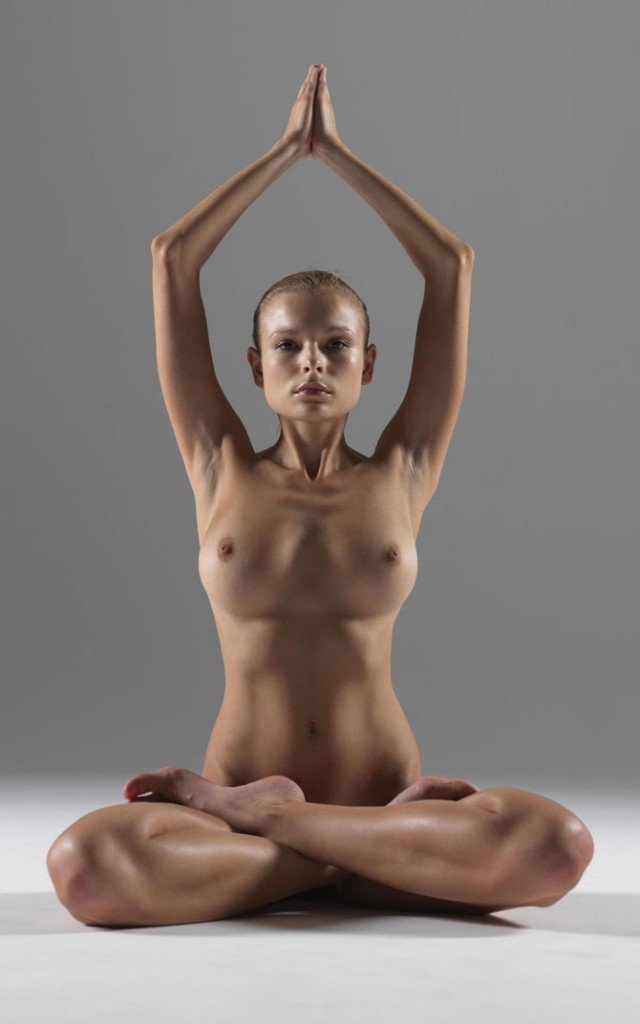
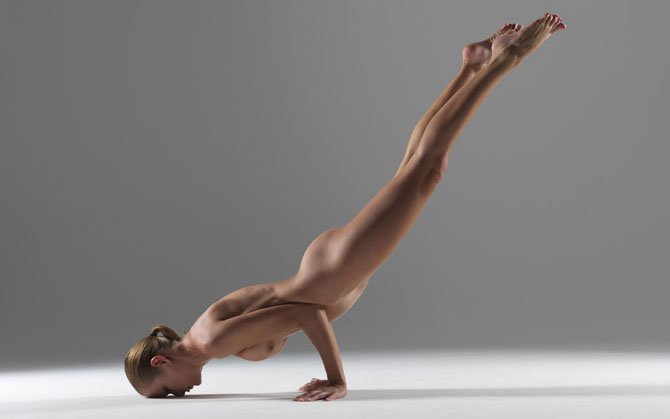
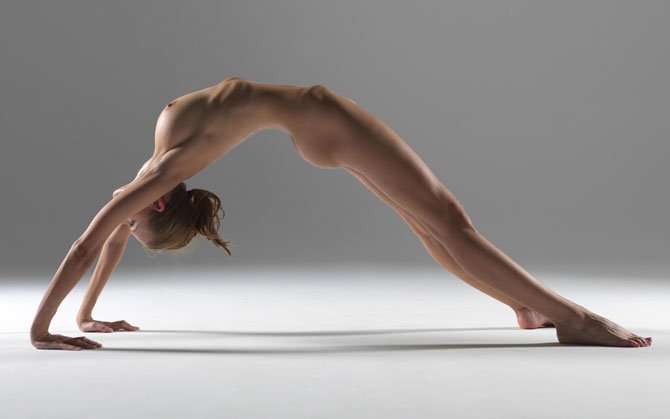
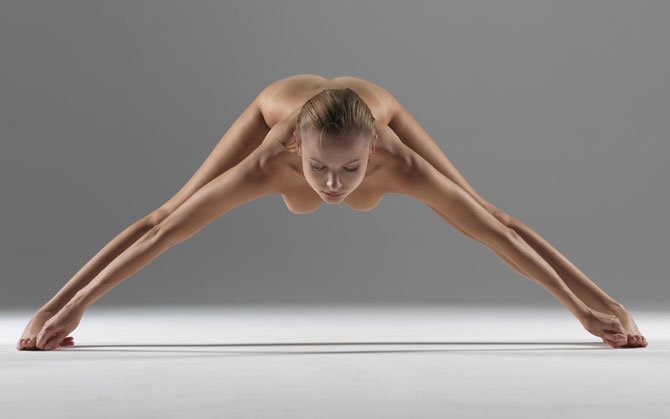
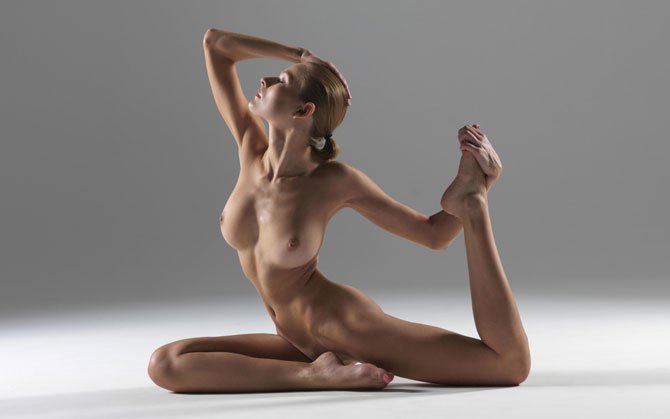
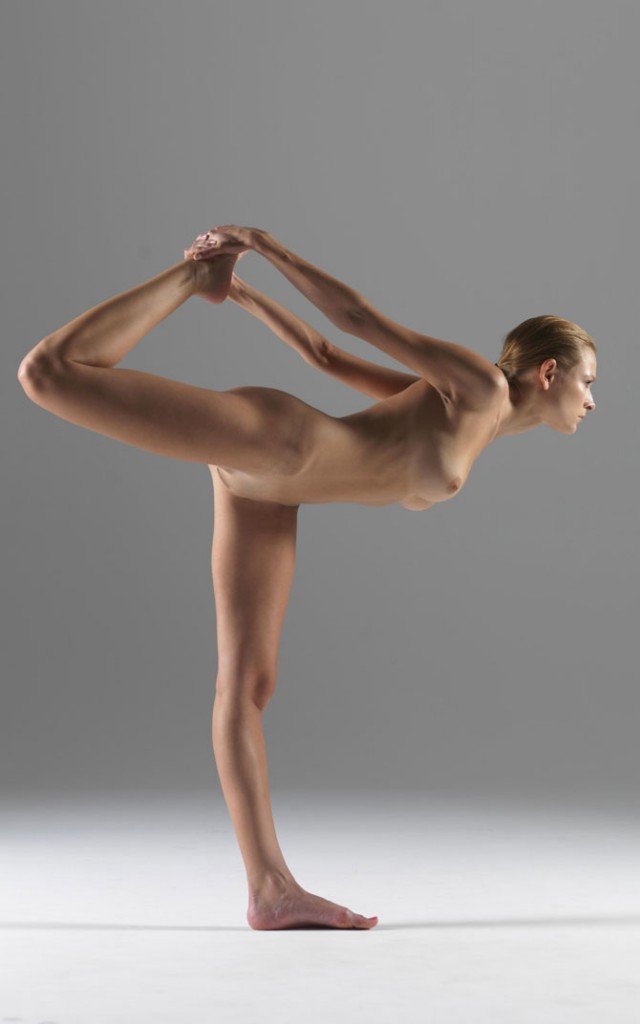
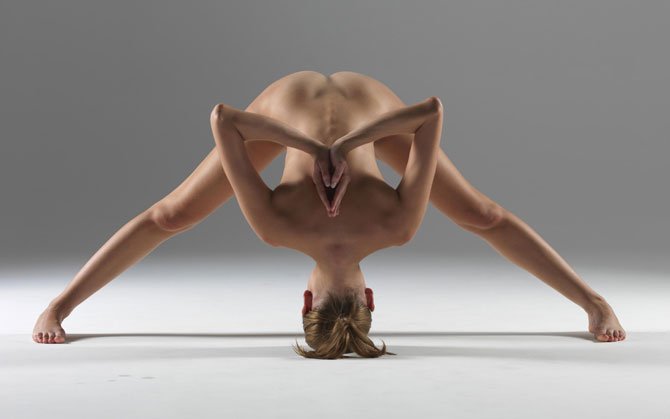
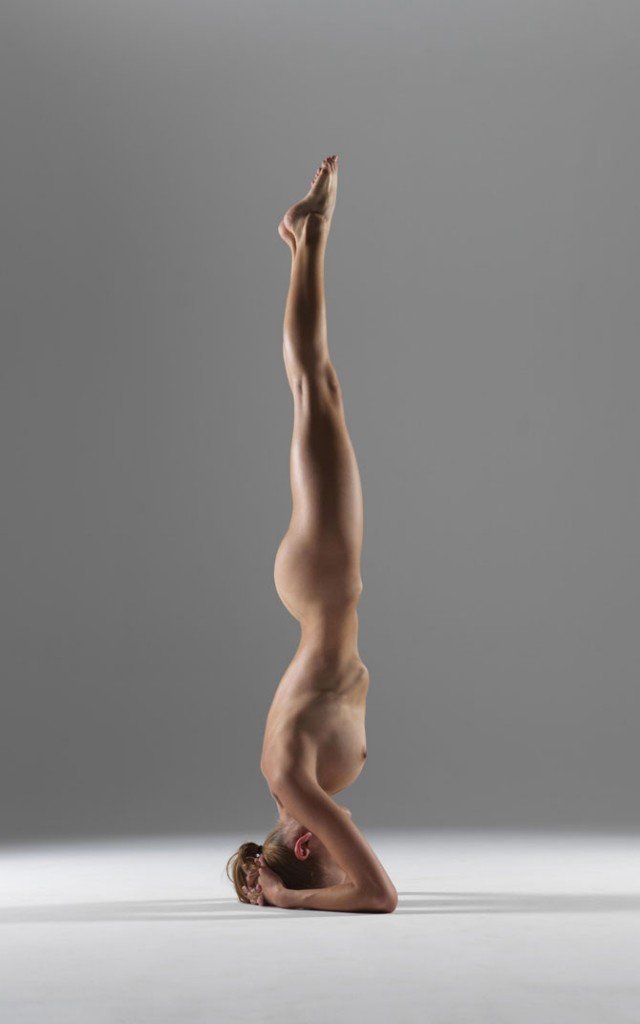
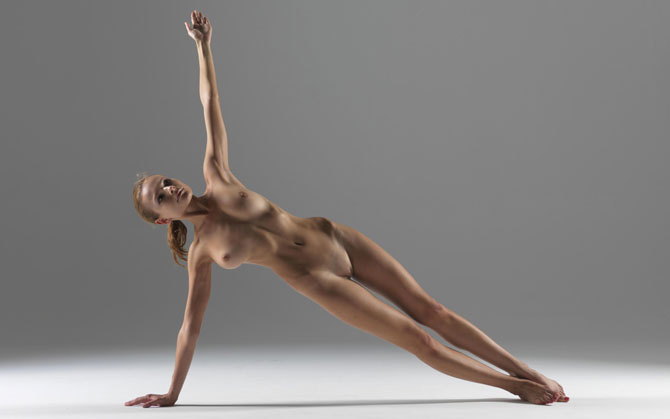
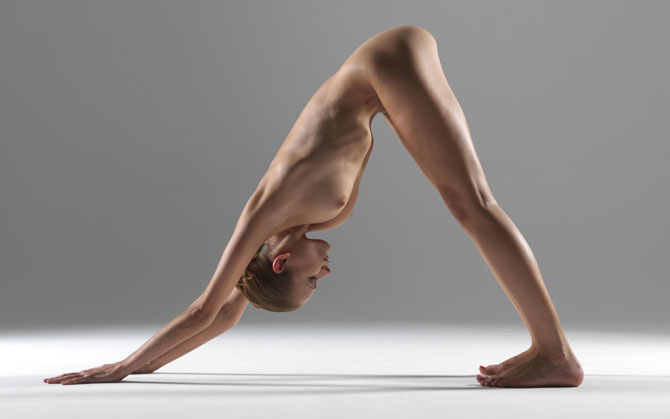
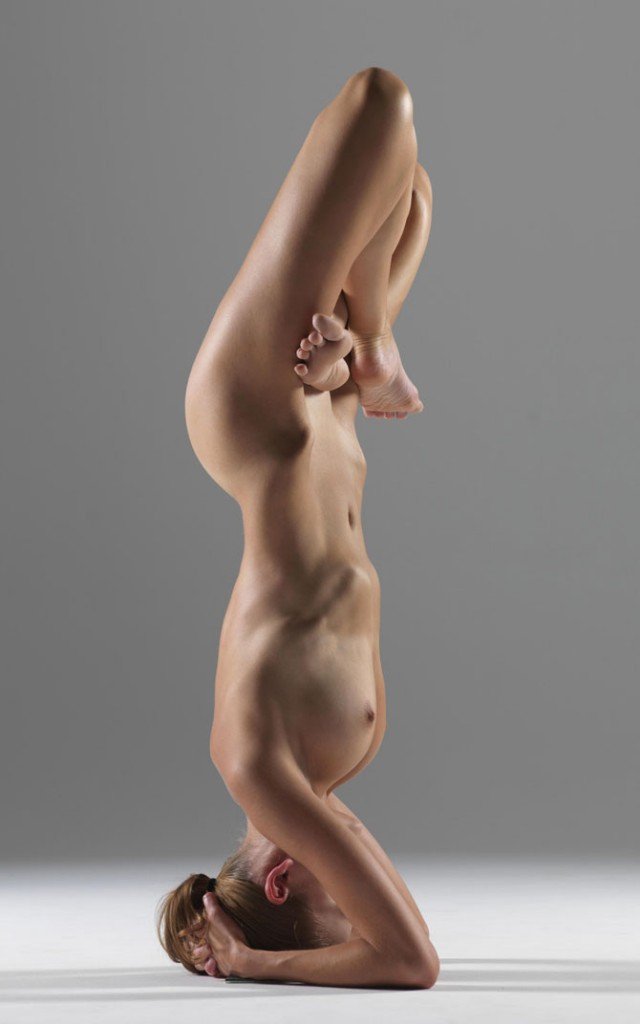
In this series, that tension becomes especially visible. Hegre photographs Luba Shumeyko — his wife, longtime collaborator, model, and yoga practitioner — in a sequence of demanding yoga poses that turn the body into something between sculpture, discipline, and visual rhythm. The images are erotic, certainly, but their eroticism is not simply a matter of exposure. It comes from balance, control, extension, and the unusual calm of a body fully aware of itself.
The Body as Line, Balance, and Architecture
Yoga has always had a visual language of its own. The extended limb, the inverted torso, the curved spine, the controlled hand, the grounded foot — each pose creates a temporary architecture. In Hegre’s photographs, Shumeyko’s body becomes less a subject placed in front of the camera and more a structure built inside the frame.
That is what makes the series more interesting than a simple nude shoot. The photographs are not only about looking at the body. They are about seeing what the body can organize: weight, pressure, breath, strength, flexibility, stillness. Each asana becomes a kind of visual sentence, held just long enough for the camera to translate effort into elegance.
There is a peculiar discipline in these images. They may appear effortless at first, but that ease is deceptive. Yoga, like photography, often hides the labor required to create grace. A pose that looks serene may demand extraordinary control. A photograph that looks simple may depend on exact light, angle, timing, and trust between photographer and model.
Petter Hegre’s Purist Approach to Nude Photography
Hegre is known for a kind of nude photography that tends to remove excess decoration. His images often favor clarity over theatricality, natural light over heavy visual drama, and a direct relationship between subject and lens. That restraint can make the work feel stark, even clinical at times, but it also gives the body an unusual graphic force.
In this series, the absence of elaborate props or narrative staging works in the images’ favor. The focus remains on posture, symmetry, muscle tension, and the sculptural quality of the human form. Shumeyko is not presented as a passive figure. Her body is active, precise, and visibly engaged in the act of holding itself together.
This is where the photographs begin to move away from conventional erotic imagery. The viewer is not only invited to desire the body, but to read it: as strength, as control, as physical intelligence. The eroticism is still present, but it is complicated by the athletic and almost meditative intensity of the poses.
Luba Shumeyko and the Performance of Stillness
Luba Shumeyko’s presence is central to the success of the series. Nude photography often depends heavily on the photographer’s gaze, but here the model’s physical command becomes equally important. The images work because Shumeyko is not merely being photographed; she is performing a discipline.
Her poses do not feel decorative. They feel practiced. The body is exposed, but it is also concentrated. There is a difference between nudity as vulnerability and nudity as control, and these photographs live inside that difference. Shumeyko’s figure appears open to the camera, yet never visually weak. The body is visible, but not surrendered.
This is part of what gives the images their strange calm. Even at their most provocative, they are less chaotic than many fashion or glamour photographs. The stillness matters. The images do not rush toward seduction. They hold it in place, almost like breath retained inside the body.
Eroticism Without Excess
The word “erotic” is often used lazily, as if it describes only what is shown. But eroticism in photography is rarely only about exposure. It is also about distance, framing, atmosphere, tension, restraint, and the implied relationship between the viewer and the viewed. Hegre’s photographs are explicit in one sense, but visually restrained in another. That contradiction is what gives them their force.
The body is fully visible, yet the images avoid the clutter of fantasy. There is little costume, little theatrical narrative, little attempt to hide behind symbolism. Instead, the photographs depend on the direct encounter between body, pose, and lens. The result can feel almost severe: sensuality stripped of ornament.
This severity is useful. It prevents the series from becoming merely decorative. The photographs are beautiful, but not soft in the sentimental sense. They are controlled, polished, and sometimes almost cold. Their beauty comes from precision as much as sensuality.
When Yoga Becomes Image
There is always something slightly paradoxical about photographing yoga. A practice associated with internal balance, breath, and bodily awareness becomes an external image, available to the viewer’s gaze. The private discipline becomes public form. The body’s inner concentration becomes surface.
Hegre’s series does not resolve that contradiction. It uses it. The photographs ask the viewer to look, but they also make looking feel slightly inadequate. What the camera captures is the visible result of a practice whose deepest experience remains invisible. We see the pose, but not the breath. We see the body, but not the sensation of holding the body in that exact arrangement.
That gap between visible form and invisible effort is where the images become most compelling. They are not simply photographs of a naked woman doing yoga. They are photographs of discipline made visible through the nude body.
The Nude Body as a Visual Argument
What makes this series worth revisiting is not only its obvious visual impact, but the way it sits between categories. It is erotic photography, but also body study. It is yoga imagery, but also formal composition. It is intimate, because of the relationship between photographer and model, yet highly controlled, almost impersonal in its clean visual language.
This ambiguity is central to Hegre’s work. His images often provoke because they refuse to let the viewer settle comfortably into one reading. Are we looking at desire, discipline, beauty, athleticism, intimacy, objectification, collaboration, or form? The honest answer is probably yes.
That is also why the series continues to circulate online. It is easy to reduce it to shock or sensuality, but its persistence comes from something more specific: the images are immediately legible and unusually memorable. A body in an impossible-looking pose becomes an icon before it becomes an argument.

In our broader archive of visual culture and photography, figures like Shumeyko occupy an interesting place: not simply as models, but as recurring visual presences through which questions of beauty, authorship, exposure, and internet-era eroticism continue to unfold. You can explore more related Art-Sheep material through our Luba Shumeyko archive.
Why These Images Still Work
Years after their initial circulation, the photographs remain striking because they combine two kinds of attention that are often kept separate: the erotic gaze and the disciplined gaze. One looks at the body as desire. The other looks at the body as structure. Hegre’s series allows both to exist at once, which is why the images feel more durable than a simple NSFW curiosity.
The best nude photography does not merely reveal the body. It reveals a way of looking at the body. Here, that way of looking is clean, controlled, sculptural, and deliberately exposed. Shumeyko’s poses transform nudity from surface into tension. The camera does not simply record her body; it records the body’s ability to become line, balance, and form.
That may be the real reason the series still holds attention. Not because it is provocative, though it is. Not because it is beautiful, though it clearly is. But because it understands something that both yoga and photography know well: stillness is never empty. It is effort made quiet.
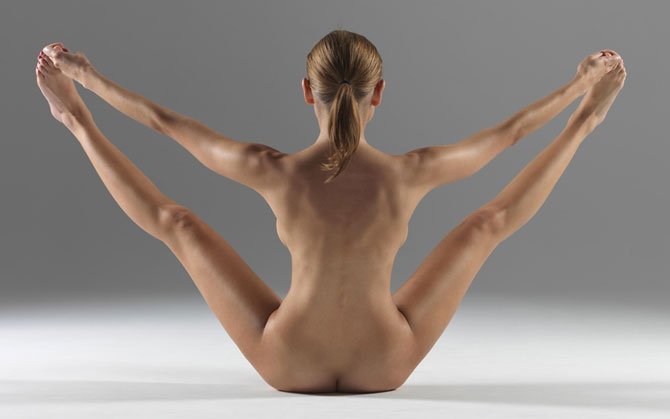
For Naked Yoga the photographer shot his favorite model -his wife, in a series of striking yoga poses. Luba Shumeyko showed off her amazing skills, while her husband made sure her asanas were correct -that’s another way to phrase “checking her moves out”.
Shumeyko’s flawless body looks like it’s fully connected with the moves it practices, while Hegre’s photos have perfectly captured her physical and mental state during her work-out.
Shumeyko’s presence in the series deserves its own attention. Beyond her collaboration with Petter Hegre, she has become one of the most recognizable figures in contemporary soft nude photography — not merely as a model, but as a recurring visual presence through which questions of beauty, discipline, exposure, authorship, and the internet gaze continue to unfold. We explore that more deeply in our dedicated feature on Luba Shumeyko and the strange soft power of contemporary nude photography.