Gas Candy has become one of the more talked-about names on dispensary and THCA flower menus over the past couple of years, prized as much for its aroma as for its potency. The name itself hints at what makes it distinctive: a strain built around the tension between sweet, dessert-like top notes and a heavy, fuel-forward finish that lingers underneath.
Unlike many classic strains with a single, well-documented breeding history, Gas Candy is more of a style than a fixed cultivar, with multiple lineages circulating under the same name depending on the breeder. That makes understanding what you are actually buying more important than it might be with an older, more standardized strain where the genetics are settled and well-recorded.
With this in mind, here is what to know about Gas Candy before picking up a jar, from where its genetics actually come from to the chemistry behind its signature smell and what that means for the experience itself.
1. Genetics Trace to Two Competing Breeder Lineages
The majority of the sources agree on one of two distinct crosses behind Gas Candy. Yet it is not uncommon for dispensaries to be unclear about which of them provides a particular batch. The first one comes from Crockett Family Farms with its Kandy Kush and OG #18, combining Kush genetics in order to provide the dominant gas element of the strain. A second, more recent one comes from Grounded Genetics, crossing Bacio Gelato and Runtz and thus providing a more dessert-oriented flavor of the candy profile. Both strains are considered hybrids and usually test between 20 percent and up in THC content.
Given that the name serves more as a style designation in many ways, it makes sense to check the specific cross and lab-tested THC/CBD percentages for the Gas Candy in question. Those looking for a solid reference point for their purchase would be well advised to find a specific breeder line and information on cannabinoid percentages in the Gas Candy 14 grams listings. In the case of this particular strain, this information is important, whereas for single-lineage strains, such as the majority of older ones, it is not.
2. Aroma Comes from A Newly Identified Class of Sulfur Compounds
For Gas Candy, the term gas is not only marketing terminology; for a long time, researchers believed that the skunky fuel-like odor in cannabis results from the presence of terpenes. However, a 2021 study published in the journal ACS Omega revealed a completely new class of prenylated volatile sulfur compounds that provide the skunky smell and have chemical compositions similar to those of garlic and skunk sprays. It is important to note that among all the strains tested in this study, the most pungent was Bacio Gelato, one of the strains most commonly cited as a Gas Candy parent.
The significance of this discovery goes beyond trivia. This means that the funk and diesel characteristics of some strains, like Gas Candy, come from unique molecules rather than well-known terpenes, and this can help explain why a high-limonene or high-myrcene terpene profile cannot recreate the effect in isolation.
3. Terpene Profile Shapes The Actual Experience
Terpenes, on the other hand, also do their fair share in defining the flavor profile. The most common terpenes found in Gas Candy phenotypes are limonene and caryophyllene, often accompanied by myrcene, which create the citrus and peppery flavors beneath the gassy smell. Limonene, however, is also attracting scientific attention not only for its unique flavor but for its beneficial properties.
According to a 2024 study by Johns Hopkins Medicine, vaporized d-limonene effectively lowered anxiety and paranoia caused by THC consumption in healthy individuals, without affecting its intended effects.
This discovery could explain why limonene-dominant strains like Gas Candy create a less potent experience than strains devoid of limonene, despite the same THC content.
4. Potency And Effects Vary By Phenotype and Batch
Because Gas Candy spans multiple genetic lines, the reported experience varies more than it would with a single, stable cultivar. Most users describe an initial euphoric, talkative head lift that settles into a warm, comfortable body relaxation, making it a common choice for afternoon or evening use rather than early in the day. THC levels commonly fall in the low-to-high 20 percent range, occasionally higher depending on the specific cut and cultivation quality.
As with most higher-potency hybrids, dry mouth and dry eyes are commonly reported, and inexperienced users or those sensitive to THC may notice anxiety or racing thoughts at higher doses, particularly with lower-limonene phenotypes. Pacing intake and starting with a smaller amount than usual is generally a reasonable approach with any batch whose exact terpene makeup is not yet familiar.
5. Appearance Reflects Its Resin-Heavy Genetics
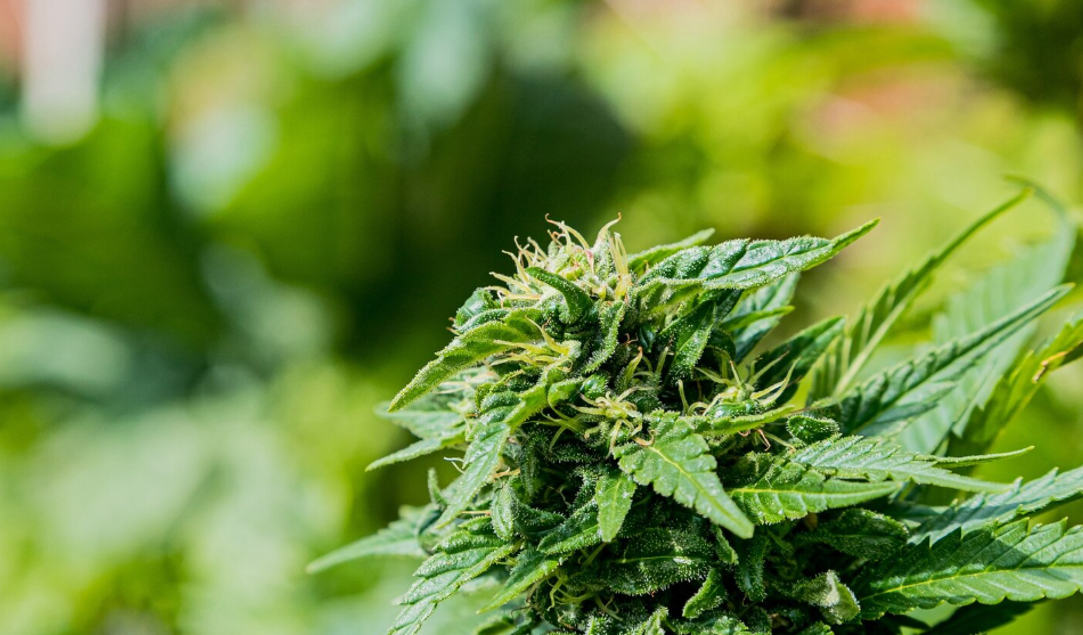
Regardless of which lineage a particular batch traces back to, Gas Candy phenotypes tend to share a similar look. Buds are typically dense and mid-sized, showing a mix of deep purple and vibrant green with bright orange pistils threading through.
A thick coat of resinous trichomes gives the flower a frosty, almost sugar-dusted appearance, consistent with its reputation as a resin-heavy, potent cultivar regardless of which specific cross produced it.

What To Check Before Buying Gas Candy
A few quick checks help ensure a purchase actually matches expectations:
- Ask which breeder lineage the batch is based on, since Kush-leaning and Gelato-leaning versions can feel noticeably different.
- Review the certificate of analysis for both THC and full terpene content, not just a single potency number.
- Check for visible trichome density and consistent bud structure as a rough quality indicator.
- Start with a smaller amount if trying a new phenotype for the first time, since effects can vary by batch.
- Buy from a retailer that tests each batch individually rather than relying on a generic strain description.
Conclusion
Gas Candy’s appeal comes from the same trait that makes it a little harder to shop for: it is less a single, fixed strain than a recognizable style built around sweet-and-gas terpene and sulfur compound chemistry.
Understanding that its lineage, aroma, and effects can shift meaningfully from batch to batch makes it easier to find a version that actually matches what a shopper is looking for, rather than relying on the name alone to guarantee a consistent experience.