Solar panel efficiency tells you how much sunlight a panel turns into usable electricity. Higher efficiency means you get more power from the same amount of roof or ground space. This matters for homeowners with limited roof area and for campers or RV owners who rely on portable solar kits.Efficiency depends on the solar cell materials, panel design, and real‑world conditions like temperature, shading, and dirt. Many beginners focus only on watts, but two 400‑watt panels can perform differently if one handles heat better or loses less power over time.Understanding these basics helps you compare brands, read spec sheets, and avoid overpaying for features you do not need. This guide explains common panel types, simple ways to improve performance, and practical tips to pick efficient solar panels for home roofs and outdoor use.
Different Types of Solar Panels Explained
Monocrystalline Solar Panels
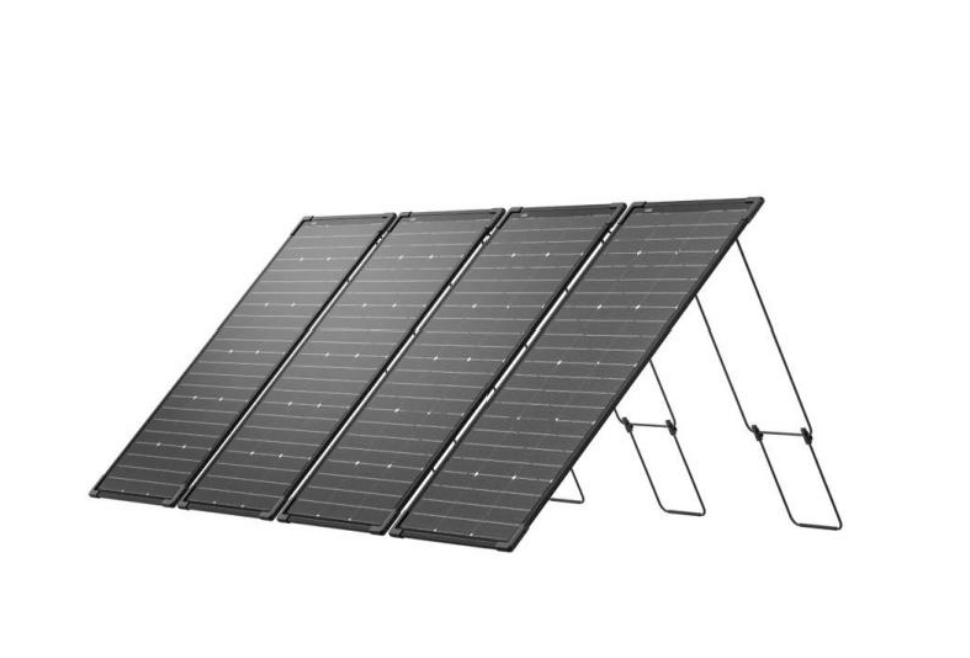
Monocrystalline solar panels use single‑crystal silicon cells, which give electrons a clear path to move. This design delivers higher efficiency, often above 20% in modern residential panels. Because they produce more power per square meter, you need fewer panels to reach your target system size.They usually appear dark black with rounded cell corners and a sleek look that many homeowners prefer. Monocrystalline panels generally cost more up front, but they handle limited roof space well and often retain strong performance over many years with solid warranties.
Polycrystalline Solar Panels
Polycrystalline solar panels use multiple silicon crystals in each cell, which slightly restricts electron flow. This reduces efficiency compared with monocrystalline panels, but it also lowers manufacturing cost. Their typical efficiency sits a bit lower, yet they still deliver reliable power for many homes.You can recognize them by their blue, speckled appearance and more square cell shapes. If you have plenty of roof or ground space and want to reduce the cost per watt, polycrystalline panels can be a practical and budget‑friendly option.
Tips to Improve Solar Panel Performance
Install Panels in the Best Location
Solar panels perform best when they receive direct sun for most of the day. For homes in the northern hemisphere, south‑facing roofs usually capture the most light, followed by southwest or southeast. Avoid chimneys, satellite dishes, and tall trees that cast shade, especially during midday.If your roof has limited good space, consider high‑efficiency panels to make each square meter count. For outdoor and portable systems, move panels several times a day to track the sun and avoid nearby obstructions.
Clean and Maintain Panels Regularly
Dirt, bird droppings, pollen, and leaves can block sunlight and reduce output. Plan a simple cleaning routine a few times a year, or more often in dusty areas. Use soft brushes or a sponge with clean water, and avoid harsh chemicals that might damage the glass or frame.Check for cracked glass, damaged cables, or loose mounting hardware while you clean. After big storms, inspect from the ground first for safety. Regular maintenance keeps panels efficient, extends their life, and helps you catch small issues before they become expensive problems.
Choosing the Right Solar Panels for Beginners
Compare Power Output and Efficiency Ratings
Start by checking the watt rating of each panel, such as 350 W or 420 W. Higher wattage means more power from one panel, but size and efficiency explain how it achieves that. Look at the efficiency percentage to see how well the panel converts sunlight into electricity.Compare panels of similar size: the one with higher efficiency produces more power per square meter. Consider both cost per watt and total system space to find a balance that fits your roof and budget.
Check Durability and Weather Resistance
Solar panels sit outside for decades, so build quality matters. Review the product datasheet for wind and snow load ratings that match or exceed your local conditions. Tempered glass, a sturdy aluminum frame, and high‑quality seals protect against moisture and mechanical stress.Look for certifications such as IEC standards, which indicate that the panel passed industry tests. Check the product warranty (covering defects) and performance warranty (covering power output over time). For coastal, desert, or very cold areas, pick panels specifically tested for corrosion, high heat, or extreme temperatures.

Conclusion
Solar panel efficiency directly affects how much electricity you get from each square meter of space. By understanding the differences between monocrystalline, polycrystalline, and thin‑film panels, you can match the right technology to your roof, yard, RV, or campsite.Good placement, clean surfaces, and basic maintenance keep real‑world performance close to the promises on the label. When you compare panels, do not stop at wattage. Study efficiency ratings, temperature behavior, durability, and warranty terms.Beginners who take time to learn these essentials make better choices, avoid overpriced or mismatched systems, and enjoy reliable solar power for many years. Whether you want to cut home energy bills or stay charged off‑grid, efficient solar panels form a solid foundation for a cleaner, more independent energy setup.