Portable power stations now sit beside flashlights and first-aid kits on many homeowners’ emergency checklists. These rechargeable battery systems promise quiet, clean backup power without gas, fumes, or constant maintenance. Many people compare them with traditional generators and wonder if they justify the cost for home backup. The answer depends on which devices you need to run, how often you lose power, and how long outages usually last. This guide explains why portable power stations are popular, their main benefits, and what they can realistically power at home so you can decide if they’re worth it.
Why More Homeowners Are Using Portable Power Stations?
Rising Power Outages and Emergency Preparedness
Utility grids face more stress from storms, heat waves, and aging infrastructure, so power outages now feel less rare and more routine. Homeowners want backup options that they can deploy quickly without complex installation. A portable power station answers that need. You charge it from the wall when times are calm, then keep it ready for unexpected blackouts or rolling outages. During emergencies, you can keep lights on, phones charged, and critical devices running, which gives peace of mind and supports basic safety at home.
Quiet and Indoor-Safe Backup Power Solutions
Traditional gas generators create noise, fumes, and safety concerns. You must keep them outside, store fuel, and manage exhaust. Portable power stations work differently. They rely on lithium or similar batteries, so they operate almost silently and release no emissions during use. You can safely use them indoors with windows closed, which helps in bad weather or dense neighborhoods. Their quiet operation also matters at night when families try to rest during long blackouts. This makes them practical for apartments, condos, and homes without outdoor generator space.
Key Benefits of Portable Power Stations for Home Backup
Reliable Backup for Essential Home Devices
A portable power station works best as targeted backup for essentials, not as a full-house replacement. You can keep phones, laptops, Wi‑Fi routers, LED lights, and medical devices running through many outages. Mid-capacity models can power a refrigerator, a CPAP machine, or a space for work and communication. The consistency of battery power means no voltage dips, easier starts for sensitive electronics, and less risk of damage. Homeowners gain control: they choose which circuits or devices matter most and allocate the power station’s capacity accordingly.
Fast Charging and Easy Power Access
Modern portable power stations charge quickly from a wall outlet. Many models support fast AC charging, so you can go from low to high capacity within a few hours before a storm hits. During an outage, built-in AC outlets, USB ports, and DC outputs give simple access for most devices without extra adapters. Clear displays show remaining battery and estimated runtime. This transparency helps you ration power, decide when to recharge, and avoid surprise shutdowns while keeping daily essentials running as long as possible.
Solar Charging for Long-Term Emergency Use
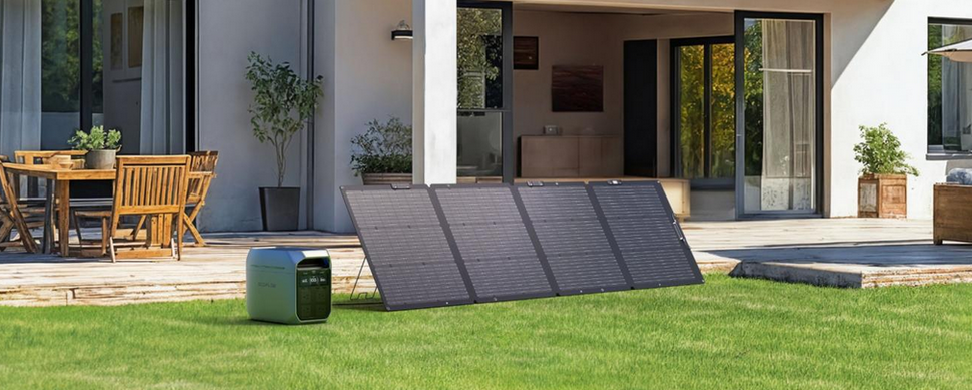
When outages stretch from hours into days, recharging becomes the key challenge. Portable power stations with solar input let you extend runtime far beyond the original charge. By connecting compatible solar panels, you can harvest daylight to top up the battery, even when the grid stays down. Output depends on panel size, sun strength, and weather, but many users gain enough energy to keep lights, communications, and a few appliances alive. This off-grid capability makes portable power stations more sustainable for long-term emergency backup.
What Can a Portable Power Station Run at Home?
Small Devices and Daily Electronics
Every portable power station can handle small electronics, and this is where they shine. Expect reliable power for smartphones, tablets, laptops, Wi‑Fi routers, battery packs, flashlights, cameras, and small fans. These items draw modest wattage, so even compact units can run them for many hours or charge them repeatedly. During an outage, you maintain communication, access news, and keep kids entertained. This level of backup also helps remote workers who need to protect work devices and stay online despite unstable grid power.
Kitchen Appliances and Refrigerators
Running kitchen appliances requires more capacity and careful planning. Many mid-range power stations can handle a standard refrigerator or mini-fridge for several hours to a day, depending on the fridge’s efficiency and your usage habits. Limit door openings to conserve power. Some units can also support a microwave, coffee maker, or induction cooker for short bursts, though these draw high wattage. Always check the appliance’s running and surge watt ratings against the power station’s limits before plugging in to avoid overload and shutdown.

Medical Equipment and Home Office Devices
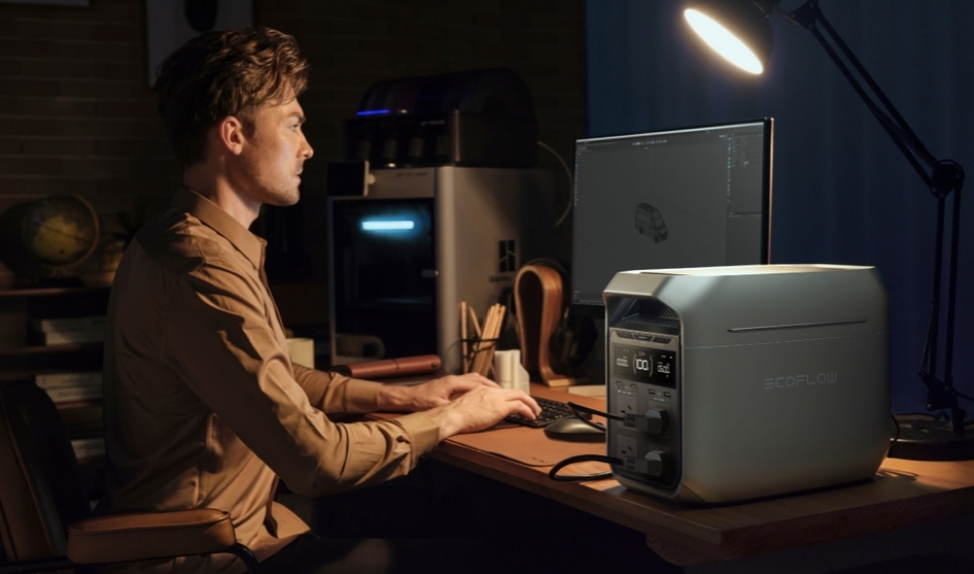
For households with medical equipment, a portable power station can provide vital backup. Many models can power CPAP machines, oxygen concentrators with modest draw, or nebulizers, at least for several hours. Always confirm the device’s wattage and consult healthcare providers for guidance. For home offices, a single unit can keep a modem, router, computer, and monitor running, letting you meet deadlines and maintain communication. Surge protection and stable voltage output also help protect sensitive electronics from damage during grid instability.
Conclusion
Portable power stations are worth it for many homeowners who want quiet, indoor-safe backup power for essential devices rather than full-house coverage. They excel at keeping communication, lighting, refrigeration, medical equipment, and home office gear running during outages. Their value grows when paired with fast wall charging and solar panels for longer emergencies. However, they do not replace whole-house generators for heavy loads like central air conditioning. By matching a power station’s capacity to your priority devices, you can build a flexible, practical home backup solution.