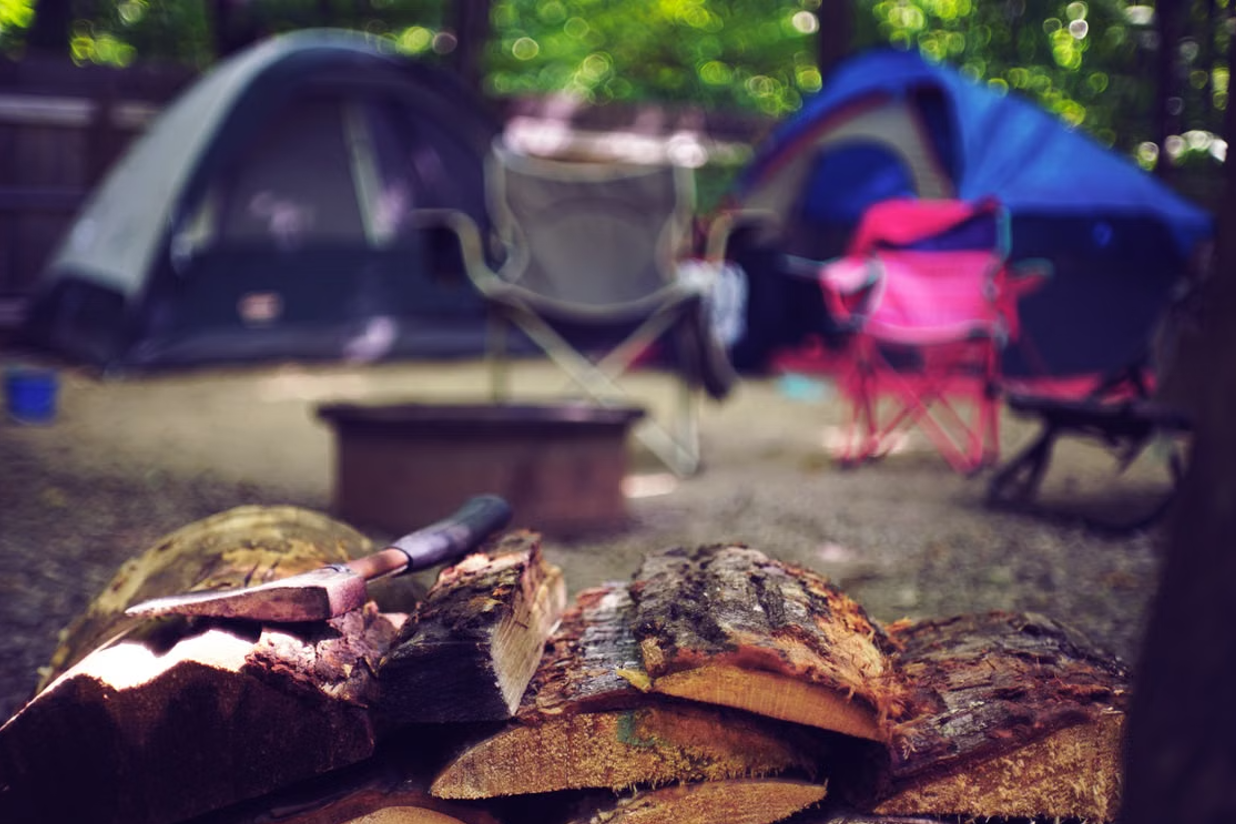
Canvas camping offers a middle ground between rugged outdoor adventure and real comfort. You still get campfires, fresh air, quiet mornings, and time in nature, but with more shelter, space, and ease than many standard tent setups provide. For travelers who want a camping trip to feel peaceful rather than exhausting, thoughtful planning makes all the difference.
Start with shelter
Your tent shapes the entire experience. If it feels cramped, struggles in wind, or leaks in the rain, even a beautiful campsite can become stressful. A quality canvas tent helps solve many of those problems by providing stronger weather protection, greater durability, and a roomier, cabin-like atmosphere than lightweight tents often can.
If you’re looking to buy something that feels both practical and welcoming, Wall Tent Shop is worth checking out. A spacious canvas tent gives you room to move, change clothes, store gear, and relax inside if weather shifts unexpectedly. That added comfort matters on a trip that is supposed to feel restful.
When selecting a tent, think beyond sleeping capacity. Consider wall height, overall floor space, and whether you want room for cots, chairs, or a small table. Extra room may seem unnecessary at first, but it becomes invaluable on rainy afternoons or chilly evenings when you spend more time indoors.
Pick the right spot
A good campsite makes nearly everything easier. Start by looking for flat ground so you can sleep comfortably without rolling downhill during the night. Check for roots, rocks, and depressions where rainwater could collect.
Shade is another important factor, especially in warm weather. A site with morning sun and afternoon shade often works best, giving you natural light early without overheating the tent later in the day. If water is nearby, enjoy the scenery but avoid camping too close. Lakes, rivers, and streams often attract more bugs, and a little distance usually means a more comfortable stay.
Privacy also contributes to the cozy feeling. Try to camp away from roads, loud groups, and heavily used trails. At the same time, nearby activities can improve the trip. A short walk to a lake, scenic viewpoint, or easy hiking path gives you options without turning the weekend into a demanding itinerary.
Pack for comfort
Comfort depends heavily on what you bring. Start with sleep, since rest affects the whole trip. A thick sleeping pad or cot can make a huge difference, and warm blankets help the tent feel inviting. If you can, bring a pillow from home. That familiar touch often makes sleeping outdoors much easier.
Clothing should be packed in layers to handle changing temperatures. Bring breathable basics such as T-shirts, along with a hoodie or fleece, comfortable pants, and several pairs of dry socks. Layering lets you adjust to cool mornings, mild afternoons, and colder evenings without overpacking.
Lighting also shapes the mood after sunset. Lanterns and headlamps are essential, but softer light makes camp feel warmer and more relaxing. A small string light or a lantern with a gentle glow can turn a plain shelter into a cozy retreat.
Do not overlook camp chairs. A supportive chair makes reading, eating, talking, or sitting by the fire much more enjoyable. Organization helps too. Use bins, tote bags, or packing cubes so dry clothes, flashlights, and toiletries are easy to find. When everything has a place, camp feels calmer and less chaotic.
Create a cozy setup
Once the tent is pitched, turn it into a space you actually want to spend time in. Begin by setting up the sleeping area first. Making beds and arranging blankets right away helps camp feel settled from the start.
A small rug by the entrance helps cut down on dirt and instantly adds a homey touch. If space allows, create a simple sitting area with a couple of camp chairs and a folding table. That small setup can serve as a breakfast spot, a place for games, or an evening corner for lanterns and warm drinks.
Soft lighting matters here as well. Lantern light bouncing gently off canvas walls feels much more inviting than a harsh flashlight beam. Keep your gear grouped by category too: cooking supplies in one area, clothing in another, and nighttime essentials within easy reach. The goal is not luxury. It is to create a setup that feels functional, restful, and welcoming.
Plan simple meals
Camping meals should be satisfying without creating extra work. The easiest way to keep food stress low is to prep at home. Chop vegetables, marinate meat, portion snacks, and pack ingredients in labeled containers before you leave. This reduces mess and makes mealtime simpler.

For dinner, one-pot and one-pan meals work especially well. Sausage with peppers, chili heated on a stove, or foil packet potatoes are easy and filling. Breakfast can be just as simple with oatmeal, eggs, yogurt, or make-ahead breakfast burritos.
Pack quick snacks for between activities. Trail mix, fruit, crackers, granola bars, and cheese are convenient and keep everyone happy without much effort. Warm drinks add comfort too, especially on cold mornings. Coffee, tea, or hot cocoa can make the day start much better.
It also helps to organize your cooler by day or by meal so you are not constantly digging through ice every time someone wants something. Keeping meals simple means less cleanup and a more relaxed trip overall.
Dress for weather
Outdoor weather can change quickly, so staying cozy means dressing with flexibility in mind. Layers work better than depending on one heavy jacket. Start with a breathable base layer, add a warm middle layer like fleece, and keep a waterproof outer layer ready in case conditions change.
Cool mornings can feel surprisingly sharp, even after a mild night. A beanie, fleece, and dry socks often solve that quickly. By afternoon, a T-shirt and sun hat may be enough. Layering allows you to adapt without bringing an excessive amount of clothing.
Rain gear matters even when the forecast looks clear. Pack a lightweight waterproof jacket and shoes that can handle wet ground. It is also wise to keep one complete outfit sealed in a dry bag so you always have something clean and dry if the weather turns.
You do not need to overpack. You just need practical clothing that works together and keeps you comfortable in changing conditions.