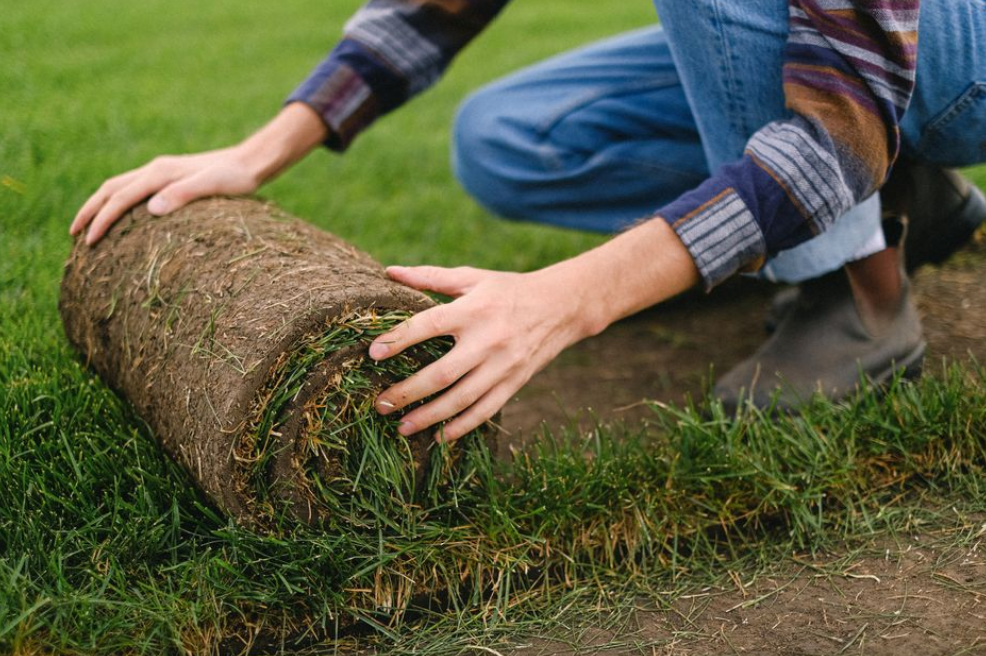
Your yard can change the whole mood of your home before anyone even reaches the front door. In a place like Tampa, where heat, rain, and humidity all like to make surprise appearances, a healthy lawn is not just decoration. It affects curb appeal, weekend use, drainage, and even how much dirt gets tracked inside. If you’ve been staring at patchy grass that looks one sprinkler cycle away from giving up, it helps to know what actually works and what tends to waste time and money.
When New Sod Makes More Sense Than Repairing Old Grass
Sometimes patching and reseeding can work. Sometimes it turns into a slow, expensive cycle that delivers the visual charm of a tired doormat. If more than a third of your lawn is struggling, replacement often gives you a cleaner and faster reset.
New sod tends to make sense when:
– Large sections are dead or badly thinned out
– Weeds have taken over most of the yard
– The lawn has drainage or grading issues that need correction
– You want a fast visual upgrade before hosting or selling
– Your current grass type is a poor fit for your property
Professional sod installation in Tampa can be especially useful when you want the lawn to establish evenly and match local conditions. The process is not just about laying down fresh green squares and hoping for the best. Proper soil prep, grass selection, placement, and watering schedules all affect how well the lawn takes root.
That matters because poorly installed sod can dry out, separate, or struggle almost immediately. A good install gives you a head start instead of a lawn-shaped headache.
What a Healthy Lawn Really Does for Your Home
A lawn does more than make your house look polished in listing photos. It shapes how you use your outdoor space every day. When your grass is dense and even, your yard becomes more practical for pets, kids, barbecues, and the random Tuesday evening when you just want to sit outside for ten minutes.
A strong lawn also helps with:
– Reducing muddy spots after heavy rain
– Cutting down on dust and loose soil
– Making outdoor areas feel cooler underfoot
– Improving first impressions for guests or buyers
– Creating a cleaner edge around patios, walkways, and flower beds
In Tampa, lawn issues can escalate fast. One week you’ve got a few thin spots. Then heat, shade, bugs, or poor drainage pile on, and suddenly the yard looks like it lost an argument with the weather. Grass is not exactly dramatic, but it does react to conditions quickly.
A healthier lawn can also support better landscape planning overall. When the turf is stable, you can actually judge what your yard needs next, whether that means better irrigation, fresh mulch, or trimming back plants that are hogging sunlight.
Why Lawns Can Be So Tricky to Manage
If lawn care feels harder in Florida, that’s because it usually is. Tampa lawns deal with a mix of intense sun, sandy soil, sudden downpours, high humidity, and long growing seasons. That combination can be great for grass growth, but only when the right variety is installed and maintained the right way.
A few common local lawn problems include:
– Uneven growth from partial shade and strong sun exposure
– Compacted or nutrient-poor soil
– Water pooling after storms
– Weed pressure that spreads quickly
– Pest and fungus issues during humid months
You also have the salt-air factor in some areas, plus irrigation challenges when rainfall is inconsistent. A lawn can look fine in early spring and rough by midsummer if the grass type does not match the site conditions.
That’s one reason many homeowners stop trying to revive a failing yard with scattered seed, fertilizer experiments, and hopeful YouTube confidence. In warm climates, installation quality matters a lot. So does timing. So does prep work. Basically, grass has standards.
How to Choose the Right Sod for Your Yard
Not all grass is built for the same job. Some varieties hold up better to foot traffic. Some do well in sun but struggle in shade. Others are picked for texture, color, or drought tolerance. Choosing based on looks alone can backfire pretty fast.
When deciding on sod, think about:
– How many hours of direct sun the yard gets
– Whether you have pets or heavy use from kids
– Your irrigation setup and watering habits
– How much maintenance you’re willing to handle
– Soil conditions and drainage patterns
In the Tampa area, St. Augustine is popular for a reason. It handles heat well and gives that classic full-lawn look many homeowners want. Still, it is not automatically the best fit for every property. Some yards need a different solution depending on shade, wear, or budget.
Ask practical questions before installation. Will this grass recover well from traffic? Does it need frequent mowing? How vulnerable is it to common pests? You are not just choosing a color. You are choosing an ongoing maintenance relationship, and some lawns are definitely higher maintenance than they first appear.
What to Expect During the Installation Process

A solid sod job starts long before the grass arrives. The prep stage is where many lawn projects either succeed or quietly start failing. Existing weeds and dead turf need to be removed. The ground should be leveled, loosened, and checked for drainage problems. In some cases, soil amendments are needed to help roots establish properly.
A typical installation process includes:
– Clearing out old grass and debris
– Grading and leveling the yard
– Preparing or improving the soil base
– Laying sod tightly with staggered seams
– Rolling the surface for good root contact
– Watering immediately after installation
After that, maintenance becomes critical during the first few weeks. Fresh sod needs consistent watering without turning the yard into a swamp. Foot traffic should stay minimal while roots knit into the soil.
This early window is where patience pays off. You may want to test the lawn right away with a party, a dog sprint, or patio furniture rearranging. Hold off. New sod is still settling in, and giving it time to establish properly makes a visible difference.
How to Keep Your New Lawn Looking Good Long Term
Once the sod is established, your focus shifts from installation to maintenance. A good-looking lawn does not need constant obsession, but it does need consistency. The basics matter more than flashy products with labels that sound like they belong in a science fiction movie.
For long-term lawn health, stick with habits like:
– Watering deeply and on a smart schedule
– Mowing at the correct height for your grass type
– Keeping blades sharp to avoid tearing the grass
– Fertilizing based on seasonal needs, not guesswork
– Watching for early signs of weeds, bugs, or fungus
It also helps to pay attention to what your yard is telling you. Yellowing can point to drainage or nutrient issues. Bare patches may signal compaction, pests, or too much shade. A lawn usually drops hints before it fully gives up.
If your goal is a yard that looks better and works better, treat lawn care as part of your home’s upkeep rather than a once-a-year cosmetic fix. A well-installed lawn gives you the foundation. The ongoing routine keeps it from sliding back into the patchy before-photo version of itself.
A great yard does not need to look artificial or overmanaged. It just needs to feel healthy, usable, and suited to the way you actually live.