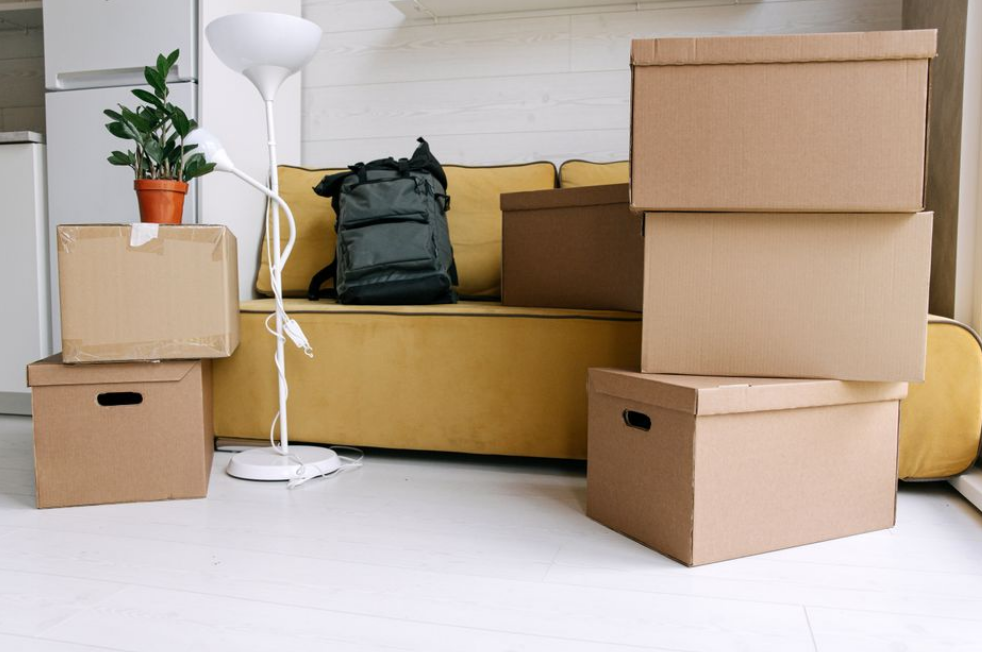
When you move, you’re not just changing your address. You’re stepping into a new relationship with space, routine, and design. A home can look perfect in photos and still feel awkward once your furniture lands in the wrong corners. If you’re relocating in Florida, that challenge gets even more interesting because climate, layout trends, and lifestyle all influence how a place works day to day. A smart move can protect your belongings and help you settle into a home that actually fits you.
Choosing Help That Fits the Real Demands of Relocation
A good move depends on timing, planning, and not pretending you can carry a marble-top table down three flights of stairs with pure confidence. If you’re looking for a moving company Florida has several local professionals who can help with packing, transportation, and logistics while navigating the unique demands of moving within the state.
That matters more than people expect. Condo rules, elevator reservations, summer heat, and seasonal traffic can complicate even short-distance moves. Professional movers who understand the area often know how to handle those details without turning moving day into a full-contact sport.
You should still ask specific questions before booking:
– Are packing services included?
– How are fragile items protected?
– Do they handle stairs or long carries?
– What insurance coverage is available?
The right help saves your furniture, your schedule, and probably your back.
Why a Move Changes More Than Your Floor Plan
A move tends to expose how attached you are to your current setup. You might think you love your oversized sectional until it refuses to fit through a stairwell or dominates a smaller living room like an unpaid celebrity guest.
Shifting homes changes how you use light, storage, traffic flow, and even sound. High ceilings look impressive, but they can make a room feel sparse if your furniture is scaled for a lower, cozier space. Open layouts can feel freeing, though they also demand more intentional placement.
If you care about architecture and aesthetics, moving becomes part design problem, part logistics exercise. The practical side matters just as much as taste. Wall dimensions, window placement, and hallway width can either support your style or quietly sabotage it before you’ve unpacked the coffee maker.
Florida Homes Come With Their Own Design Logic
If you’re moving within Florida or heading there for the first time, local housing styles have a distinct rhythm. Coastal homes often lean into light colors, durable materials, and breezier layouts. Inland properties may offer more square footage, different lot sizes, and less emphasis on oceanproof finishes.
Humidity is not subtle. It affects wood furniture, artwork, rugs, and electronics. A beautiful vintage dresser can warp if it ends up in a poorly ventilated room. Large windows bring in the sunshine you wanted, but they can also fade fabrics faster than expected.
Florida also has practical details that shape design choices:
– Tile flooring is common and easy to clean
– Screened patios extend living space
– Storage can be limited in older properties
– Hurricane considerations affect windows and outdoor furniture
You’re not just decorating a home in Florida. You’re adapting to a climate and building style that influence what works long term.
How to Protect the Visual Identity of Your Home During a Move
Moving can flatten your sense of style if you treat every object like cargo instead of part of a bigger visual system. Your home’s look comes from relationships between pieces: scale, color, material, spacing, and function. Once those pieces are boxed up, it’s easy to lose track.
Take photos of each room before packing. Not because your old apartment was sacred, but because images help you remember what balanced the space. Maybe your reading chair worked because it sat near natural light, or your shelves looked clean because you left negative space instead of filling every inch.
Label boxes by room and category, not just by vague survival phrases like “misc.” Keep hardware in sealed bags taped to furniture or packed in clearly marked containers. If you have artwork, mirrors, or sculptural decor, wrap them according to material rather than shape alone. A framed print and a ceramic lamp might be similarly sized, but they do not want the same packing strategy.
Layout Mistakes People Notice Only After Unpacking
The most common moving mistake isn’t damage. It’s recreating your old layout without paying attention to the new architecture. That habit can make a fresh home feel strangely off, even when the rooms are objectively better.
A few examples show up all the time. People center furniture around a TV when the room’s best feature is the window wall. They push everything against the edges, hoping the room feels bigger, then end up with dead space in the middle. They keep a dining table that technically fits but blocks the natural walking path.
Watch for these issues when you set up:
– Furniture that interrupts sightlines
– Rugs that are too small for the seating area

– Tall pieces crowding low ceilings
– Poor lighting in functional zones
– Storage that looks tidy but works badly
A home should feel usable first, stylish second. Ideally, you get both.
What to Edit Before You Bring Everything Into the New Place
Relocation gives you a rare chance to edit your surroundings before clutter settles in and claims squatter’s rights. Not every object deserves to make the trip. Some pieces cost more to move than they’re worth in the new space, either financially or visually.
Start with bulky furniture, duplicate kitchen gear, worn textiles, and decor that no longer matches how you want the home to feel. If your next place has a cleaner architectural style, heavily ornate pieces may fight the setting. If the new home is larger, tiny accent furniture can look scattered and apologetic.
Useful questions help you decide fast:
– Does this fit the new dimensions?
– Will you actually use it there?
– Is it durable enough for the climate?
– Does it support the look you want now?
Editing before the move cuts labor, reduces stress, and makes the new space feel intentional from the first week.
Settling In With More Purpose and Less Chaos
Once the boxes arrive, the temptation is to unpack everything immediately and deal with the details later. That usually leads to crowded surfaces and decisions made out of exhaustion. A better approach is slower and more strategic.
Set up the rooms that shape daily life first: bedroom, bathroom, kitchen, and main seating area. Then pause. Live with the layout for a day or two before hanging art or buying new furniture. Homes reveal themselves through use. You’ll notice where shoes pile up, where light gets harsh in the afternoon, and where you keep dropping your bag.
Moving well isn’t only about transport. It’s about paying attention to how architecture meets routine. When you plan for both, the result feels less like a temporary landing zone and more like a place that already knows how you live.