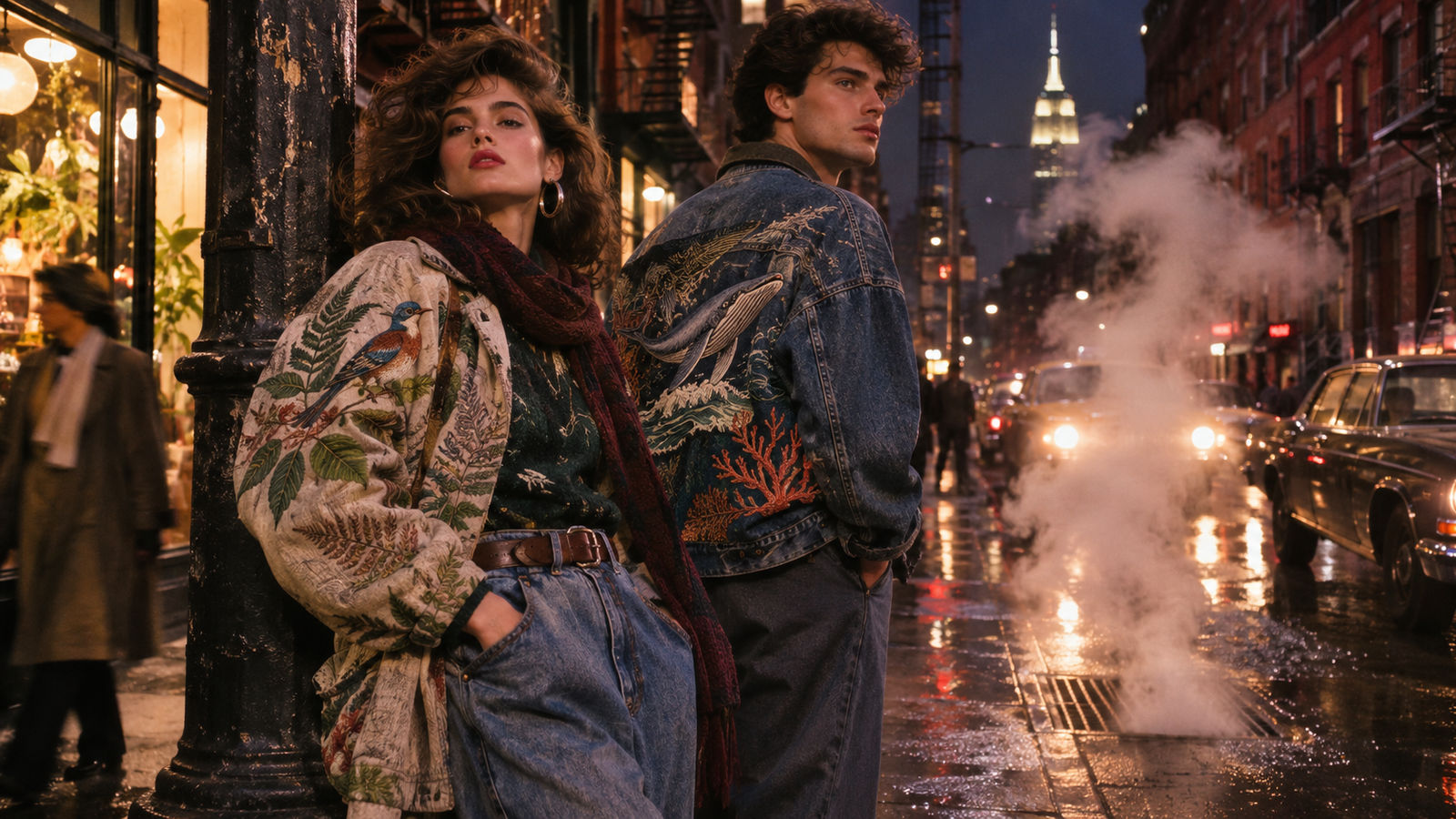
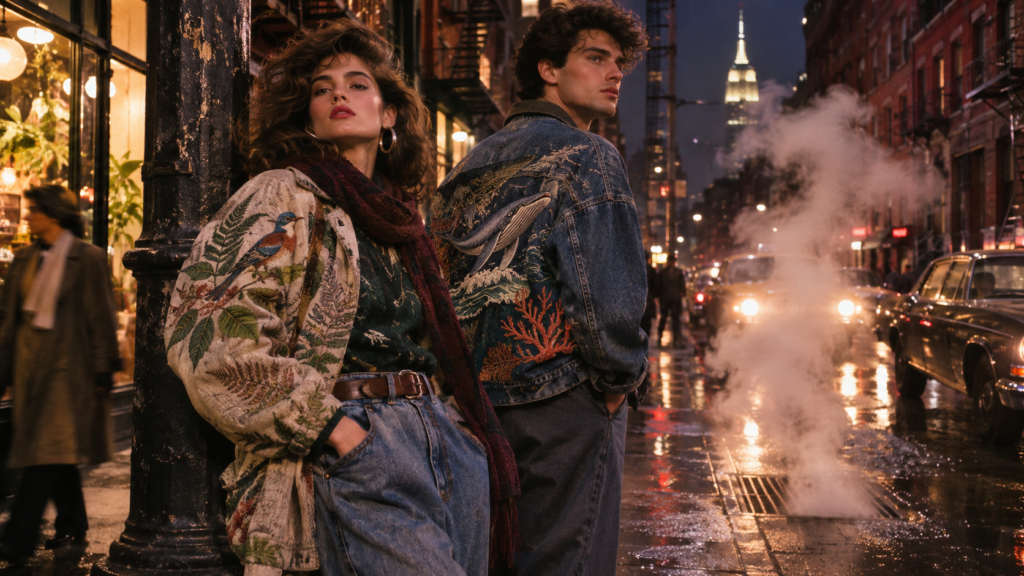
You might admire marine paintings inside quiet museums, then step outside and forget them before lunch. Coastal illustrators and outdoor designers now move biodiversity art off gallery walls onto functional clothes you wear every week.
When ecological storytelling meets durable technical gear, your sun shirt becomes a daily conversation starter. Your wardrobe choices directly fund coastal habitat restoration while keeping ocean wildlife visible in ordinary spaces.
https://www.pexels.com/photo/person-holding-of-a-magnifying-glass-on-a-green-leaf-6034381/
Why Does Wildlife Art Inspire You to Protect Nature?
Long before smartphones filmed underwater life, botanical and wildlife illustrators shaped how communities valued coastlines. Detailed drawings turned distant estuaries into familiar habitats you felt proud to defend.
Scientific charts rarely stir emotion alone, whereas a hand-drawn sea turtle sparks instant curiosity. Your memory holds vivid species portraits much longer than dry data.
Coastal illustrators bridge that emotional gap with every thoughtful brushstroke. They help you picture real marine animals relying on clean shallows and healthy reefs right now.
Moving Marine Illustration Off Gallery Walls
Framed art usually stays tucked inside quiet galleries where only a few collectors visit. Printing those exact illustrations onto sun-protective shirts brings coastal beauty straight into parks, marinas, and neighborhood cafes.
You act as a casual ocean ambassador whenever you wear an illustrated garment. Friends notice a painted seahorse on your sleeve long before anyone mentions marine policy.
That casual visibility makes stewardship feel welcoming rather than preachy. Instead of ignoring grim news alerts, neighbors naturally ask you about the artwork and its habitat.
How Do Designers Translate Sea Life Onto Technical Fabrics?
Adapting intricate brushstrokes for outdoor textiles takes patience and careful graphic planning. Illustrators preserve fine details like loggerhead turtle scales, manatee curves, and delicate coral branches on stretchy cloth.
Modern dye-sublimation printing locks pigment into breathable fibers rather than coating shirts with heavy ink. When you choose eco-conscious performance apparel, marine artwork flexes comfortably with your shoulders while blocking harsh ultraviolet rays outdoors. This process keeps detailed illustrations crisp through salt spray, sweat, and repeated washes.
Durability matters because you reach for comfortable UPF shirts more often than delicate souvenirs. Wearing reliable gear weekly keeps coastal conservation visible throughout your routine.
What Makes Coastal Species Motifs Resonate With Wearers?
Generic beach clip art fades quickly, while authentic biological illustration grabs your attention. Designers earn trust by studying real species anatomy and coastal habitats before sketching.
- Spot biological accuracy: Look for realistic sea turtle shells, coral textures, and mangrove roots reflecting true ecology.
- Celebrate native wildlife: Choose regional species like manatees or seahorses to connect your wardrobe with local waters.
- Spark easy dialogue: Pick expressive brushwork inviting friends to ask about the creatures on your shirt.
Thoughtful illustration shows genuine care for the animals swimming beneath coastal tides. Recognizing a real local species printed on your sleeve makes the entire garment feel personal.
Recognizable species turn broad conservation goals into living neighbors worth protecting. You defend coastal waters more actively once you know the wildlife living there.
How Does Wearable Art Fund Mangrove Restoration?
Visual storytelling works best when each garment directly finances active coastal fieldwork. Dedicated outdoor brands tie every shirt you buy to planting new mangrove saplings along vulnerable shorelines.
That steady funding builds on a hopeful global trend already underway. Data from the Global Mangrove Alliance shows global mangrove deforestation slowed dramatically, dropping by 44% between 2000 and 2020.
Every planted tree grows tangled underwater roots that shelter baby fish, filter runoff, and buffer storm surges. Your purchase turns illustrated clothing into real, measurable coastal recovery.

Turning Daily Outdoor Gear Into Ocean Advocacy
You never need a marine biology degree to support healthier oceans. Wearing conservation art on a morning paddle or grocery run invites friendly curiosity without pressuring anyone.
People usually admire a coral reef or seahorse print before asking where you found it. That question gives you an easy opening to explain how the garment funds restoration.
Small exchanges like these ripple through boat ramps, surf shops, and hiking trails across your town. Everyday habits quietly normalize coastal stewardship wherever your week takes you.
How Do You Spot Authentic Conservation Apparel?
Not every ocean-themed shirt backs up its pretty artwork with genuine environmental action. Before buying, check whether a brand shares clear planting logs, restoration partners, and local project updates.
Check artist credits closely to verify that real illustrators crafted original species pieces. Independent creators bring ecological accuracy and genuine heart that stock templates never replicate.
Prioritize sturdy recycled textiles and strong UPF ratings so your favorite shirt lasts for seasons. Buying durable pieces cuts textile waste while extending every conservation story.
https://www.pexels.com/photo/unrecognizable-hand-touching-tree-trunk-covered-with-green-moss-10484706/
Functional design carries far deeper cultural meaning when visual artistry directly underwrites coastal ecosystem preservation. By pairing hand-drawn marine species with rugged sun protection, creators turn simple shirts into restoration tools.
Next time you pack for a sunny afternoon near the water, think about the story your shirt tells. Choosing wearable conservation art keeps you comfortable outdoors while helping fragile coastlines thrive.