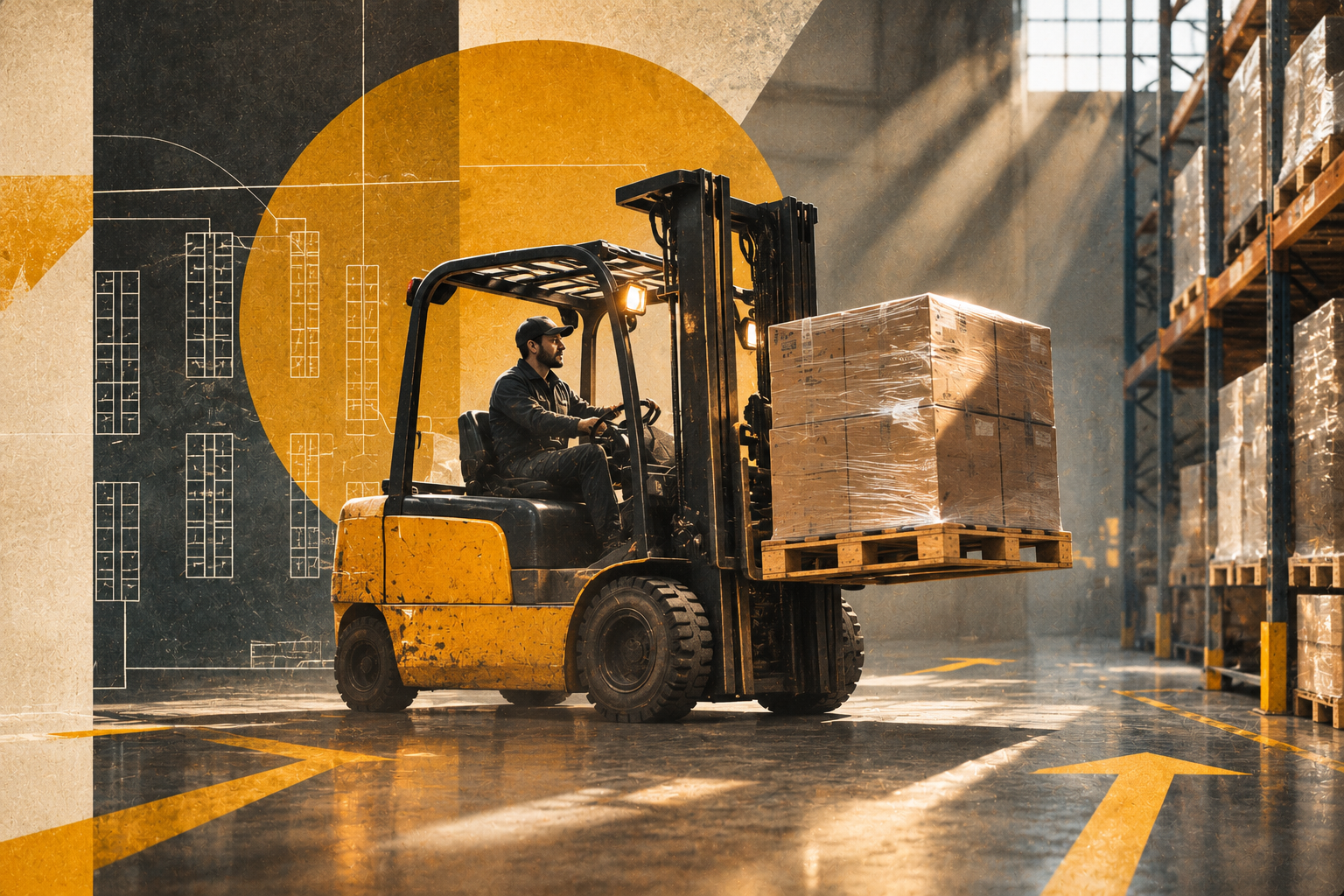
A small warehouse depends on equipment that works when it’s needed. When a forklift suddenly stops operating, the disruption can spread quickly. Pallets remain in receiving areas, orders wait for dispatch, and employees lose valuable time finding workarounds.
The problem is rarely limited to the broken component. A delayed repair can affect inventory movement, labor schedules, customer commitments, and operating costs. For businesses with limited backup equipment, even a minor mechanical issue can become a serious operational setback.
The answer isn’t simply ordering replacement parts faster. It’s recognizing warning signs, identifying the correct components, and building a maintenance process that reduces unnecessary downtime.
One Failed Component Can Disrupt the Entire Warehouse
Forklifts support several essential warehouse activities, from unloading deliveries to replenishing shelves and preparing outbound orders. When one truck becomes unavailable, the effects can reach every part of the operation.
A leaking hydraulic seal, damaged mast roller, faulty starter, or worn brake component may take equipment out of service. Employees then have to reorganize tasks around the remaining machines. Workloads shift, picking slows down, and shipments may miss their planned departure times.
The impact can be particularly serious in smaller facilities. Larger operations may have spare trucks or dedicated maintenance teams. A small warehouse often has fewer resources and less flexibility.
There is also a risk of overlooking secondary problems. When equipment continues operating with a developing fault, related components may experience additional stress. What could have been a straightforward replacement may eventually require a more extensive repair.
Treating equipment reliability as part of daily operations helps prevent these problems from becoming routine.
Verify Compatibility Before Ordering Replacement Parts
When a forklift is out of service, ordering a replacement quickly becomes a priority. But speed means little if the wrong component arrives.
Forklift models can have different configurations, even when they look almost identical. Filters, electrical connectors, bearings, hydraulic seals, sensors, and other components may vary according to the truck’s production year and specifications.
Before placing an order, confirm the equipment’s make, model, serial number, and relevant configuration. Check the original parts documentation and verify the component’s specifications. Attachments, mast arrangements, engine types, and previous modifications may also affect compatibility.
This is particularly important when sourcing Yale forklift parts. The correct replacement depends on the specific truck and its configuration, not simply the brand name. Accurate identification helps prevent unnecessary returns, installation delays, and repeat repairs.
Keep equipment records accessible to both technicians and purchasing staff. A reliable identification process can save considerable time when an unexpected failure occurs.
Recognize the Warning Signs Before Equipment Stops
Forklift components often show signs of wear before they fail completely. The challenge is making sure employees recognize those changes and report them promptly.
Unusual hydraulic noise, slower lifting, fluid leaks, inconsistent steering, difficulty starting, and changes in braking performance all deserve attention. Operators should also report unexpected vibration, uneven fork movement, damaged tires, and warning indicators that appear intermittently.
These symptoms don’t always identify a specific failed component. A qualified technician needs to investigate the underlying cause. However, early reporting gives maintenance teams a better opportunity to diagnose problems before they cause a complete shutdown.
A documented pre-shift inspection is a practical starting point. The OSHA forklift pre-operation guidance outlines important checks and explains when defective equipment must be removed from service.
Encourage operators to describe what they notice rather than simply reporting that a truck isn’t working properly. Details about when a symptom occurs, how frequently it appears, and whether performance has changed can help technicians investigate more efficiently.
Build a Replacement Parts Process That Works
Small warehouses don’t necessarily need complex inventory software to improve parts management. They need a consistent way to track equipment, repairs, and recurring replacement requirements.
Start by reviewing the components your forklifts need most frequently. These may include filters, tires, lights, brake components, electrical connectors, hydraulic hoses, and other items identified through service records.
Record the date of each repair, the reported symptoms, the component replaced, and the time required to obtain it. Over several months, this information can reveal patterns that aren’t obvious when each breakdown is treated as an isolated incident.
You may discover that certain components wear faster because of demanding operating conditions. Repeated tire damage, for example, could point to rough flooring or debris around loading areas. Recurring electrical problems may require a closer inspection of connections and maintenance practices.
Use these findings to decide which parts deserve a small on-site reserve. Frequently needed items with long or unpredictable lead times may justify stocking. Expensive, rarely used components may be better ordered when required.
The objective is to reduce avoidable waiting without tying up money in unnecessary inventory.
Don’t Let Cheap Replacements Create Bigger Problems
When budgets are tight, inexpensive replacement parts can seem like an attractive solution. However, a low purchase price doesn’t necessarily represent good value.
An unsuitable electrical component may cause intermittent faults. A poorly matched hydraulic seal may fail prematurely. A replacement that doesn’t meet the equipment’s required safety specifications can create risks that extend beyond repair costs.
The focus should be on compatibility, quality, and suitability for the intended application. Check supplier information, component specifications, and manufacturer recommendations before approving a purchase.
Safety must remain the priority throughout the repair process. Under OSHA’s powered industrial truck standard, replacement parts must be equivalent in safety to those used in the original design. The standard also requires unsafe equipment to be removed from service and repairs to be performed by authorized personnel.

For additional guidance, review the OSHA powered industrial truck maintenance requirements. Follow the applicable regulations in your jurisdiction and the manufacturer’s maintenance instructions.
Give Operators and Technicians Clear Responsibilities
A reliable maintenance process depends on communication between the people using equipment and those responsible for repairing it.
Operators spend hours working with forklifts and are often the first to notice changes in performance. Technicians can investigate reported symptoms, identify the underlying fault, and determine which components need replacement. Supervisors help prioritize repairs and coordinate equipment availability.
These responsibilities should be clear. Operators need a straightforward reporting process, while maintenance staff need access to accurate equipment records and service history.
Avoid allowing minor issues to disappear between shifts. A fault reported by one operator should be visible to the next shift and the maintenance team. This reduces repeated troubleshooting and helps prevent equipment from returning to service before the problem is properly addressed.
Regular communication also helps managers distinguish between isolated failures and recurring maintenance issues.
Prepare for Downtime Before It Happens
Even well-maintained forklifts can develop unexpected faults. A small warehouse cannot eliminate every interruption, but it can reduce the time needed to recover.
Identify which equipment supports the most critical operations. Consider what happens if that truck becomes unavailable during receiving, replenishment, or dispatch. If another suitable machine is available, establish how work can be reassigned safely. If there is no backup, identify dependable repair support and realistic parts lead times.
Keep essential supplier contacts, equipment specifications, and service records in an accessible location. Make sure purchasing approvals can be handled promptly when a repair is genuinely urgent.
These preparations don’t require a large maintenance department. They require managers to understand where the operation is vulnerable and make decisions before a breakdown exposes those weaknesses.
Keep Small Repairs From Becoming Major Disruptions
A forklift part failure can affect far more than the machine itself. It can interrupt warehouse workflows, increase labor costs, delay shipments, and place additional pressure on an already busy team.
The most effective response starts before anything breaks. Encourage thorough inspections, take unusual symptoms seriously, maintain accurate equipment records, and verify compatibility before ordering replacements.
You may not be able to prevent every mechanical problem, but you can control how prepared your warehouse is to handle one. With a practical parts strategy and clear maintenance responsibilities, a small repair is far less likely to turn into a week-long operational disruption.