It’s a question older than the selfie, older than the Polaroid, older than color film itself. Is photography art? For more than a century, critics, painters and even judges argued about it. Some said a camera was just a machine that copied the world. Press a button, get a picture. Where’s the art in that?
The answer, it turns out, is simple. Yes. Photography is art. Not because a museum says so, and not because a print sells for millions at auction. It’s art for the same reason painting is: because a person stands behind it and makes choices. Here’s why.
1. Every Photograph Is a Decision
The camera doesn’t choose. The photographer does.
A camera can’t decide anything on its own. It doesn’t know where to stand, when to wait, or what to leave out of the frame. Every photograph is a stack of small decisions: the light, the angle, the moment, the distance between the lens and the face. Change one of them and you get a different picture. Change all of them and you get a different story.
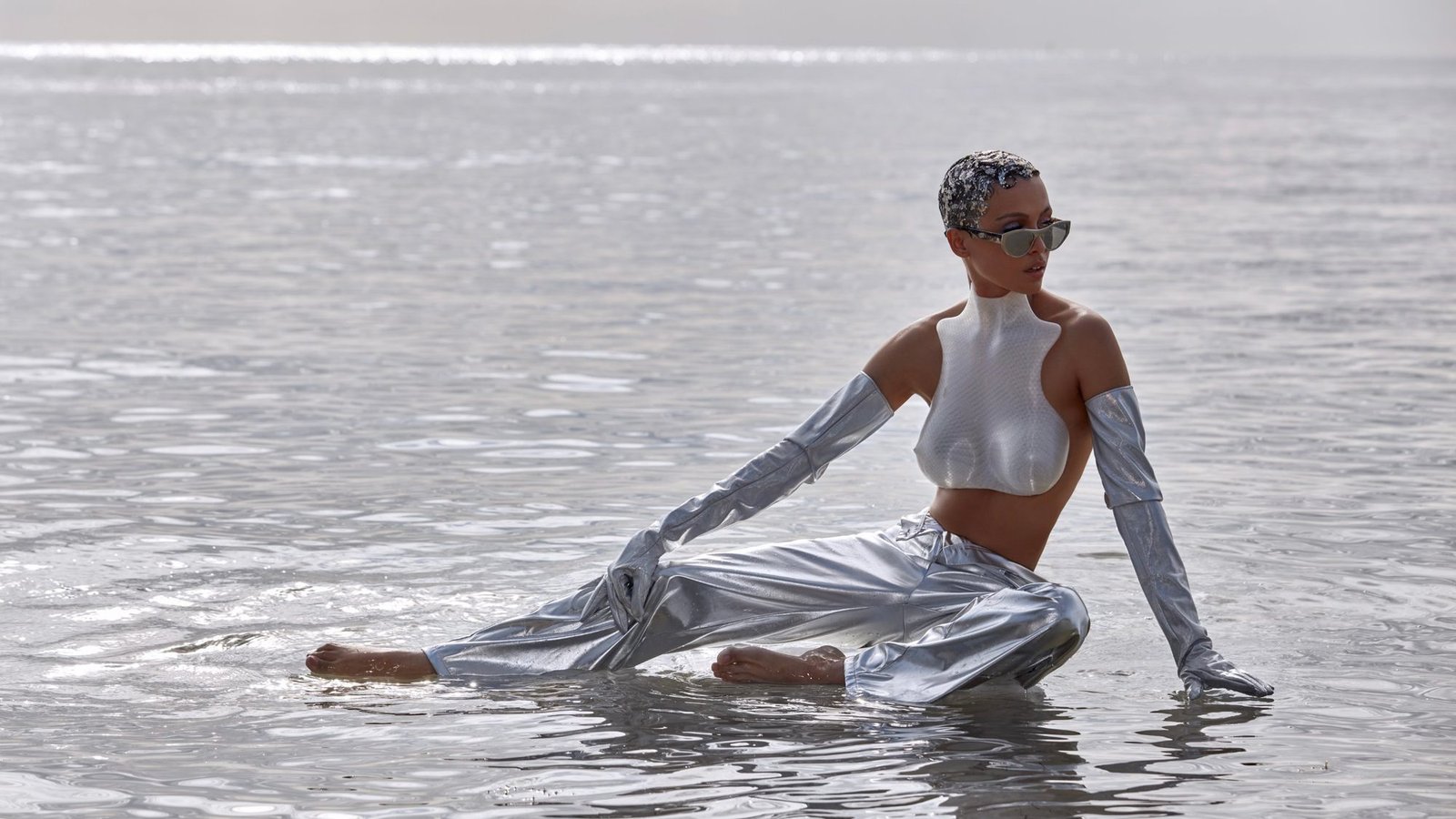
Nowhere is this clearer than in a modern fashion shoot. Before a single frame is taken, there is a concept, a mood board, a location, styling, makeup, and hours of planning. If you have ever wondered how much thinking goes into one magazine spread, this guide walks through how an editorial photo shoot is built from the first idea to the final image. It reads less like a technical manual and more like a description of how a painter prepares a canvas.
That is the first and most important reason photography is art. The machine doesn’t make the picture. It’s the mind behind it.
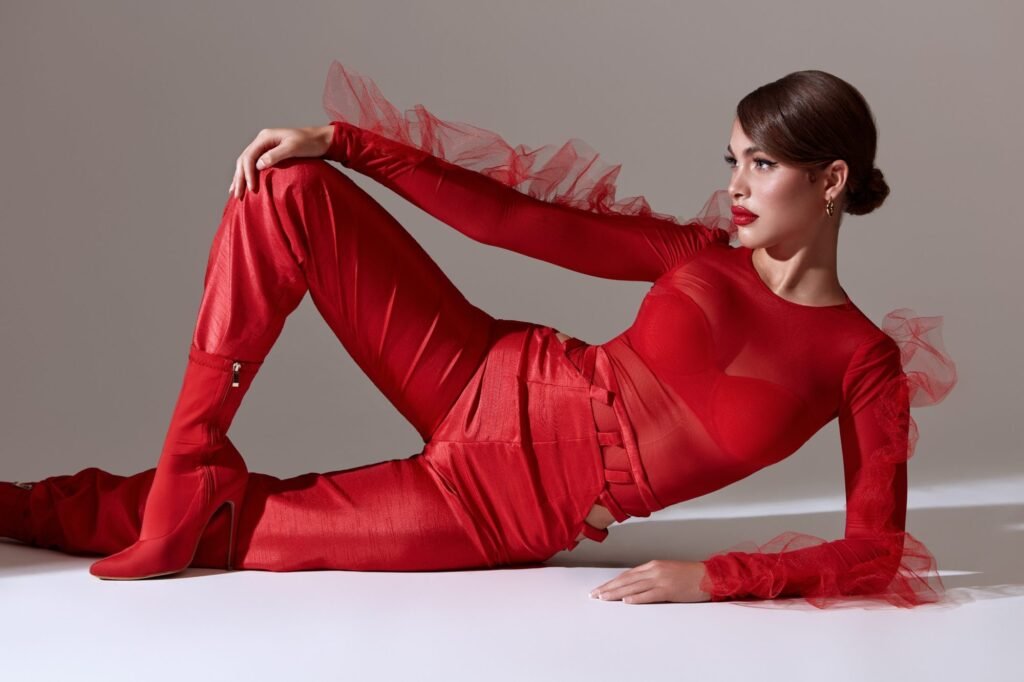 Photo: Daria Koso
2. The Supreme Court Already Said So
How a portrait of Oscar Wilde settled the argument in 1884.
In January 1882, a young Oscar Wilde walked into the New York studio of Napoleon Sarony, the most famous celebrity photographer of his day. Sarony posed him carefully: the long coat, the book in his hand, the dreamy, slightly bored look. One of the pictures from that session became known as “Oscar Wilde, No. 18.”
Then a lithography company started printing copies of it without permission and using it to advertise department stores. You can still see one of those cheeky advertising cards today. Sarony sued. The company’s defense was bold: a photograph, they said, is not art at all. It’s just a mechanical copy of whatever stands in front of the camera, so nobody can own it.
The case went all the way to the U.S. Supreme Court, and in 1884 the court sided with Sarony. The judges pointed to exactly the things a photographer controls: the pose, the costume, the light and shade, the arrangement of every detail. That, they agreed, was original creative work. It’s not a copy of reality. It’s an author’s vision of it.
3. Photographers Fought for It
The rebels who made the camera paint.
When Kodak put cheap handheld cameras into everyone’s hands in 1888, photography suddenly belonged to everybody. Weekend snapshooters were everywhere. And a small group of serious photographers decided to prove their medium could be as expressive as a canvas.
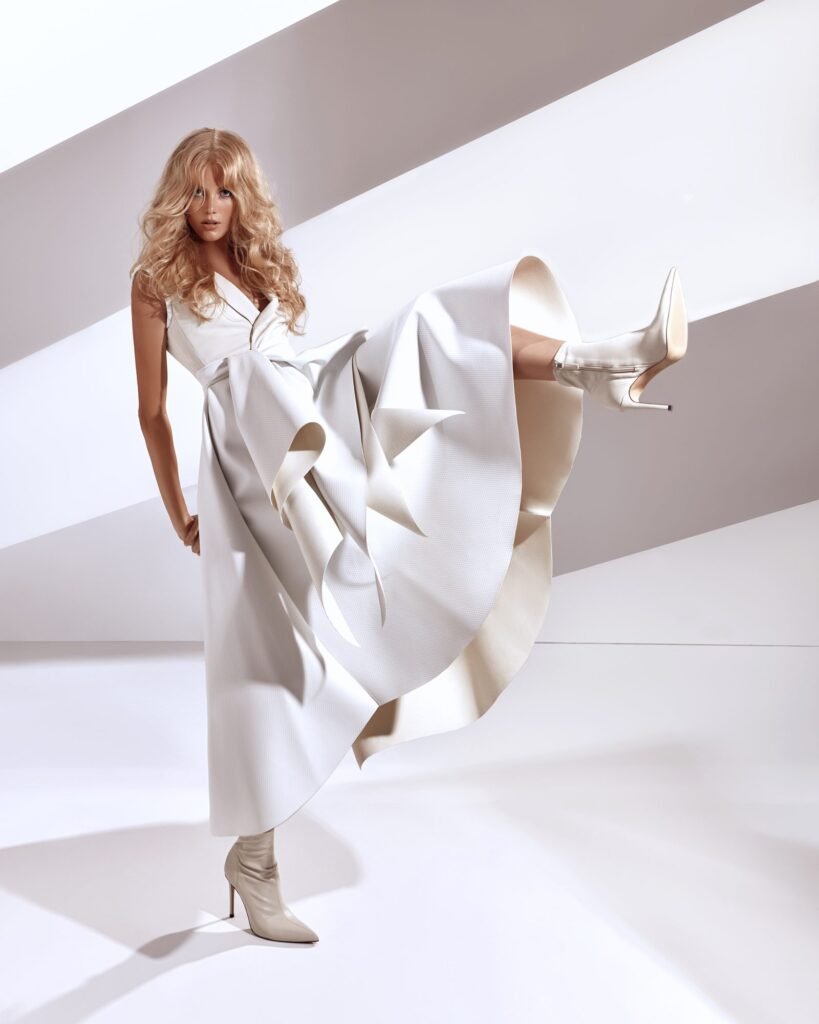 Photo: Daria Koso
They were called the Pictorialists. Led in America by Alfred Stieglitz, they formed the Photo-Secession in 1902, opened a tiny gallery on Fifth Avenue known simply as “291,” and published a beautiful magazine called Camera Work. They printed their images by hand, brushing homemade pigments onto artist’s paper. Their photographs looked soft, moody, almost like charcoal drawings.
Later generations went the other way and embraced sharp, honest detail. But the point was made. Photography could carry a mood, a style, a personality. That is what art does.
4. Copies Don’t Cancel Art
One of the most famous images in the world was mass-produced.
A common complaint against photography is that one negative can make endless identical prints. A painting is unique. A photo is not. So how can it be art?
Look at Japan. Hokusai created The Great Wave off Kanagawa as a woodblock print, made to be printed again and again and sold cheaply to ordinary people. Thousands of copies existed. Today it hangs in the greatest museums on Earth, and nobody questions whether it’s art. Being reproducible never made it less of a masterpiece. It made it more famous.

Photography works the same way. The art isn’t in the uniqueness of the object. It’s in the image itself.
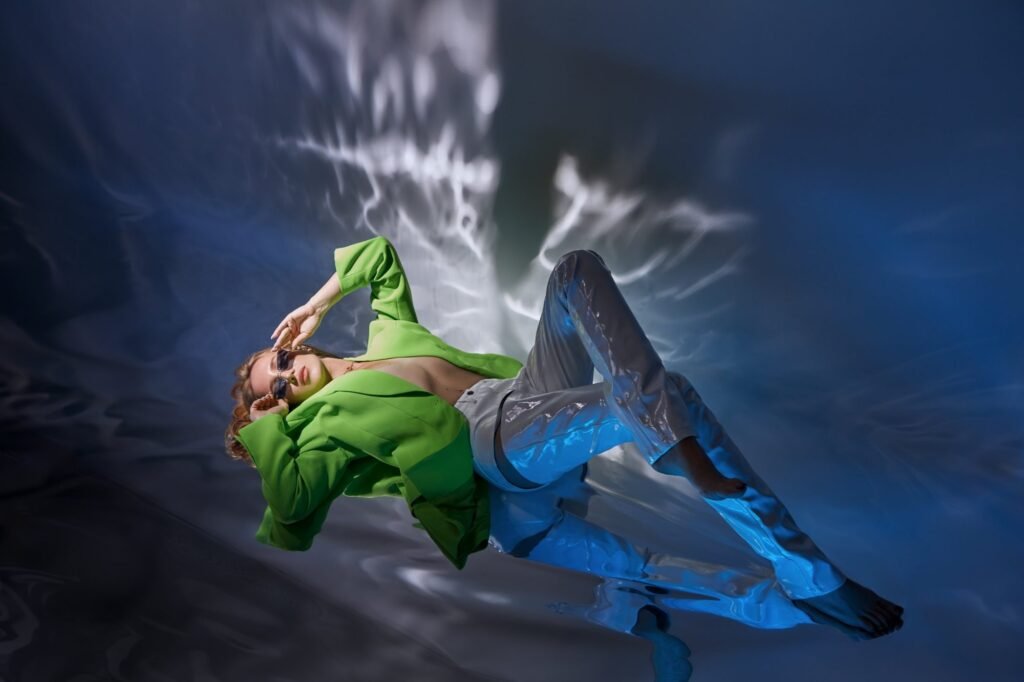 Photo: Daria Koso
5. Two People, One Scene, Two Different Pictures
Hand two photographers the same camera and watch what happens.
Try this simple experiment. Give two people the same camera, put them in the same room with the same model, and ask each for one portrait. You will never get the same photo twice. One will shoot close and tight. The other will step back and let the room tell the story. One will wait for a laugh. The other will catch a quiet, thoughtful moment in between.
This is the clearest proof of all. If photography were only a machine copying reality, the two pictures would be identical. They never are. Each one carries the eye, the taste and the mood of the person who took it. That is style. And style is the signature of an artist.
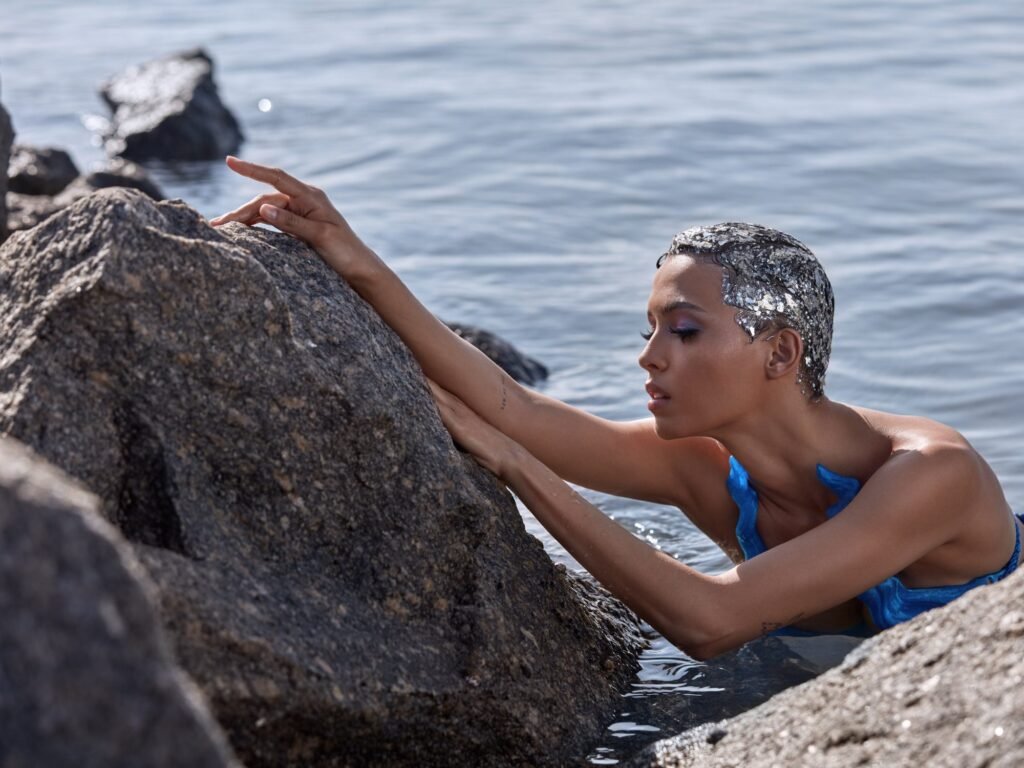 Photo: Daria Koso
So, Is Photography Art?
The short answer was always yes.
The long argument is finally over. The courts said yes. The museums said yes. The Pictorialists fought for it, and every photographer who has ever waited an hour for the right light has proved it again.
A camera is a tool, just like a brush or a chisel. On its own, it makes nothing worth remembering. In the right hands, it can stop time, tell a story and show us something we would never have noticed by ourselves.
The camera records. The photographer creates.
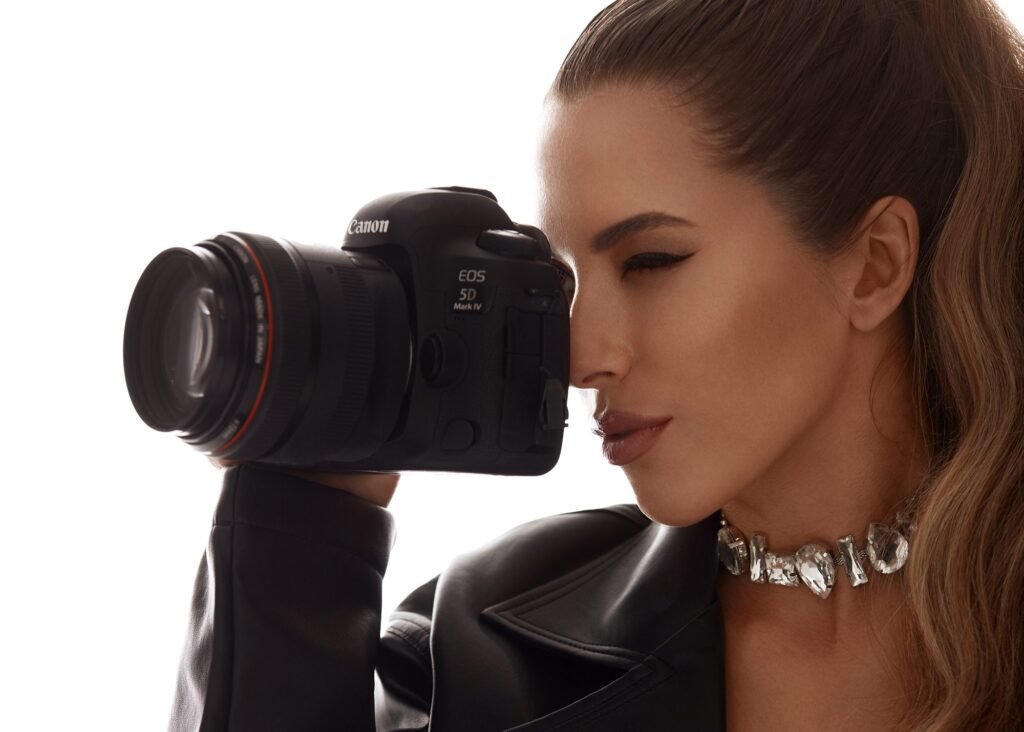 Photo: Daria Koso