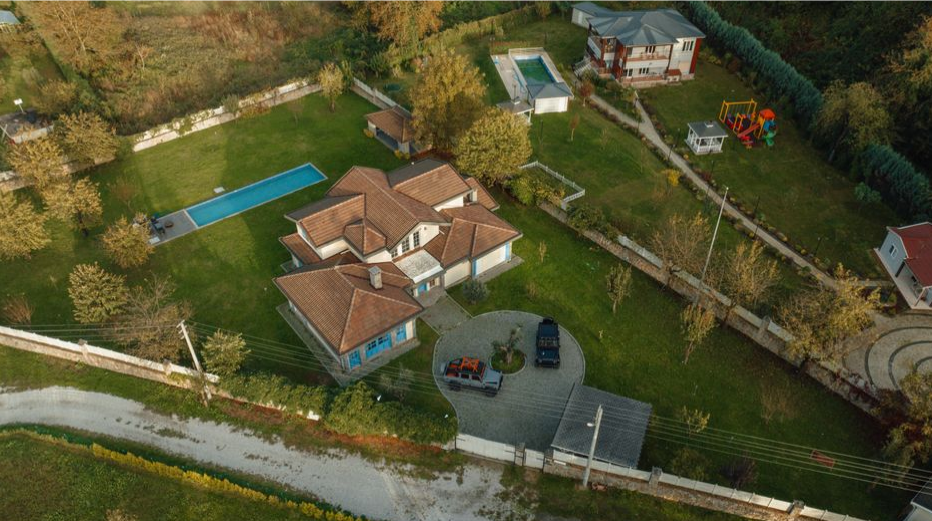
If you’re thinking about upgrading your curb appeal, a circular driveway probably keeps popping up for good reason. It looks polished, handles traffic smoothly, and gives a home that “someone planned this well” effect. In Maryland, where property styles range from suburban colonials to larger estate homes, driveway design also has to deal with weather, drainage, and daily practicality. A circular layout can be a smart move, but only when you know what you’re paying for and what you’re getting back.
The Main Cost Factors You Need to Watch
The price of a circular driveway depends on more than the shape. Size, materials, grading, drainage, and prep work all affect the total.
A larger loop needs more excavation, more base material, and more paving. If your lot slopes or holds water, drainage work can push costs up fast. That part isn’t glamorous, but it’s the difference between a driveway that lasts and one that starts cracking after a few rough seasons.
Material choice matters too. Asphalt usually costs less upfront, while concrete and pavers can raise the budget significantly. Borders, aprons, and decorative center islands also add to the final bill.
If you’re trying to price the project realistically, MD Paving Pros rates circular driveway costs at 8k to 15k, which gives you a useful working range for planning. That number can shift based on layout complexity and the existing site conditions.
What a Circular Driveway Actually Changes
A circular driveway does more than make your front yard look expensive. It changes how you use the space every day.
Instead of backing out into the street like you’re escaping a parking lot showdown, you can pull through more smoothly. That matters if your home sits on a busy road or if multiple drivers come and go at different times.
You also get a more formal entry experience. Guests notice it. Delivery drivers appreciate it. If you host often, the layout helps prevent the awkward driveway shuffle where one car traps three others.
A circular design can also improve access for larger vehicles, including moving trucks or service vans. That convenience sounds small until your kitchen remodel starts and someone needs room to turn around without treating your lawn like an off-road course.
When the Layout Makes Sense for Your Property
Not every home should have a circular driveway. Sometimes it fits beautifully. Sometimes it feels forced, like tuxedo shoes with gym shorts.
You need enough frontage and depth for the loop to function without crowding the house or swallowing the yard. On a narrower lot, a circular layout can look cramped and reduce green space more than you expected.
It tends to work best on properties with:
– Wider front yards
– Homes set farther back from the street
– Frequent guest parking needs
– Multiple drivers in the household
– Long-term plans to improve resale appeal
You should also check local curb cut rules and zoning limits. Some municipalities restrict how much of your front yard can be paved, or how many driveway openings connect to the road. A beautiful design means very little if the permit office shuts it down in one email.
Choosing the Right Material for Looks and Longevity
Material choice shapes both the appearance and maintenance level of your driveway. It’s not just about cost.
Asphalt gives you a clean look and usually costs less at installation. It handles freeze-thaw cycles fairly well, which matters in places with winter weather swings. It does need periodic sealing, so you’ll want to budget for upkeep.
Concrete often looks brighter and more tailored, but it can cost more and may show stains or salt damage over time. Pavers offer the most design flexibility and strong visual impact, though they’re often the priciest option.
Think about the style of your home before choosing. A simple ranch with flashy stone pavers can feel mismatched. A larger traditional home may benefit from a more elevated finish.
Ask yourself:
– How much maintenance are you willing to handle?
– Do you care more about budget or visual detail?
– Will the material suit your climate?
– Does it match the architecture of your home?
The Hidden Practical Issues People Forget
It’s easy to focus on appearance and forget the everyday details. Those details can make or break your opinion of the project six months later.
Snow removal is one example. A circular driveway gives you more surface area to clear, which means more time shoveling or higher plowing costs. If you live somewhere with regular winter storms, that deserves real thought.
Drainage is another big one. Water needs a clear path away from both the driveway and your foundation. A poor slope can leave puddles, ice patches, or erosion around the edges.
Landscaping in the center island also needs planning. It can look great, but it creates one more space to weed, edge, and maintain. If you want the style without the hassle, low-maintenance stone, mulch, or simple shrubs usually work better than a miniature botanical drama.
Lighting matters too. A larger driveway entrance benefits from clear illumination for safety and visibility at night.
How a Circular Driveway Affects Home Value
A circular driveway can boost perceived value, but the return depends on the home and neighborhood.

Buyers often respond well to features that feel both attractive and useful. Better traffic flow, easier parking, and stronger curb appeal can all help your property stand out. On higher-end homes, a circular driveway may even feel expected rather than optional.
Still, the upgrade works best when it matches the scale of the house. If the driveway dominates the entire front elevation, the result can feel overbuilt instead of elegant.
You should think about resale in practical terms:
– Does the upgrade fit nearby home values?
– Will future buyers see it as useful?
– Does it improve the first impression of the property?
– Will maintenance look manageable?
A strong exterior upgrade isn’t only about recouping dollars. It also affects how quickly your home draws interest and how polished it feels during showings.
How to Plan the Project Without Regrets
Good planning saves money, stress, and a surprising number of avoidable mistakes.
Start by measuring your lot and thinking about traffic flow. Consider how cars enter, turn, park, and exit. If you have teen drivers, frequent guests, or a household with multiple work schedules, map that movement honestly instead of imagining ideal behavior.
Get detailed estimates that break out grading, base preparation, paving, drainage, and finishing work. A low quote can look attractive until you realize half the important stuff is missing.
Before signing anything, ask about:
– Permit requirements
– Drainage solutions
– Base thickness
– Material lifespan
– Maintenance expectations
– Project timeline
– Cleanup and site restoration
You should also ask to see examples of similar completed projects. A circular driveway is a layout feature, not just a flat paved surface. Design proportions matter. A contractor who understands turning radius, symmetry, and grading will usually produce a result that looks intentional rather than improvised.