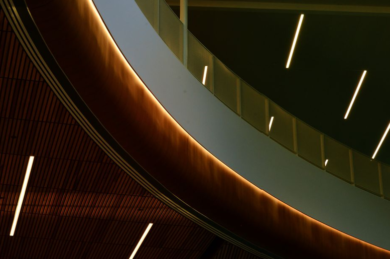
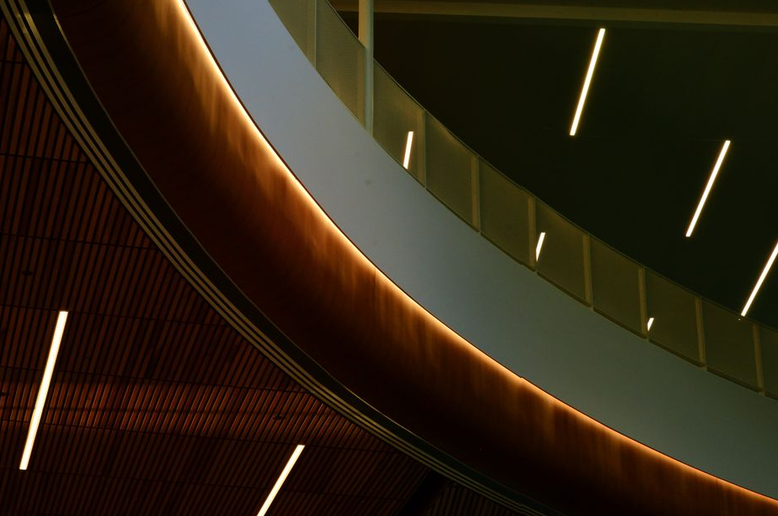
A room can have beautiful flooring, carefully chosen furniture, and impressive architectural details and still feel slightly unfinished. Often, lighting is the missing piece. It influences which features attract attention, how colors appear, where shadows fall, and whether a space feels warm, dramatic, calm, or overly bright.
Lighting is also responsible for a meaningful share of household energy use, which is why fixture choice and control matter beyond appearance. Modern LEDs use at least 75% less energy and can last up to 25 times longer than incandescent lighting, according to the U.S. Department of Energy.
The best lighting plans balance those practical considerations with something less measurable: how you actually want the space to feel.
Lighting Should Work With the Architecture
Lighting works best when it supports the features already present rather than competing with them.
A textured wall can become more noticeable when light grazes across its surface. A staircase can feel sculptural when illumination emphasizes its shape. Built-in shelving, stonework, ceiling details, and artwork can all gain visual depth with thoughtful fixture placement.
This is why relying on one bright ceiling fixture rarely produces the most interesting result.
Instead, designers often layer different types of lighting. General illumination makes the room usable, task lighting supports activities such as cooking or reading, and accent lighting directs attention toward particular architectural or decorative features.
When those elements work together, the room feels balanced without necessarily feeling brighter.
Good Installation Protects the Design
Even excellent fixtures can produce disappointing results when spacing, positioning, switching, or electrical planning is handled poorly.
During a renovation or new project, lighting installation services can help ensure fixtures, controls, circuits, and placement work properly with the intended design. Planning these details before walls and ceilings are finished can also reduce the need for awkward changes later.
Consider how fixtures will be controlled as carefully as where they will be installed.
A room may benefit from separate controls for general, task, and accent lighting rather than one switch operating everything simultaneously. Dimmers can provide even more flexibility.
The goal is to create lighting that feels natural to use, not a wall of switches nobody remembers.
Think About What Happens in the Room
Before choosing fixtures, consider how the space is actually used.
A kitchen needs sufficient illumination over counters and work areas, while a bedroom generally benefits from softer options that can change throughout the evening. Dining areas often need a visual focal point, while hallways require enough illumination for comfortable movement without feeling excessively bright.
Placement matters as much as fixture style.
A beautiful pendant installed at the wrong height can become distracting. Downlights positioned poorly can create uncomfortable glare. Lighting around mirrors can cast harsh shadows when it comes primarily from above.
Planning around activities rather than simply filling the ceiling with fixtures usually creates a more comfortable result.
Let Daylight Do Part of the Work
Artificial lighting does not operate independently from natural light.
Rooms can change dramatically from morning to evening depending on window size, orientation, interior finishes, and surrounding structures. A space that receives plenty of daylight for several hours may need a very different lighting approach after sunset.
Before finalizing fixture placement, observe where daylight reaches and where darker areas remain.
Making better use of natural light can also influence choices involving mirrors, window treatments, furniture placement, and interior finishes.
Artificial lighting can then fill the gaps rather than competing with daylight throughout the day.
Dimmers and smart controls make this relationship easier to manage by allowing brightness to change as natural conditions shift.
Color Temperature Changes the Atmosphere
Two rooms can use the same amount of light and still feel completely different because of color temperature.
Warmer light generally creates a softer, more relaxed atmosphere, while cooler light can appear cleaner and more energetic. Neither is automatically better. The right choice depends on the room, materials, and intended mood.
Consistency matters too.
Connected spaces can feel visually disjointed when neighboring fixtures use noticeably different color temperatures without a clear reason.
Color rendering is another consideration. A light source with strong color-rendering performance can help paint, artwork, fabrics, food, and natural materials appear closer to their intended colors.

These details may sound technical, but their effect is immediately visible once the lights are switched on.
Outdoor Lighting Deserves the Same Attention
Lighting influences architecture outside the home too.
Well-positioned exterior fixtures can define entrances, illuminate paths, reveal textures, and highlight architectural features after sunset. The challenge is doing this without covering everything in unnecessary brightness.
More light is not always better.
Poorly aimed outdoor fixtures can create glare and send light into neighboring properties or the night sky. Thoughtful outdoor-lighting practices focus on using light only where and when it is needed while controlling its direction and intensity.
That approach can improve visibility while allowing the architecture to retain depth and contrast.
Avoid Designing Around Fixtures Alone
One common mistake is choosing fixtures because they look attractive individually without considering how they work together.
A decorative pendant may be perfect for a dining area but insufficient as the room’s only source of illumination. Recessed fixtures may provide useful general lighting but feel flat when they are installed in a uniform grid without considering furniture or architectural features.
Lighting should therefore be planned as a system.
Think about where people sit, walk, cook, read, work, and gather. Then consider which surfaces or design details deserve attention.
This creates a more natural relationship between the room and its lighting.
Give Lighting a Role in the Design From the Beginning
Lighting is much easier to get right when it is considered early.
During a renovation, decisions about ceilings, cabinetry, furniture placement, outlets, switches, and architectural details can all influence where lighting should go. Waiting until everything else is finished can limit your options.
You do not need dozens of fixtures or complicated controls to create an effective plan.
A few well-positioned light sources, appropriate color temperatures, useful dimming, and thoughtful coordination with daylight can make a substantial difference.
Architecture determines the form of a space, but lighting determines how much of that form you notice. When the two are planned together, rooms tend to feel more comfortable, intentional, and complete.