An artist’s page has to hold two kinds of attention. The reader wants a clear person behind the work, but the portrait should not overpower the paintings, essays, or objects that made the page worth visiting. A doctor headshots brief offers a useful starting point because it treats the portrait as a public identity asset with a job to do.
That job changes in an art and culture publication. A clean author image can help a contributor page, interview card, or event announcement. It cannot prove where a painting was made, how an artist works, or what a historical photograph records. The editor needs a boundary before the polished options arrive, or visual finish will quietly replace editorial meaning.
ProfessionalHeadshot takes 5–20 phone photos and uses selected industry, outfit, and background choices to generate 40–100 professional portraits. The wider site presents 30-plus outfit styles, 14 backgrounds, and three pose angles per look. That range can cover an author-bio layer, but it also makes selection more important. An art editor should choose the image that leaves room for the work, not the one with the strongest studio fantasy.
Artists Are Not A Style Preset
Artists often carry several public identities at once. A painter may write criticism, a photographer may teach, and a curator may speak at a museum while maintaining a private studio practice. One portrait can introduce the person, but the clothes and setting should not compress that whole career into a generic creative stereotype.
The safest visual decision begins with the page’s purpose. A short contributor card needs recognisability. An interview page may support more shoulder room and a quieter background. An event announcement may need a confident, forward-facing crop. The portrait can change between those jobs, but every version should still look like the same person who made the work.
A Source Photo Sets The Ceiling
AI generation cannot give an editor reliable knowledge that the source photos never show. A small set of current images with different angles and lighting gives the system more to work with than one filtered selfie. Clear eyes, visible facial structure, and a recent appearance help the editor judge whether an output remains recognisable.
Ask the artist for photos that match the consented use. A contributor who wants a professional biography may not want the same portrait used for a gallery announcement. The intake should name the page, the expected audience, and whether the image is a profile aid or part of a broader visual story. That sentence gives the artist a chance to set a boundary before the editor selects a look.
The cost of skipping that conversation appears later as re-work. An editor builds the page around a polished portrait, the artist objects to the styling, and the team starts again after the headline, caption, and social crop are already prepared. The file was quick to generate, but the approval path became slow.
Where Polish Starts To Flatten A Person
ProfessionalHeadshot can produce a useful range, but the editor should read each image against the artist’s actual public work. Two failure signals deserve a quick stop: the face looks unfamiliar, or the setting makes a claim the article cannot support.
The Face Must Survive The Artist Statement
Start with the face before judging colour or mood. A large gallery view can flatter a candidate, while the contributor grid makes the person unfamiliar. A jawline that changes, eyes that lose their spacing, or an expression that turns the person into a different character should be discarded. The image can be attractive and still wrong for an artist biography.
The Setting Should Not Invent A Studio
A blurred studio, gallery, or city background can suggest a life the page never describes. If the article does not say that the artist works in that place, the background should remain neutral enough to avoid a false scene. A light studio or simple office treatment can give the page shape without pretending to document the artist’s practice.

Compare Portrait Jobs Before Selecting A Pack
A generated portrait is easier to judge when the editor names the job it must perform. The comparison below keeps an author-bio task separate from documentary and campaign work.
| Page job | What the image must do | Reason to use or reject a generated pack |
| Contributor bio | Keep the artist recognisable beside a short description | Useful when the artist approves a clean profile look and the source set is strong |
| Interview feature | Leave room for the work, pull quotes, and a wider layout | Useful when a controlled background supports the page without becoming the story |
| Exhibition announcement | Match the actual event, venue, or commissioned campaign | Reject when a generated scene would imply a physical place the image cannot prove |
| Documentary profile | Show the artist, process, or environment as it exists | Use a real commissioned photograph when physical truth carries the meaning |
ProfessionalHeadshot belongs in the first two rows when the artist and editor agree on the purpose. Its output range gives the team room to find a crop that works in a small card and a wider page. It should not be used to manufacture a studio visit, exhibition opening, or working environment.
The table also prevents a common category mistake. A portrait can be commercially usable and still editorially unsuitable. The service provides full commercial usage rights for generated photos, which helps a publication place an approved image on its own profile pages. The right to use the file does not turn a fictional background into a fact.
Run A Small Art Desk Review Before Publishing
An art desk can make the review specific without treating the image like a laboratory score. The editor only needs to ask whether the portrait respects the person and the page.

Check The Face Before The Mood
Place the candidate beside a current image the artist has approved for comparison. The lighting may change, but the person should remain recognisable. If the face becomes unreadable at the size used in the contributor grid, the file would never clear the desk. A human reviewer should choose the cut before the layout team starts exporting derivatives.
Reject Backgrounds That Make Claims About The Artist
Read the image without the caption. A neutral background can support an author bio. A dramatic gallery, studio, or stage can imply a location, status, or event. If the page cannot explain that detail in plain language, reject the background and choose a quieter option. The editor is protecting the article from a visual assertion that the text never made.
That review takes less time than repairing a page after publication. The team may need a new crop for an email, a social card, or an event listing. Keeping one approved master and one approved alternate makes those requests manageable. Publishing the entire generated set would make the page feel less edited and more like a catalogue of guesses.
Keep One Editorial Master And Two Alternates
The finished handoff should contain one master portrait, one wider option, and one alternate only when a real page needs it. Name each file by its destination and keep the source selection with the artist’s approval note. That file discipline protects the artist when a new editor joins the publication or a profile is reused months later.
The wide range of generated options is most useful before approval. Once the editor chooses the master, the rest should disappear from normal publishing paths. A page gains authority from a consistent choice, not from showing readers that the desk had a hundred variations available.
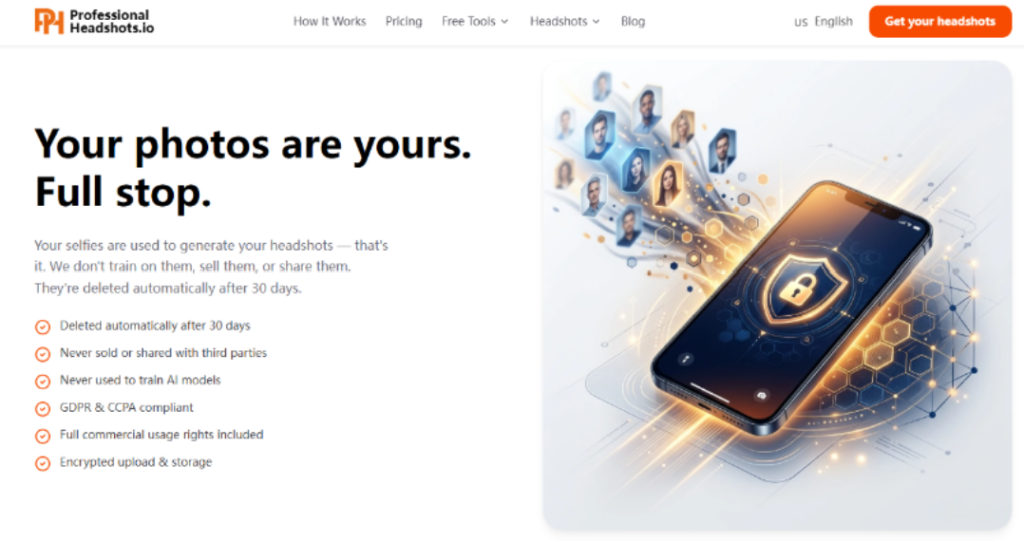
The workflow on ProfessionalHeadshot.io can support that handoff because the service turns a small input set into a larger set of professional portraits without requiring the artist to attend a studio appointment. The editor still needs to handle consent, identity, and the difference between an author image and a documentary photograph.
Let The Portrait Serve The Work
ProfessionalHeadshot suits artist biographies, contributor pages, and professional profile cards that need a clear, approved face. It is a poor substitute for a documentary image when the place, process, or event carries the story.
Use the pack as a controlled portrait source, then let the artwork and the writing carry the page. A careful editor can keep the benefits of a polished profile image while refusing the easy visual fiction that makes every artist look like the same person in a different costume.