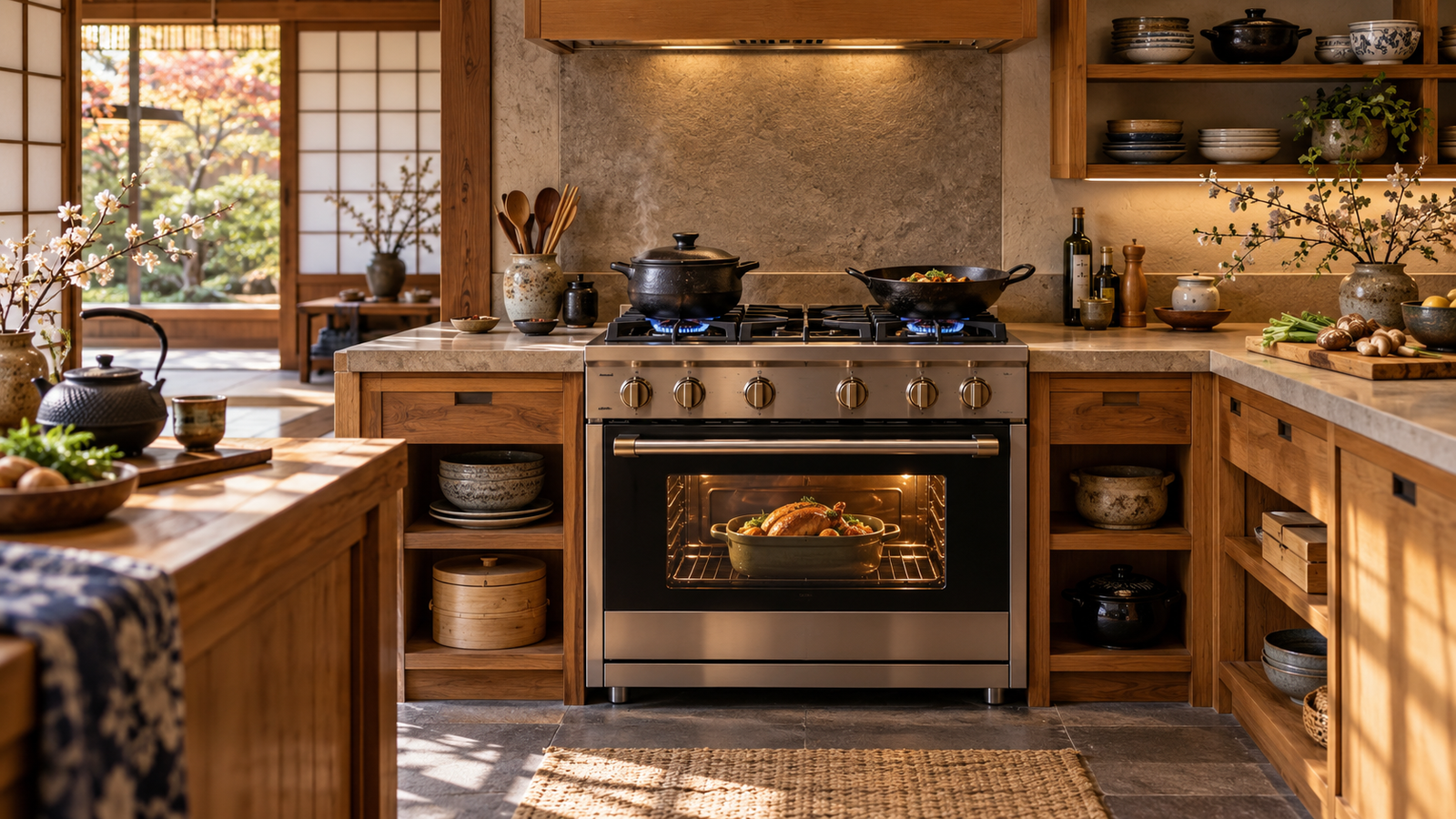
Shopping for a gas range with an electric oven can raise a simple question: which features are actually worth paying attention to? You want the gas cooktop to respond quickly when you change the flame, while the electric oven should give you steady heat for baking, roasting, and everyday meals.
With so many models offering different burners, cooking modes, convection, rack options, and cleaning features, it is easy to focus on features you may never use. The better approach is to think about how you cook and which features will make those everyday tasks easier.
So, what should you look for in a gas range with an electric oven?
Let’s look at the features that can make the biggest difference and explain why each one matters before you make your choice.
1. Powerful Gas Burners for Precise Heat Control
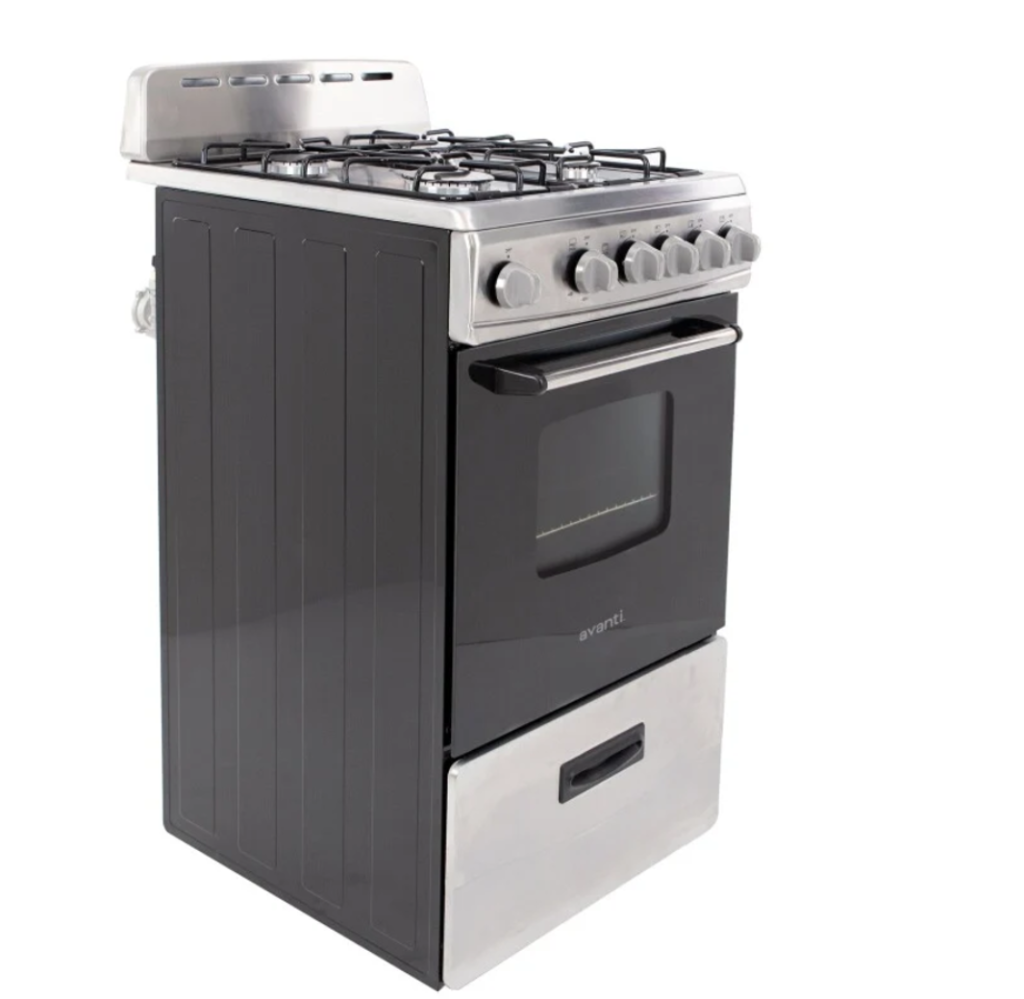
Start with the cooktop, because this is where you will use the gas side most often. Gas burners give you quick control over the flame, so you can turn the heat up for boiling water or searing food and lower it when something needs to simmer.
The burner setup matters as much as the power. A high-output burner is useful for large pots and faster cooking, while a smaller burner can provide gentler heat for sauces, butter, or delicate foods. Having rapid, semi-rapid, and simmer burners can give you more flexibility when different foods need different heat levels.
When comparing a gas range with electric oven, check the burner sizes, spacing, and layout. You want enough room to use several pans without handles getting in the way. Sealed burners can also help contain spills and make the cooktop easier to wipe.
2. An Electric Oven for Consistent, Even Heating
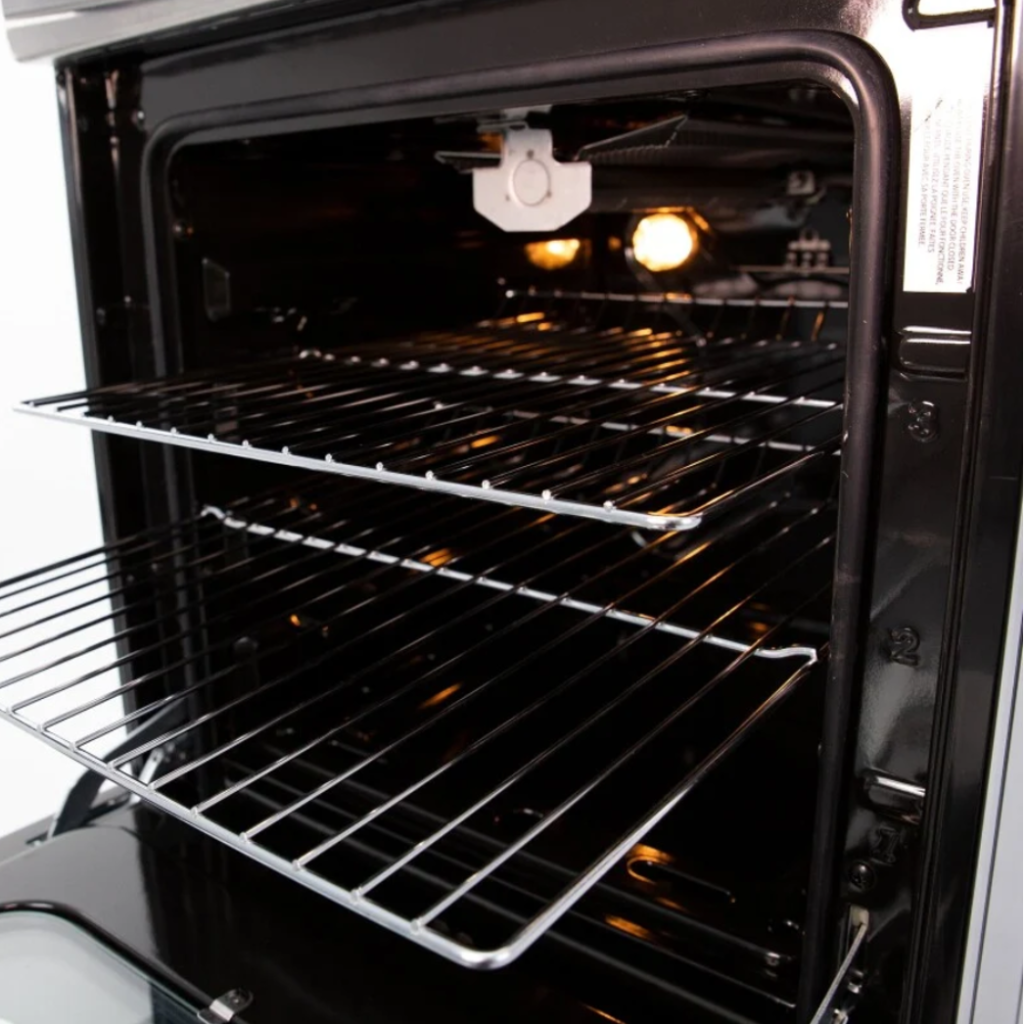
Now turn your attention to the oven, because the electric side has a different job. Electric heating elements can provide steady heat inside the oven, which is useful for foods that need consistent temperatures from start to finish.
Temperature control is something you should check before buying. A reliable thermostat helps the oven stay close to the temperature you set, while a well-designed heating system helps distribute heat throughout the cavity. If an oven struggles to maintain the right temperature, even a good recipe can produce disappointing results.
Think about your cooking habits when comparing models. If you bake often, dependable temperature control may be more useful than a long list of advanced settings. You want an oven that makes it easier to follow recipes and get similar results each time.
3. Convection Cooking for Faster, More Uniform Results
Convection is another feature worth understanding before you choose a range. Instead of letting hot air sit inside the oven, a fan circulates it around the cooking area. This can help reduce hot and cool spots and encourage more even browning across your food.
That airflow can be useful for foods such as cookies, roasted vegetables, and other dishes that benefit from consistent heat. Some recipes may also cook faster when convection is used. However, results depend on the oven, cookware, food, and temperature, so follow the guidance for the model and recipe.
If you often prepare several dishes at once, convection may help you make better use of the oven. Moving air can distribute heat around food on different levels.
4. Multiple Cooking Modes for Greater Versatility
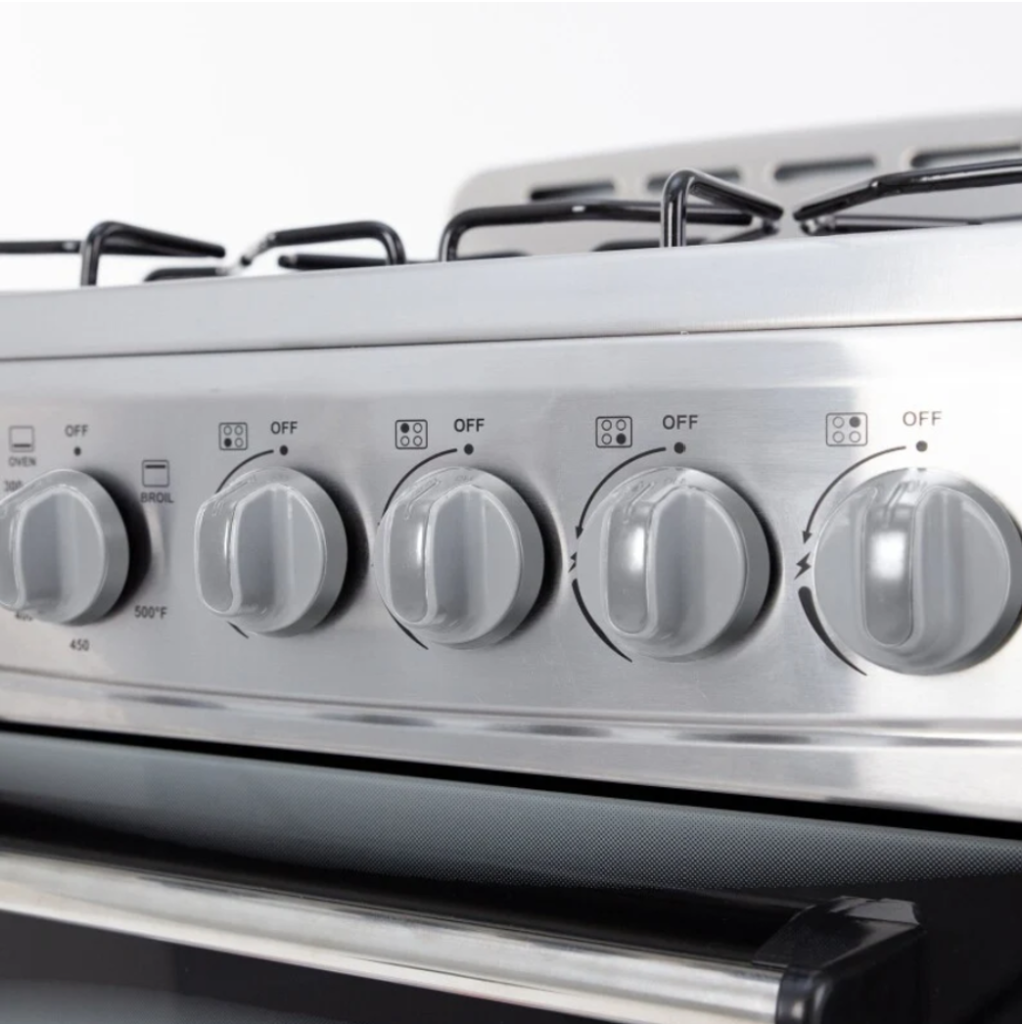
Once you have considered basic oven performance, look at the cooking modes. Different settings change how heat is used, allowing you to choose an approach that suits the food. Basic bake and broil may be enough for many people, while other models offer roasting, convection baking, or air frying. A broiler can be useful when you want to brown or finish food with direct high heat.
The right number of modes depends on what you actually cook. If most meals involve baking and roasting, you may not need a dozen settings. If you enjoy different cooking methods, extra modes can give you more options without requiring another appliance.
Before choosing a model, read what each cooking mode actually does. A long list of buttons does not automatically make a range more useful. Instead, look for settings that solve a real problem, such as helping you brown food, roast more evenly, or prepare a favorite type of meal.
5. A Spacious Oven That Fits Your Cooking Needs
It’s easy to overlook oven size until you’re trying to fit a large roasting dish inside. The exterior dimensions of a range do not necessarily indicate the amount of interior space available. This matters even more when choosing a compact range for a studio, condo, RV, or another smaller kitchen.

Think about how you use your oven throughout the week. If you prepare casseroles, roasts, baked dishes, or family meals, having enough interior room can make cooking more convenient. You will have more freedom to prepare the amount of food you need without constantly working around limited space.
It is also useful to consider how many people you normally cook for. A smaller household may have different space needs than a family that regularly prepares larger meals. Compare the listed oven capacity with your cooking habits so you choose a range that gives you enough room without paying for space you are unlikely to use.
6. Easy-Clean Surfaces for Simpler Maintenance
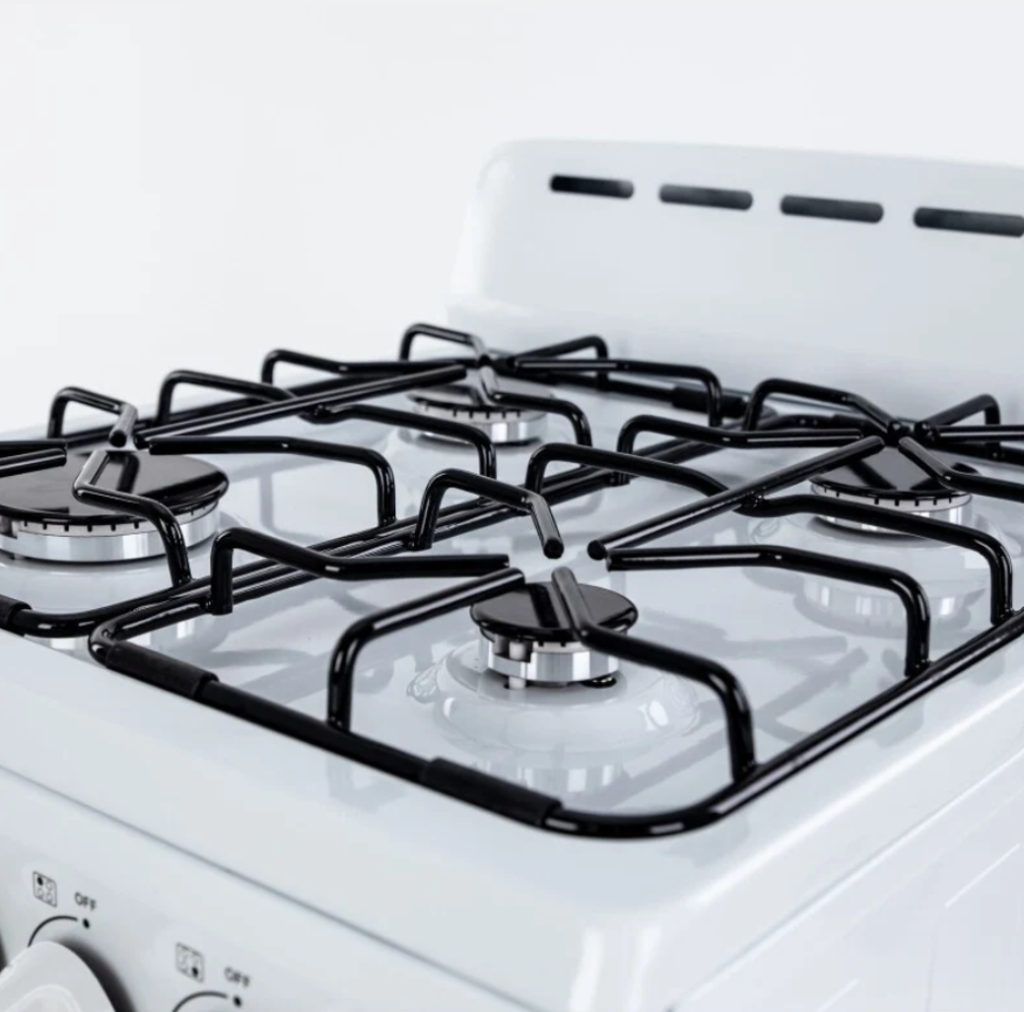
Cleaning may not be the first thing you consider when choosing a range, but you will notice it after every meal. Cooking creates grease, crumbs, splashes, and spills, so easy-to-wipe surfaces can save time. A well-designed cooktop should make everyday cleanup manageable.
Pay attention to the parts you clean most often. Sealed burners can help contain food and liquid around the burner area, while accessible surfaces can make routine wiping easier. If a model includes removable grates or other cleaning features, check how they work before buying so you know what maintenance they require.
The oven deserves attention too. Check whether the interior is easy to reach and whether the racks can be handled comfortably. If the model has a self-cleaning feature, read the instructions so you know what it handles and what cleaning is still required.
Conclusion
Choosing a gas range with an electric oven is easier when you focus on how each feature fits your cooking routine. Look for responsive burners, steady oven heating, useful cooking modes, convection, suitable capacity, and surfaces that are easy to maintain. You do not need every feature available; you need the ones that solve everyday cooking needs.
Before buying, check the range dimensions, burner layout, oven space, controls, and included functions. A little comparison upfront can help you choose a range that feels practical every day.