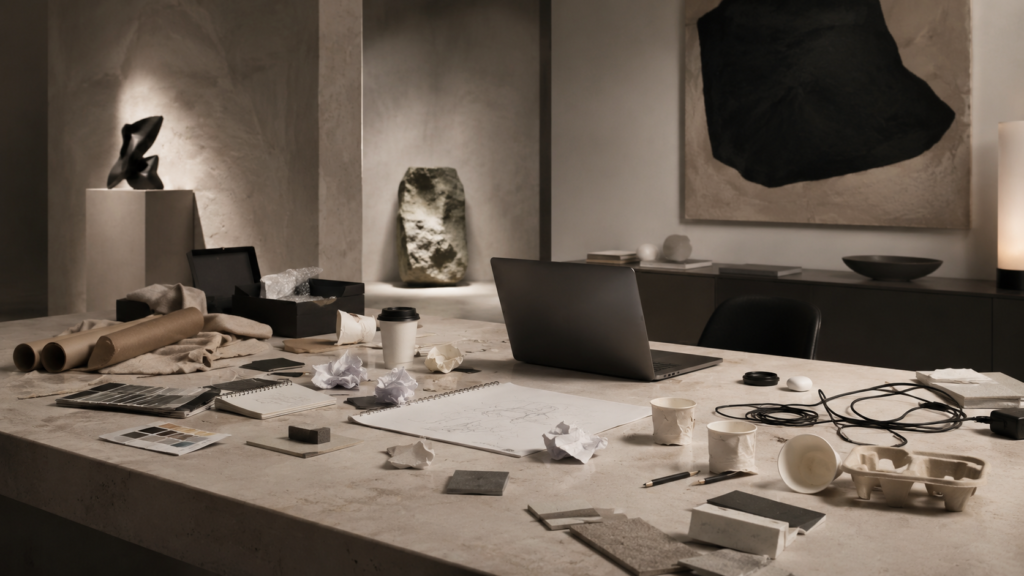
Creative workspaces are designed to encourage collaboration, innovation, and productivity. Designers, architects, marketers, photographers, agencies, and content creators all rely on technology and specialized equipment to bring ideas to life. Yet behind many modern studios and offices lies a surprising amount of hidden waste that quietly increases operating costs and consumes valuable space.
While businesses often focus on major expenses such as software subscriptions or office leases, smaller inefficiencies frequently go unnoticed. Excess inventory, outdated equipment, unnecessary printing supplies, and disorganized storage can gradually accumulate until they become significant operational costs. Reviewing these overlooked areas helps create a more efficient workspace without disrupting creativity.
Overstocked Supplies Often Go Unnoticed
Creative businesses regularly purchase office supplies in bulk to avoid interruptions during busy periods. Printer cartridges, specialty paper, and office consumables are often ordered “just in case,” especially when deadlines are tight.
Over time, however, printers are upgraded, teams become more digital, or projects change direction. Boxes of unused toner remain on storage shelves while continuing to occupy valuable office space.
Rather than allowing unused inventory to collect dust, businesses with surplus genuine printer supplies can evaluate options through https://www.selltoner.com. The company purchases unused, factory-sealed OEM ink and toner cartridges from numerous major manufacturers, providing businesses with an opportunity to recover value from inventory that is no longer needed. Cartridges must remain unopened, in their original packaging, and meet the company’s purchasing requirements.
Regular inventory reviews prevent supplies from quietly becoming wasted assets.
Digital Workflows Don’t Always Eliminate Physical Waste
Many organizations describe themselves as paperless, but the reality is often more complicated.
Design proofs, client presentations, contracts, packaging samples, and production drafts are still frequently printed during creative projects. Without clear printing policies, multiple revisions can generate unnecessary paper use while increasing toner consumption.
Simple practices such as reviewing layouts digitally before printing, printing only final approvals, and using shared proofing systems can reduce material waste without slowing collaboration.
Monitoring print volumes also helps businesses understand whether existing equipment matches actual usage.
Equipment That No Longer Fits the Workflow
Creative technology evolves quickly.
Printers, scanners, cameras, monitors, computers, and storage devices that once supported daily operations may become obsolete as workflows change. Older equipment often remains stored in offices long after it has stopped providing practical value.
Regularly reviewing equipment allows businesses to determine which items remain essential and which simply occupy valuable storage space.
When replacing hardware, it also makes sense to review associated accessories and consumables. Eliminating supplies that support retired equipment prevents unnecessary future purchases while improving overall organization.
Storage Space Has Financial Value
Photo by Annie Spratt on Unsplash
Every shelf, cabinet, and storage room represents part of the workspace that could support more productive activities.
Boxes of outdated marketing materials, discontinued packaging, expired promotional items, unused electronics, and excess office supplies gradually reduce available space while making inventory more difficult to manage.
Organized storage systems make frequently used materials easier to locate while identifying products that should be recycled, donated, sold, or responsibly disposed of.
For creative businesses where space is limited, reclaiming storage areas can improve workflow just as much as expanding the office itself.
Hidden Waste Includes Lost Time
Waste isn’t always physical.

Searching for misplaced equipment, locating files, reordering supplies that already exist, or recreating missing documents all consume employee time without contributing to productive work.
Standardized filing systems, inventory tracking, clearly labeled storage, and routine workspace organization reduce these hidden inefficiencies. Small improvements repeated every day often recover hours of productive time over the course of a year.
Creative professionals benefit most when they can spend more time creating rather than searching for tools and materials.
Sustainability and Efficiency Often Go Together
Reducing waste isn’t only about lowering costs.
Many businesses are placing greater emphasis on environmental responsibility by extending equipment life, reducing unnecessary printing, minimizing packaging waste, and managing surplus inventory more effectively.
Recovering value from unused supplies, maintaining equipment properly, and purchasing only what is realistically needed support both financial and sustainability objectives.
These practices also demonstrate responsible resource management to employees, clients, and business partners.
Build a Workspace That Supports Creativity
A productive creative workspace isn’t defined solely by modern furniture or the latest technology. It also depends on efficient operations behind the scenes.
Reviewing inventory regularly, removing outdated supplies, managing equipment carefully, reducing unnecessary printing, and organizing storage all contribute to a workplace that functions more smoothly. When hidden waste is identified and addressed, businesses often discover that they gain more than extra space, they also improve productivity, reduce unnecessary expenses, and create an environment where creativity can remain the primary focus rather than operational inefficiencies.