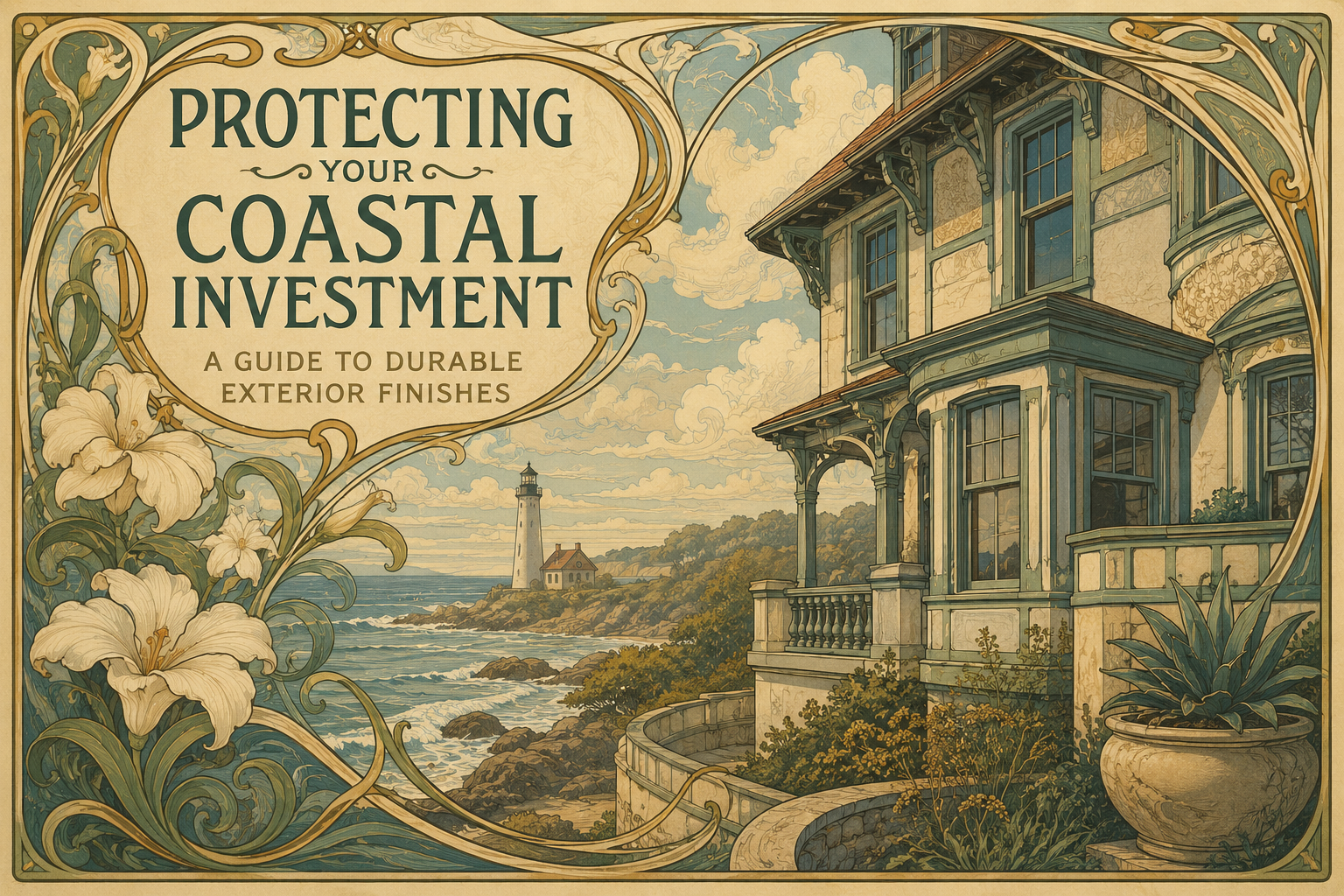
Owning a home by the coast brings unique joy and constant challenges. The scenery is beautiful – but the elements are harsh on every exterior surface. Salt and humidity work together to wear down materials faster than in inland areas.
Property owners must choose finishes that stand up to these conditions. High-quality protection keeps the building safe and maintains its value. Proper planning helps avoid costly repairs later on.
Salt Air And Surface Damage
Ocean breezes carry tiny salt particles that land on your walls. These deposits cause layers of paint to lose their grip and start to fail. A painting company recently noted that these particles lead to peeling, chipping, and bubbling.
The damage happens slowly but becomes a major issue if ignored. Sun exposure often speeds up this process by drying out the coating. Salt gets trapped underneath the surface and pushes the paint away from the wood.
Keeping the exterior clean helps remove some of these harmful deposits. Rinsing the house with fresh water can extend the life of the finish. It is a simple step that makes a big difference for waterfront properties.
Preparation For Waterfront Homes
Every home needs a plan before the work begins. Hiring skilled painters in Seattle or elsewhere helps property owners pick the right products for local humidity. Starting with a clear strategy makes the rest of the project much easier.
Cleaning the walls is the next step in the process. Removing old grime allows the new finish to bond correctly with the surface. Skipping this part often leads to premature failure of the paint.
Preparation involves checking for any existing rot or cracks. Fixing these issues before painting prevents moisture from getting trapped deep inside the wood. It is a necessary part of keeping the building structurally sound.
Fiber Cement Siding Solutions
Material selection is the first line of defense against the sea. Fiber cement is a top choice as it does not rot or warp when exposed to wet conditions. It stays strong even when the air is thick with mist.
One industry guide highlighted Hardie Board for its ability to withstand harsh marine environments. It offers flexibility in design without sacrificing the strength needed for coastal living. The material holds paint better than traditional wood siding.
Choosing fiber cement reduces the risk of water getting into the structure. It acts as a shield against wind-driven rain and thick fog. Homeowners find that it requires less attention than other common building materials.
Modern Masonry Protection
Brick and stone homes face their own set of risks near the ocean. Moisture can get trapped inside the walls and cause mold to grow. Using a microporous paint allows the surface to breathe while keeping liquid water out.
A leading paint brand explained that water-resistant formulas defend against algae and water ingress. These coatings create a barrier that stops rain from soaking into the masonry. This protection is crucial for keeping the interior dry and healthy.
The breathable nature of these paints prevents bubbles from forming. Air can escape from the material, but moisture cannot enter from the outside. This balance keeps the exterior looking fresh for many years.
Trending Exterior Colors
Choosing the right color is about more than just looks. Darker shades might fade faster under the intense coastal sun. Lighter tones tend to reflect heat and keep the home cooler during the summer.

A design article recently shared that muted blue-greys are becoming more popular than bright whites. These colors blend well with the surrounding dunes and the ocean sky. They provide a calm look that matches the local environment.
Neutral shades help hide the thin layer of salt that often settles on walls. Soft greys and blues maintain their appearance longer between cleanings. Picking a timeless color makes sure the home remains attractive for a long time.
Long-Term Maintenance And Systems
Coastal properties require frequent care. A maintenance report suggested that these homes often need full repaints every 4 to 6 years. Waiting longer can lead to structural damage that costs $1000s to fix.
Some homeowners choose professional weatherproofing systems for maximum durability. A technical blog noted that some specialist systems can protect a home for up to 25 years. These coatings are far more effective than basic paint jobs.
Other experts recommend using nonporous materials and marine-grade metals for any exterior hardware. These items handle humidity without failing or looking worn out. Combining these advanced materials creates a home that stands up to any weather.
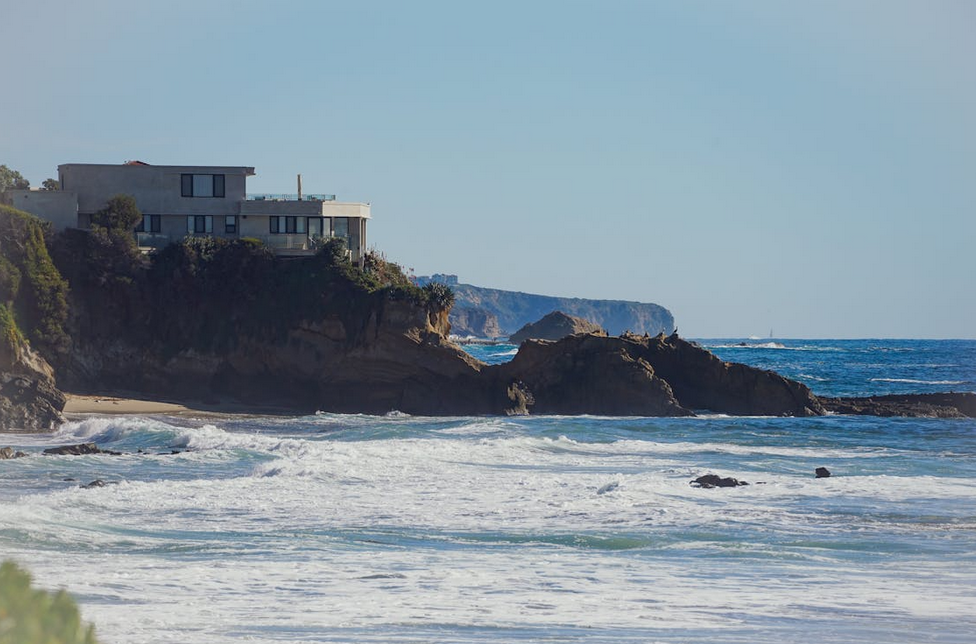
Taking care of a coastal home requires the right tools and a solid plan. Durable finishes protect the structure from the unique threats of the sea. Choosing quality materials now prevents expensive repairs in the future.
Homeowners who stay proactive enjoy their property without the stress of constant damage. The right paint and coatings keep the house looking beautiful for a lifetime. Protecting your investment starts with understanding the power of the ocean.