Your home’s design does more than look nice in photos. It shapes how you move, relax, clean, and even how much you spend on energy and repairs. If you’re thinking about upgrades, the most useful projects tend to solve daily annoyances while improving comfort and value. From better windows to more practical bathrooms, a smart remodel can make your space feel less like a maintenance project and more like a place that actually works for you.
Start With the Problems You Notice Every Week
The best remodel plans usually begin with irritation, not inspiration. Maybe your bathroom has poor lighting that makes mornings feel like a side quest. Maybe your windows let in drafts every winter and roast the room in summer.
Before picking tile or paint colors, walk through your home and list what keeps bothering you. Focus on patterns:
– Rooms that feel too hot or too cold
– Areas with poor storage
– Surfaces that are hard to clean
– Fixtures that look dated or work badly
– Layouts that slow down your routine
This approach keeps you from spending money on changes that photograph well but solve nothing. Practical design often looks better in the long run because it supports your life instead of fighting it.
Bathroom Remodeling Works Best When It Fixes Flow
Bathrooms are small, but they carry a ridiculous amount of daily traffic. You use them when you’re tired, rushed, sick, distracted, or getting ready in five minutes flat. A poor layout gets exposed fast.
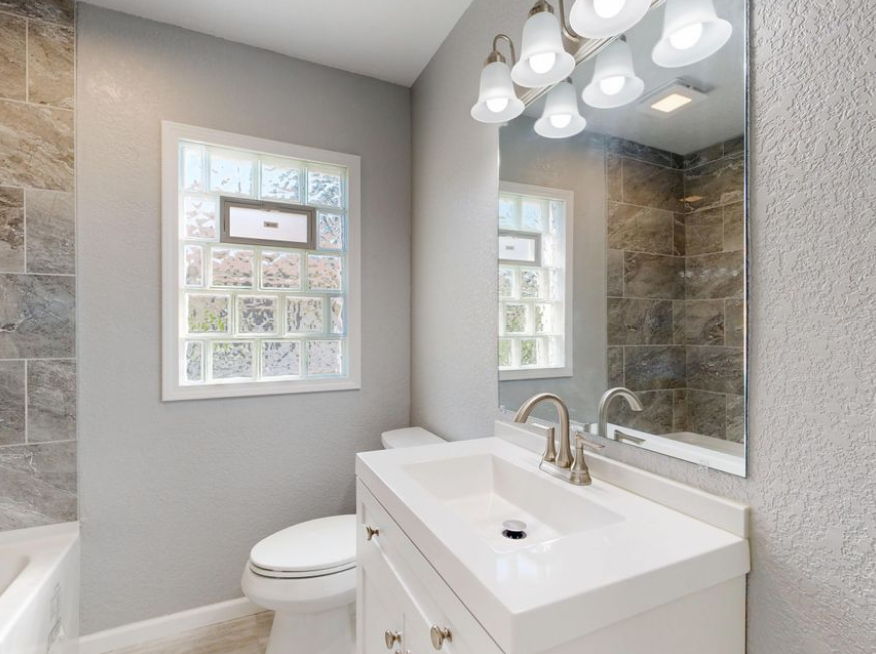
Good bathroom remodeling isn’t just about making the room prettier. It’s about improving flow. That can mean widening a shower entry, adding layered lighting, upgrading ventilation, or choosing materials that don’t turn cleaning into a weekly grudge match.
Useful upgrades often include:
– Slip-resistant flooring
– Better task lighting at the mirror
– Storage that keeps counters clear
– Water-efficient fixtures
– Easy-entry showers for long-term accessibility
If you’re comparing contractors, it helps to look at firms that handle both practical upgrades and finish details well, such as a window replacement and bathroom remodeling company with experience in performance-and-efficiency-centered renovations. The key is matching design goals with how the room actually gets used.
Windows Affect More Than Curb Appeal
People often treat windows like a cosmetic update, but they do serious behind-the-scenes work. Good windows help control indoor temperature, reduce outside noise, and protect interiors from excessive sun exposure.
If you’ve got older windows, you may notice rising utility bills, faded furniture, or that annoying whistle of air movement near the frame. Replacing them can improve comfort in a way that feels immediate. You’re not imagining it; building performance is part of design, even if it sounds less glamorous than a mood board.
When evaluating options, pay attention to:
– Frame material and maintenance needs
– Energy efficiency ratings
– Glass type and UV protection
– Ventilation style
– How the window fits your climate
A home that holds temperature well simply feels calmer. That matters more than many people expect.
Materials Matter More Than Trend Cycles
Trends move fast. Your grout will still be there when the algorithm has moved on. That’s why material selection deserves more attention than whatever style is currently dominating social media.
In high-use spaces, durability beats novelty almost every time. A beautiful finish that stains easily or scratches after a month can turn into regret with a receipt attached.
When choosing materials, think about:
– Moisture resistance in bathrooms
– Scratch and dent tolerance
– Cleaning requirements
– Longevity versus upfront cost
– Whether the finish suits your household habits
For example, matte surfaces can hide fingerprints better, while some glossy finishes show every splash like they’re collecting evidence. Natural stone may look amazing, but it often asks for more maintenance than people expect. The smartest choices are the ones you’ll still appreciate after years of actual use.
Energy Efficiency Is a Design Decision Too
Design conversations often get stuck on aesthetics, but energy efficiency deserves a seat at the table. It affects your monthly bills, indoor comfort, and how hard your HVAC system has to work.
Window upgrades play a major role here, especially in climates with intense heat, humidity, or major seasonal shifts. Bathrooms also matter because poor ventilation can lead to moisture buildup, mold risk, and warped materials. Nothing says “hidden cost” quite like discovering your fan has basically been decorative.
A more efficient remodel may include:
– Insulated or impact-resistant windows
– Low-E glass for solar control
– Proper sealing around frames and openings
– Exhaust fans with adequate power
– Water-saving toilets and faucets
These decisions don’t just lower waste. They make your home feel more stable and easier to manage day to day. Quiet efficiency is still good design, even if nobody posts it on Pinterest.

Remodeling for Resale Usually Starts With Livability
Many homeowners think about resale while planning improvements, and that makes sense. Still, the projects that add the most value often improve your experience first. Buyers notice homes that feel bright, functional, and well maintained.
Bathrooms and windows both have strong appeal because they signal care, efficiency, and lower future hassle. A refreshed bathroom can make the whole home feel newer. Updated windows suggest attention to comfort and operating costs, which buyers definitely clock during showings.
Features that tend to help resale include:
– Neutral but not boring finishes
– Strong lighting
– Quality installation
– Energy-conscious upgrades
– Accessible, low-maintenance design
Trying to design only for a hypothetical future buyer can make the space feel generic. Aim for broad appeal, but keep your own routine in the picture. You live there now, not the mystery person from three years in the future.
Plan the Budget Around Priorities, Not Just Price Tags
A remodel budget can get messy fast, especially when every upgrade starts sounding essential. It helps to separate needs from wants before work begins.
Start with the changes that improve function, efficiency, or safety. Then look at aesthetic upgrades. That order keeps you from blowing money on visual details while ignoring the stuff that actually affects daily life.
A solid budget plan should include:
– Core construction or installation costs
– Material allowances
– Permit expenses if needed
– A contingency fund for surprises
– Post-project finishing items
Older homes, in particular, love plot twists. Water damage, outdated framing, or hidden ventilation issues can appear once walls are opened. Planning for that possibility keeps the project stressful, but not catastrophic. There’s a difference.
The Best Remodels Feel Natural After a Week
A successful remodel doesn’t just impress you on day one. It keeps making sense after the novelty wears off. You stop noticing the old frustrations because they’re gone. The room feels easier to use, easier to clean, and more comfortable without demanding constant attention.
That’s the real test. Not whether the space looks expensive, but whether it supports your routines with less friction. Smart windows can quiet a room and steady the temperature. A thoughtful bathroom layout can make rushed mornings noticeably smoother.
If you’re planning home updates, think beyond surface beauty. Pay attention to performance, comfort, durability, and flow. The homes people love living in usually aren’t the flashiest ones. They’re the ones where good design quietly handles the details, so your day runs better without asking for applause.