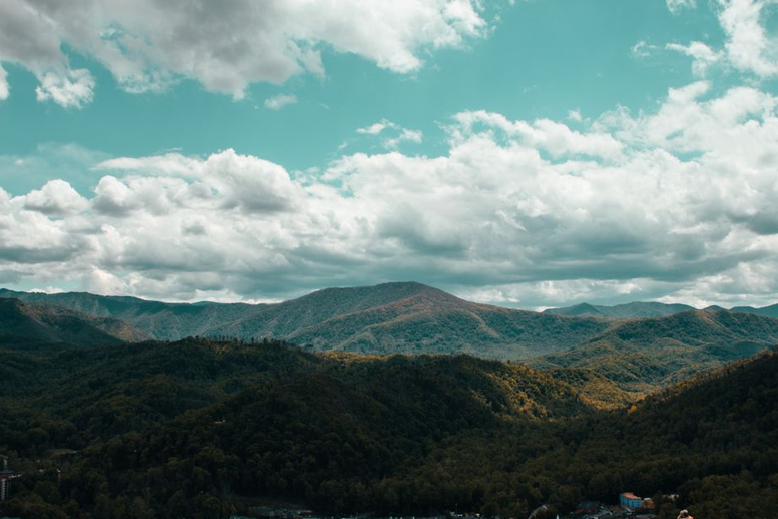
Families spend most of the year moving in different directions, and the hours that everyone shares tend to be short ones. A trip to the mountains near Pigeon Forge changes that rhythm, because the days stretch out and nobody is rushing toward the next obligation.
Time outdoors gives parents and kids something to do together rather than something to watch separately. That difference is what people remember years later, long after the details of the drive have faded.
Finding a Setting That Encourages Everyone to Slow Down
The environment shapes the trip more than the itinerary does. Open ground, moving water, and shade trees invite people to stay put for a while, and that is exactly what a family vacation needs. Choosing where to stay is really a decision about what kind of days you want to have.
Anyone traveling in a recreational vehicle needs level ground, reliable hookups, and enough room to open the awning without crowding a neighbor. Cramped or poorly laid out spots make the whole trip feel like a chore, and families end up spending their evenings indoors instead of outside. A well-planned campground solves that by giving each party space of its own along with easy access to shared facilities. Travelers looking for places to camp in Pigeon Forge will find that Camp Riverslanding offers spacious premium, signature, and riverside spots, several of them sitting right along the natural bank of the Little Pigeon River.
Letting the Days Take Shape on Their Own
One of the quiet advantages of a mountain trip is that it rewards a loose schedule. Families who plan every hour often finish the week feeling like they never actually rested. Leaving mornings open lets people wake up naturally, eat together, and decide as a group what sounds good.
That flexibility also makes room for the small moments that turn into stories. A child spotting a heron along the water, a long conversation over breakfast, an afternoon nobody planned and everybody enjoyed. None of that appears on an itinerary, and none of it happens when the family is chasing reservations from one end of the day to the other. Timing your outings for the earlier part of the morning keeps the roads easy and leaves the afternoon free.
Giving Children Room to Explore Safely
Kids experience a trip differently than adults do. What registers for them is freedom, the sense that they can wander a little and come back on their own. That feeling is hard to create at home, where fences and traffic set the boundaries.
A setting with defined paths, open common areas, and clear sight lines lets parents relax while children roam. Simple ground rules work best. Agree on how far is far enough, pick an easy landmark as a meeting point, and check in at set times. Children who are trusted with a bit of independence tend to rise to it, and they come back with more energy and better moods than they left with.
Bringing along a few things that encourage outdoor play helps too. Bikes, a ball, fishing gear, or a simple bag of chalk will occupy an afternoon better than any screen. The goal is not to fill every hour but to make the outdoors the easiest option available.
Cooking and Eating Together
Meals do more work on a family trip than people expect. Restaurants are convenient, but sitting down at a table you set yourselves, outdoors, with everybody having had a hand in it, produces a different kind of evening. Kids who help cook eat better and complain less.
Plan simple menus. Foods that cook over a fire or on a griddle keep the process fun without turning it into work. Assign small jobs so nobody is stuck doing everything, and keep cleanup light by using fewer pans than you think you need. Breakfast outdoors, with cool mountain air and coffee, is one of the most reliably pleasant parts of any trip.
Bring more water than you plan to drink and keep snacks accessible. Active days in the fresh air burn through energy quickly, and a hungry group loses patience fast.
Building in Real Downtime
Vacations fail when they become a second job. Every family has a member who wants to see everything and another who would rather sit still, and both need to be accommodated. Blocking out genuine downtime, whole afternoons with nothing scheduled, prevents the friction that builds when people feel dragged along.
Downtime also gives the trip texture. A quiet stretch by the water, a book in a folding chair, a nap in the shade. Those hours are what make the busy ones enjoyable rather than exhausting. If someone wants to head out while others stay behind, let them. Splitting up for part of a day usually makes the group happier when it comes back together.

Evenings are the natural gathering point. Once the sun drops and the fire is going, conversation happens without anyone having to arrange it. Cards, music, or nothing at all will fill the time perfectly well.
Packing With the Weather in Mind
Mountain conditions shift over the course of a day, and comfort depends almost entirely on being ready for that. Mornings run cool even in warm months, afternoons warm up, and evenings cool off again. Layers handle all three without anyone having to change clothes.
Pack sturdy shoes for everyone, since uneven ground and river banks call for better footing than sandals provide. Rain gear is worth the space it takes, and a light jacket per person covers most temperature swings. A small first aid kit, insect repellent, sunscreen, and a couple of flashlights round out the essentials.
Keep a bin of shared supplies rather than scattering things across bags. When everyone knows where the towels, the lighter, and the extra batteries are, the small annoyances disappear.
Making It Something Everyone Wants to Repeat
The trips families return to year after year are the ones that felt easy. Nobody remembers the perfect schedule. They remember the river, the food, the fire, and the fact that everyone was in the same place at the same time with nothing pulling them apart.
Ask the kids what they liked best before you head home, and write it down. Those answers shape the next trip better than any planning guide, and they turn a single vacation into a tradition.