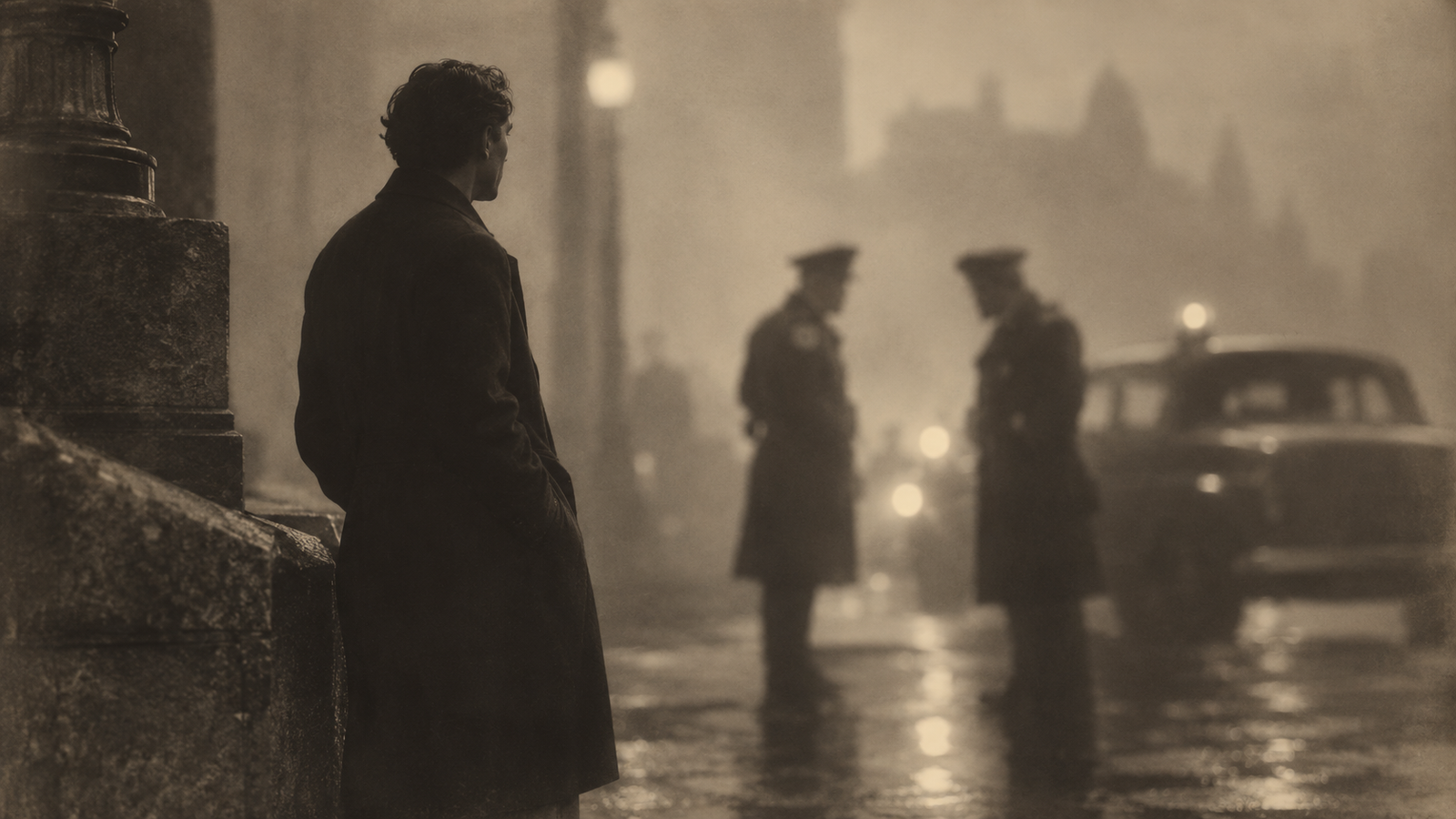
Most people are raised to cooperate with police. Answer the questions, be polite, explain yourself, and everything will work out. If you haven’t done anything wrong, what’s the harm in talking? It seems like the honest, helpful thing to do.
The twist surprises a lot of people. In many situations, choosing not to answer questions is a fully protected legal right. Saying nothing isn’t rude, suspicious, or an admission of guilt. It’s a choice the Constitution specifically allows.
That protection comes from the Fifth Amendment, one of the most famous parts of the Bill of Rights. Knowing how it works, and where its limits are, can help people make smarter decisions during some of the most stressful encounters they’ll ever face.
What the Right Against Self-Incrimination Actually Protects
The Fifth Amendment says no one can be compelled to be a witness against themselves in a criminal case. In plain terms, the government generally can’t force you to provide testimony that could be used to convict you.
That protection applies to testimonial evidence, meaning communications that reveal what’s in your mind, like statements, answers to questions, or written explanations. It covers police questioning, court proceedings, and certain other settings where answers could expose someone to criminal liability.
It does have limits. The right applies when answers could incriminate the person speaking, not simply when the questions are uncomfortable. It also doesn’t protect someone from being compelled to testify if they’ve been given immunity that removes the risk of prosecution.
Why Talking Can Sometimes Create Unexpected Legal Problems
Even innocent people can get tangled up by their own words. Nervousness can lead to mistakes, like getting a time wrong or forgetting a detail. Later, those small inconsistencies can be portrayed as lies. Small details can take on outsized importance.
Statements can be misunderstood or taken out of context. An offhand remark, a joke, or a casual explanation might sound very different when written in a police report or repeated in court. Tone and nuance often get lost.
Evidence can contradict what someone says, even if they believed they were telling the truth. Memory is imperfect, and police may have video, phone records, or witness statements that conflict with a person’s account. Those conflicts can become central evidence in a criminal case.
The Difference Between Staying Silent and Invoking Your Rights
Simply staying quiet isn’t always enough. Courts have held that in some situations, people must clearly state that they’re invoking their right to remain silent. Ambiguous silence or vague comments may not trigger the full protection. Specific words can make a real difference.
Miranda warnings come into play during custodial interrogation, meaning questioning while someone is in custody. Police must inform suspects of their rights, including the right to remain silent and the right to an attorney. If those warnings aren’t given properly, statements may be suppressed.
Context makes a big difference. A casual conversation during a traffic stop isn’t the same as a formal interrogation at the station. Clearly saying something like I’m choosing to remain silent, and asking for a lawyer, can help make a person’s intentions unmistakable.
What Silence Does Not Automatically Protect You From
The Fifth Amendment doesn’t erase every legal obligation. In some situations, people may be required to identify themselves. Ohio law, for example, allows officers to require certain identifying information when they reasonably suspect someone has committed a crime.

Lawful police instructions still need to be followed. If officers order someone to step out of a car or stop moving, refusing can lead to separate charges. Remaining silent doesn’t mean ignoring commands. Cooperation with lawful commands is still required.
Non-testimonial evidence isn’t covered either. Fingerprints, DNA samples, blood draws with proper legal authority, handwriting samples, and appearing in a lineup generally fall outside Fifth Amendment protection. The right covers what people say, not physical evidence. The line is between speaking and physical evidence.
Conclusion
The right to remain silent is one of the most powerful protections in the Constitution, yet many people don’t realize how and when to use it. Choosing not to answer questions can be a smart, lawful decision.
Talking can sometimes create problems, even for people who’ve done nothing wrong. Misunderstandings, memory gaps, and conflicting evidence can turn innocent statements into serious trouble. Silence is a right, not a sign of guilt.
Knowing when not to speak matters. Clearly invoking the right to remain silent, asking for an attorney, and remembering the limits of that right can help people protect themselves during police encounters while still following lawful instructions. Preparation beats panic in these moments.