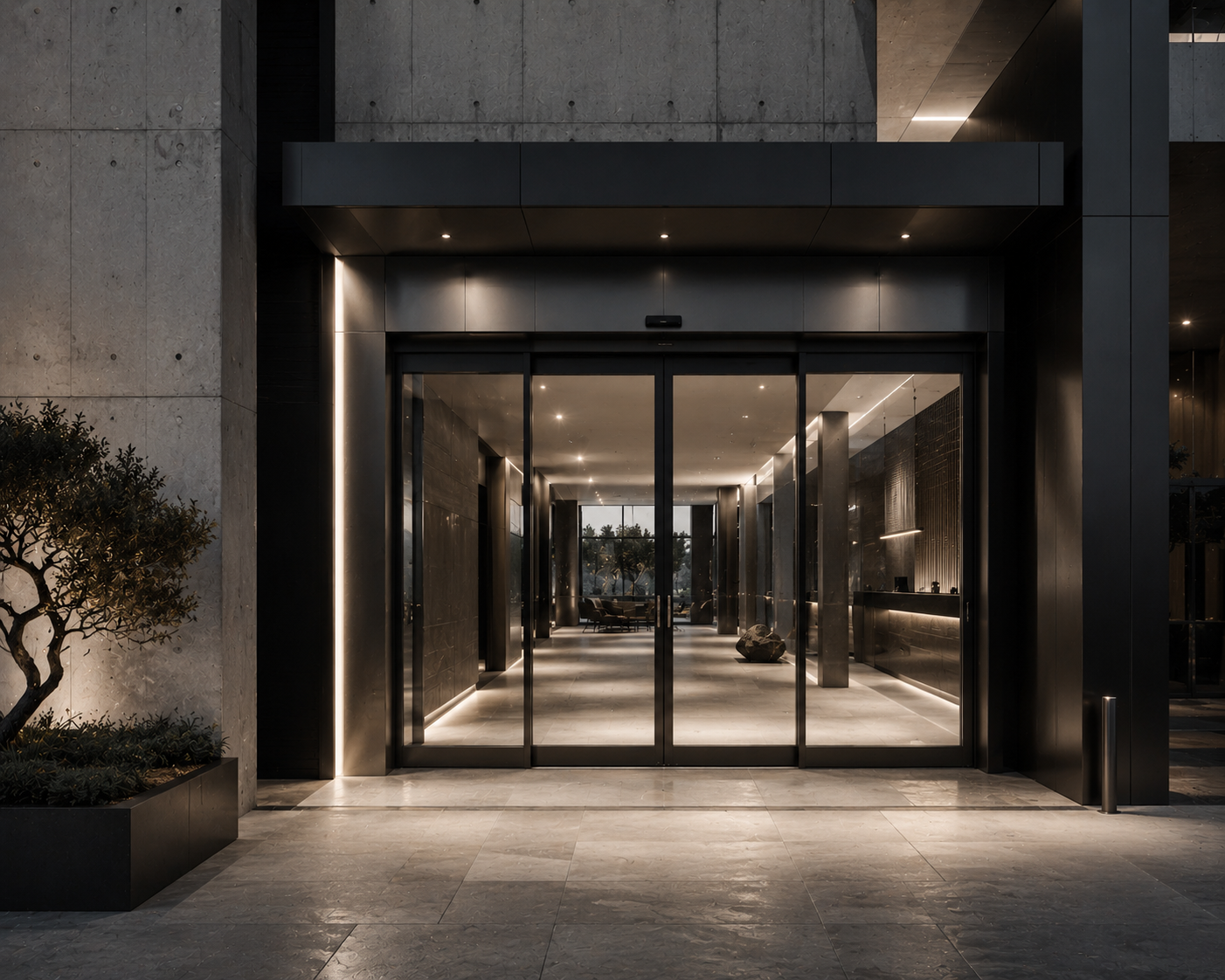
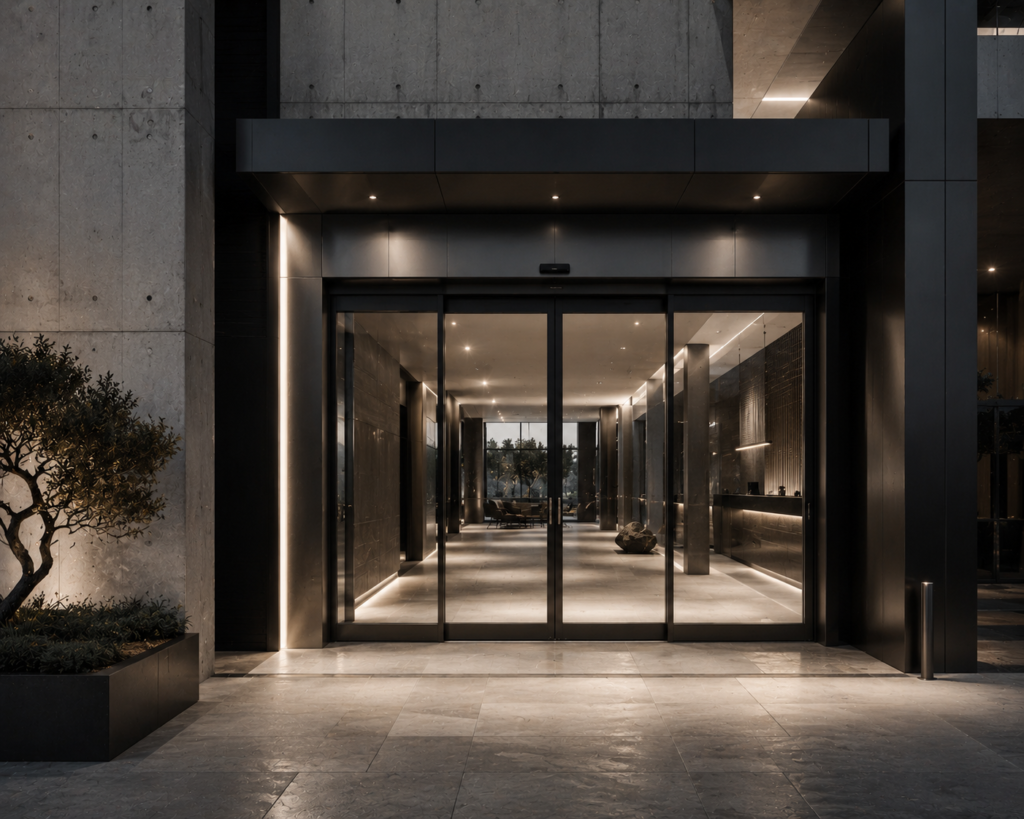
Automatic door systems are one of the most visible investments a commercial building can make. They shape the first impression visitors receive, influence how efficiently people move through a space, and play a direct role in the security and accessibility of the premises. Specialists such as Dasco Entrance Technology design, manufacture, and install automatic door systems built around the specific requirements of commercial properties.
Why Automatic Doors Matter Beyond Convenience
An automatic door system does more than eliminate the need to push or pull a handle. It reduces the spread of bacteria at high-touch points, improves energy efficiency by controlling the flow of conditioned air, and supports compliance with accessibility legislation that requires businesses to provide equal access for all users. In busy environments such as healthcare facilities, retail spaces, and office buildings, these practical benefits add up to a measurable improvement in daily operations.
The Main Types of Automatic Door Systems
Sliding doors are the most widely installed type of automatic door in commercial settings. They open horizontally and are particularly suited to high-footfall environments where speed and minimal obstruction matter. Swing doors offer a familiar appearance and are available in single or double-leaf configurations, making them a practical choice for office buildings and academic institutions. Bi-folding doors create a wide opening by folding panels back on themselves, which is useful where structural constraints limit swing clearance. Revolving doors manage continuous traffic flow while maintaining the building’s thermal envelope and are a common choice for hotels, corporate offices, and public-sector buildings.
What Telescopic Sliding Doors Offer
Telescopic sliding doors are a variation on the standard sliding door that stacks multiple panels in sequence to create a wider opening within a smaller frame footprint. This is particularly useful where the wall space beside the door opening is limited, such as in narrow corridors or older buildings where significant structural modification is not viable. The panels retract one behind the other, maximising the clear opening width available to users.
Integration with Access Control Systems
Modern automatic door systems are designed to integrate with a building’s broader security infrastructure. Electromechanical lock mechanisms can be integrated with access control systems, allowing entry to be restricted to specific cardholders, PIN-code users, or biometric-verified individuals. This integration also allows door behaviour to be linked to fire alarm systems, so that in the event of an emergency, the doors respond in accordance with the fire strategy agreed with the building control officer.
Accessibility Compliance
Commercial buildings in the United Kingdom are required to comply with the Equality Act 2010, which places a duty on building operators to make reasonable adjustments that allow disabled people to access their premises. Automatic door systems satisfy this requirement by eliminating the physical barrier posed by manual operation. Hands-free swing and sliding doors are particularly relevant in healthcare settings, where both patients and staff benefit from the ability to move through doorways without using their hands.
Maintenance and Long-Term Reliability
An automatic door system is a mechanical installation that requires periodic maintenance to remain in safe working order. Routine inspection covers the condition of the drive mechanism, the sensors that detect approaching users, the integrity of the locking components, and the alignment of the door panels. Many suppliers offer service contracts that include scheduled preventative maintenance visits and priority response for emergency repairs. A well-maintained system will continue to operate reliably for many years and will represent better long-term value than one left unserviced.

Choosing the Right System for Your Building
The correct automatic door system for any given building depends on several factors: the volume of daily users, the nature of the space, the security requirements, the available structural clearance, and the aesthetic standards the building owner wishes to maintain. An entrance to a busy hospital emergency department has very different requirements from those of a small professional office. Working with a specialist who surveys the site and recommends a system tailored to the specific conditions will yield a more reliable outcome than selecting a product from a catalogue without that context.
What to Expect from a Professional Installation
A professional automatic door installation begins with a site survey that assesses the structural conditions, the traffic patterns, and the existing security infrastructure. From there, the system is specified and manufactured to meet the project’s dimensions and performance requirements. Installation is carried out by engineers who minimise disruption to the building operations, and handover includes commissioning, testing, and documentation. A warranty on parts and workmanship assures that any issues arising during the initial period will be addressed at no additional cost.