Family camping sounds exciting, but trips with kids require careful planning. Parents need to think ahead about safety, comfort, meals, sleep, and daily structure before loading the car. A solid plan keeps small issues from turning into big frustrations. Kids thrive when they know what to expect, so simple conversations about the trip can ease nerves and build excitement.
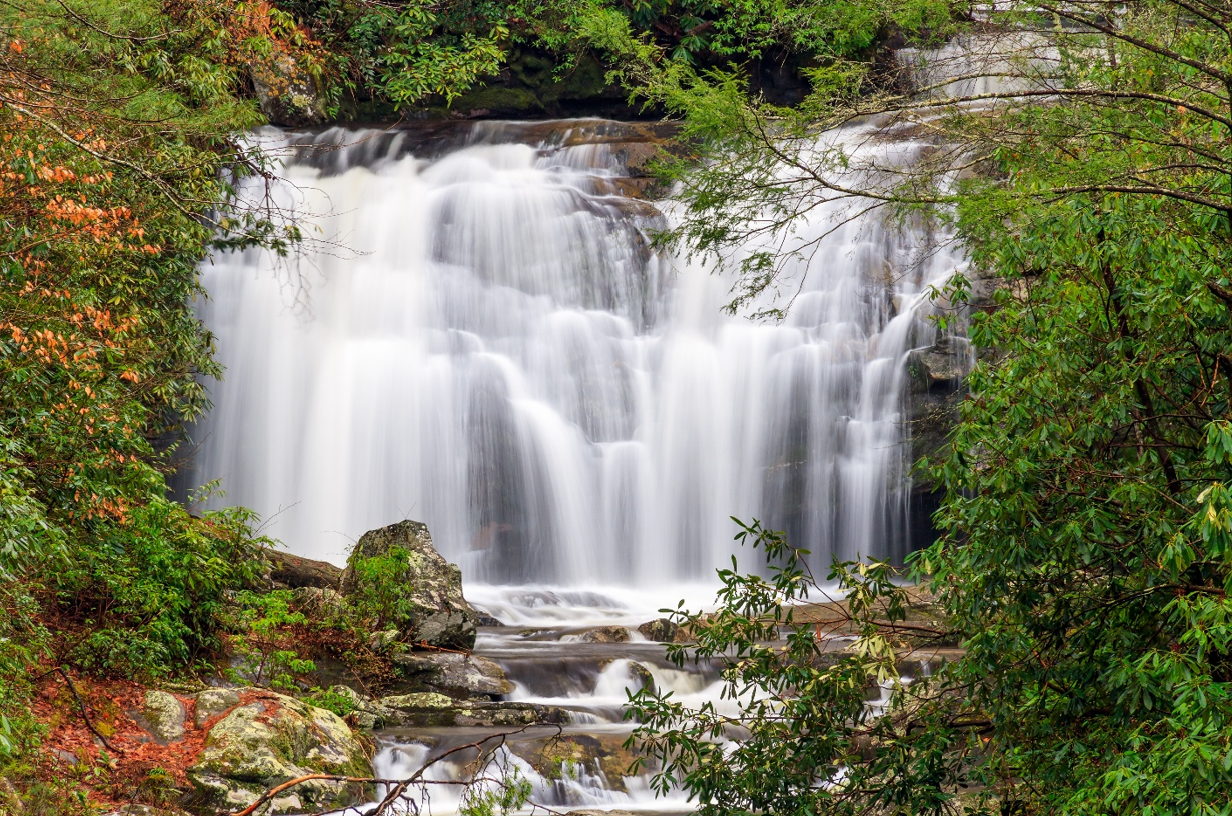
The Smoky Mountains offer an ideal setting for families who want both adventure and connection. Scenic trails, peaceful mornings, and evenings around the fire create space for meaningful conversations. Children tend to open up when distractions fade, and nature takes center stage.
A Thoughtful Plan Before You Leave
Preparation sets the foundation for a stress-free trip. Start with a clear outline of how many days you will camp and what each day might look like. Avoid filling every hour with activity. Kids need downtime to recharge, especially in a new environment.
Discuss the trip with your children ahead of time. Explain where you will sleep, how meals will work, and what activities they can expect. Familiarity reduces anxiety and builds excitement. Let them help pack a few personal items so they feel involved in the process. Packing with intention also prevents unnecessary stress. Focus on essentials such as clothing layers, toiletries, and simple comfort items.
The Right Campsite for Your Family
The campsite you choose shapes the overall tone of your trip. Families with young children benefit from flat ground, nearby restrooms, and easy access to water. Comfort and convenience support smoother daily routines.
Research ahead of time and look closely at maps or reviews. Pay attention to the distance from parking areas and trailheads. Long walks with heavy gear can feel exhausting before the fun even begins. Many families discover that camping in the Smoky Mountains offers a mix of accessible sites and beautiful surroundings that appeal to both parents and kids. For example, Camp Riverslanding provides spacious riverfront campsites in a well-maintained setting. Clean restrooms, a pool, playground areas, and easy access to nearby attractions help families stay comfortable while keeping children engaged throughout the trip. Natural beauty feels even more enjoyable when basic needs are met without hassle.
The Right Gear for Young Campers
Comfort influences mood more than many parents realize. Children who sleep well and stay warm are far more likely to enjoy the trip. Sleeping bags designed for their size help trap body heat more effectively. A simple sleeping pad adds cushioning and insulation from the ground.
Layered clothing works better than bulky outfits. Temperatures often shift between day and night, so flexible options allow quick adjustments. Pack an extra set of clothes in case of spills or unexpected weather changes.
Simple and Flexible Meal Plans
Food plays a central role in maintaining energy and positive attitudes. Plan meals that are easy to prepare and require minimal cleanup. Pre-chopped vegetables, marinated proteins, and simple breakfast options save time at the campsite.
Healthy snacks should always be within reach. Granola bars, fruit, trail mix, and sandwiches keep hunger from disrupting activities. Regular snack breaks can prevent irritability and fatigue. Invite children to help with age-appropriate tasks such as setting up plates or stirring ingredients. Participation builds confidence and keeps them engaged. Mealtime becomes part of the adventure rather than a chore.
Clear Safety Rules Everyone Understands
Safety conversations work best when they feel calm and direct. Establish clear boundaries around the campsite. Show children exactly where they can explore and where they should stop. Visual cues such as a nearby tree or picnic table can serve as simple markers.
Explain what to do if someone gets separated from the group. Practice staying in one place and calling out for help rather than wandering further. Confidence grows when kids understand the plan. Keep a well-stocked first-aid kit in an accessible location. Minor scrapes and bumps happen during outdoor play. Quick responses prevent small injuries from escalating.
Fun Activities That Keep Kids Engaged
Outdoor trips feel smoother when kids have meaningful ways to stay engaged. Open space invites exploration, yet a little structure keeps boredom from creeping in. Plan a few simple activities for each day, then allow room for spontaneous discoveries.
Nature walks become more exciting when children have a small purpose. Encourage them to spot different leaf shapes, bird calls, or animal tracks. A basic scavenger hunt keeps attention focused while still feeling playful. Hands-on learning tends to hold their interest longer than passive observation.

Healthy Sleep Routines Outdoors
Rest influences the overall mood of the trip. Children who get enough sleep handle minor setbacks with more patience. A loose routine provides comfort even in a new setting. Begin winding down before darkness settles in. Quiet conversation, a short story, or soft music inside the tent signals that bedtime is approaching. Familiar rituals from home can ease the transition into outdoor sleeping.
Lighting matters as well. Use soft lantern light rather than bright beams when possible. A calm environment helps kids settle more quickly. Encourage bathroom visits before climbing into sleeping bags to reduce midnight disruptions.
Calm Responses to Unexpected Challenges
Outdoor adventures rarely unfold exactly as planned. Weather may shift, gear might malfunction, or a trail could feel longer than expected. Your reaction shapes how your children interpret these moments.
Stay composed when minor issues arise. A steady tone and practical approach teach resilience without turning small inconveniences into major events. Problem-solving together builds confidence. Invite kids to help think through simple solutions when appropriate. Rain can turn into an opportunity for card games inside the tent. A delayed hike might open time for a relaxed lunch or quiet conversation. Flexibility keeps frustration from overshadowing the experience.
Camping with kids blends preparation, flexibility, and shared intention. Thoughtful planning before departure reduces stress once you arrive. Choosing the right campsite, packing comfortable gear, and keeping meals simple create a strong foundation. Clear safety rules build confidence and allow children to explore within healthy boundaries.
Engaging activities and consistent sleep routines support steady energy throughout the trip. Calm responses to unexpected challenges reinforce resilience and teamwork. Each element works together to create an experience that feels manageable rather than overwhelming. Time outdoors invites families to slow down and reconnect. Conversations feel more natural without constant distractions. Laughter around the fire and quiet mornings under open skies stay with children long after the trip ends.