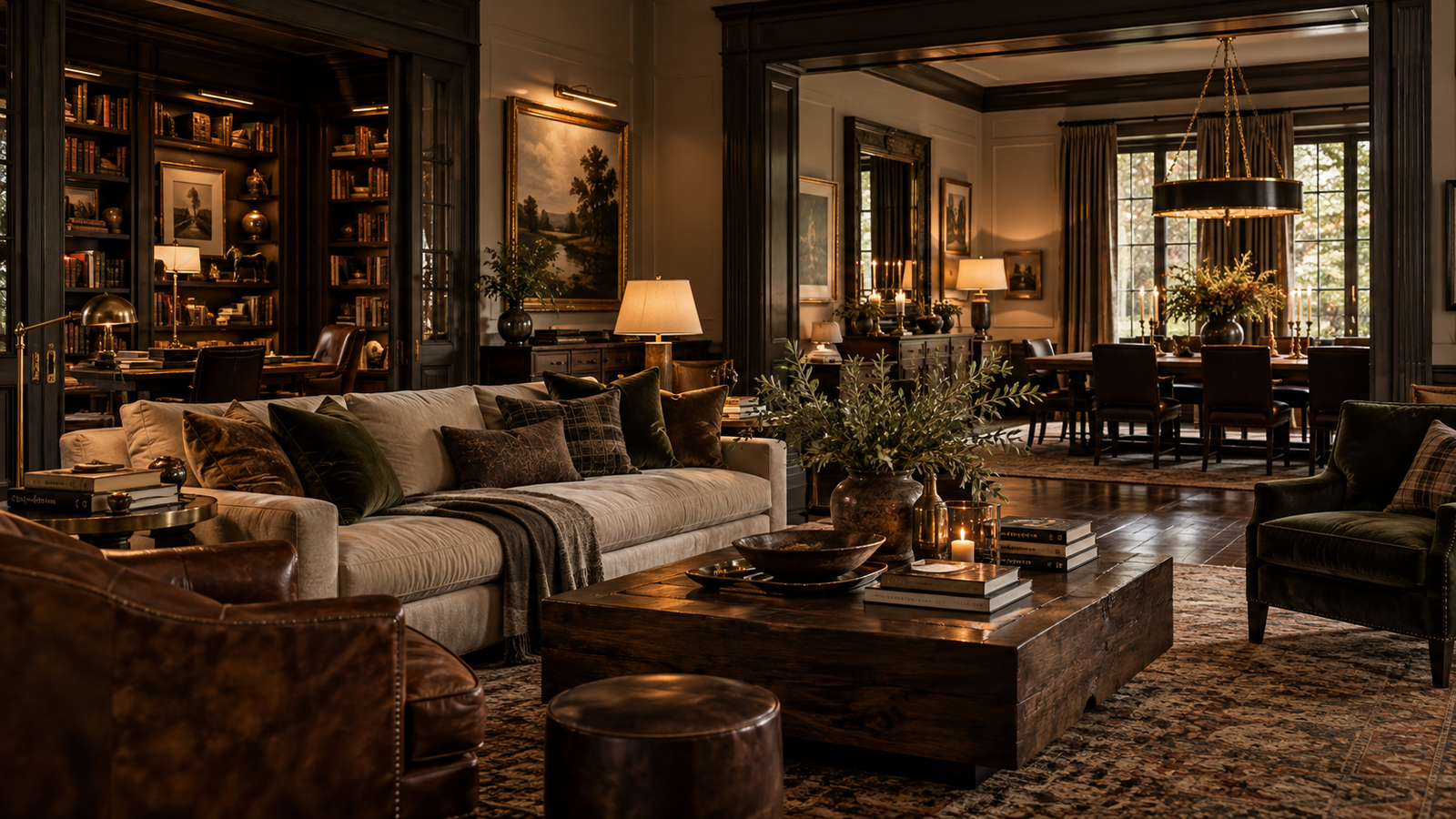
For Houston homeowners, modern design has to accomplish more than looking clean and contemporary. A house must handle hot summers, changing household routines, entertaining, storage, working from home, and the practical realities of everyday life in a sprawling metropolitan area. That is why the most successful modern homes are moving beyond the familiar formula of white walls, oversized islands, and open floor plans. Good design now depends on how intelligently rooms connect, how easily spaces can change purpose, and whether the home remains comfortable when daily life gets messy. In Houston, modernity is increasingly about making a house work better, not simply making it look newer.
Start With the Way You Want the Home to Feel
Before comparing finishes or architectural styles, think about the experience you want when you walk through the front door.
Some households prioritize large gathering spaces. Others want privacy, outdoor access, home offices, or enough flexibility for children and visiting relatives. Those priorities should shape the floor plan before cosmetic decisions begin.
People considering new build homes in Houston can benefit from comparing communities as carefully as individual houses. Greater Houston offers everything from urban infill neighborhoods with first-floor living to master-planned developments featuring trails, lakes, gathering spaces, and larger homesites.
Modern design works best when the house and its surroundings support the same lifestyle. A beautiful floor plan becomes far more useful when its location, outdoor spaces, amenities, and daily travel patterns also make sense.
Give Open-Plan Living Some Boundaries
Open floor plans remain useful, but completely removing boundaries can create new problems.
When the kitchen, dining room, and living area occupy one uninterrupted space, noise travels easily. Cooking smells spread, televisions compete with conversations, and anyone trying to concentrate may struggle to find somewhere quiet.
Modern design can keep the sense of openness without making every activity happen in one room.
Use furniture placement, ceiling treatments, lighting, partial walls, or changes in flooring to create subtle zones. A secondary living room, study, or flex space can provide separation when someone needs privacy.
The goal is not to return to a house filled with small enclosed rooms. It is to create enough distinction that multiple people can use the home differently at the same time.
Design Around Houston’s Heat Instead of Fighting It
A Houston home cannot ignore climate.
Large windows may create beautiful interiors, but their orientation matters when intense sunlight enters during the hottest part of the day. Covered patios, appropriate shading, thoughtful glazing, insulation, and efficient cooling strategies can influence comfort as much as visual design.
Consider how sunlight moves around the property before deciding where major windows should go.
Outdoor spaces deserve similar attention. A patio that receives harsh afternoon sun with no protection may look impressive on a plan but receive surprisingly little use.
Covered outdoor living areas can create a more practical transition between interior and exterior spaces.
Modern architecture should respond to its environment. In Houston, that means designing for natural light while also thinking seriously about shade, heat, humidity, and how people will actually use outdoor areas during warmer months.
Make the Kitchen Work When Nobody Is Entertaining
Modern kitchens are often designed as visual centerpieces. Huge islands, pendant lighting, dramatic surfaces, and open shelving can photograph beautifully.
But most kitchen hours are ordinary.
Someone is making coffee, packing lunch, unloading groceries, cleaning dishes, or trying to find a container lid.
Plan for those moments.
Think about the path between the refrigerator, preparation areas, sink, pantry, and cooking appliances. Provide enough storage to keep frequently used objects accessible without covering every work surface.
A walk-in or well-designed pantry can reduce pressure on the main kitchen, while an island should have enough clearance around it for people to move comfortably.
The best modern kitchen can handle a party on Saturday night and a rushed breakfast on Monday morning equally well.
Stop Treating Storage as Leftover Space
Minimalist interiors only look minimal when belongings have somewhere to go.
That makes storage one of the most important—and least glamorous—parts of modern home design.
Plan where luggage, cleaning supplies, sports equipment, seasonal decorations, shoes, tools, bulk groceries, and household equipment will live before construction is complete.
Storage should also appear where items are actually used.
A linen cupboard near bedrooms is more practical than one across the house. Entry storage can prevent bags and shoes from spreading into living areas. Garage storage can keep equipment accessible without consuming parking space.
Instead of asking how many closets a floor plan includes, examine their dimensions and locations.
Good storage does something remarkable: it allows the rest of the architecture to remain visually calm without requiring everyone inside the house to live like a minimalist.
Build Rooms That Can Change Their Jobs
A room designed for only one purpose can become obsolete surprisingly quickly.
The home office that feels essential today might become a nursery later. A playroom may eventually need to serve teenagers, guests, or hobbies. An extra bedroom could become a workspace or accommodation for an older relative.
Modern homes benefit from rooms that can change without major construction.
Think about dimensions, electrical outlets, storage, doors, lighting, and privacy. A flexible room near a bathroom, for example, may have far more long-term usefulness than an awkward space designed exclusively as a study.
You do not need to predict exactly how your household will change.

You simply need to avoid designing a house that assumes life will remain exactly as it is on move-in day.
Make Outdoor Living Feel Connected, Not Added On
In Houston, outdoor space can function as another living area when it is designed intentionally.
Rather than treating the backyard as whatever remains after the house is positioned, consider how indoor rooms connect to it.
A covered patio near the kitchen can make outdoor dining easier. Large doors can visually extend the main living space. Thoughtful landscaping can provide privacy while making views from inside more attractive.
Consider practical details too.
Where will outdoor furniture go? Is there enough shade? How will people carry food outside? Where will wet shoes or pool items enter the house?
Indoor-outdoor living succeeds when moving between the two feels effortless.
A backyard does not need to be enormous to become useful. Good proportions, shade, privacy, and convenient access can matter more than sheer square footage.
Design for Ten Years From Now, Not Opening Day
New homes are easiest to love when everything is untouched.
The more useful test is imagining the property after ten years of ordinary life.
Will the layout still work if household needs change? Is there enough storage? Can rooms adapt? Are high-maintenance finishes located where they will constantly require attention? Does the house offer both shared space and privacy?
Trends will inevitably change.
Today’s preferred colors, fixtures, countertops, and decorative details will eventually be replaced by something else. Structural decisions are much harder to change.
Prioritize circulation, room proportions, natural light, storage, flexibility, energy-conscious choices, and connections to outdoor space before worrying about whether every finish follows the latest aesthetic.
That is where modern home design becomes genuinely modern.
A successful Houston home should not merely represent what buyers want today. It should anticipate that families, careers, routines, and tastes will evolve. When the architecture has enough flexibility to evolve with them, the house can continue feeling contemporary long after its original design trends have disappeared.