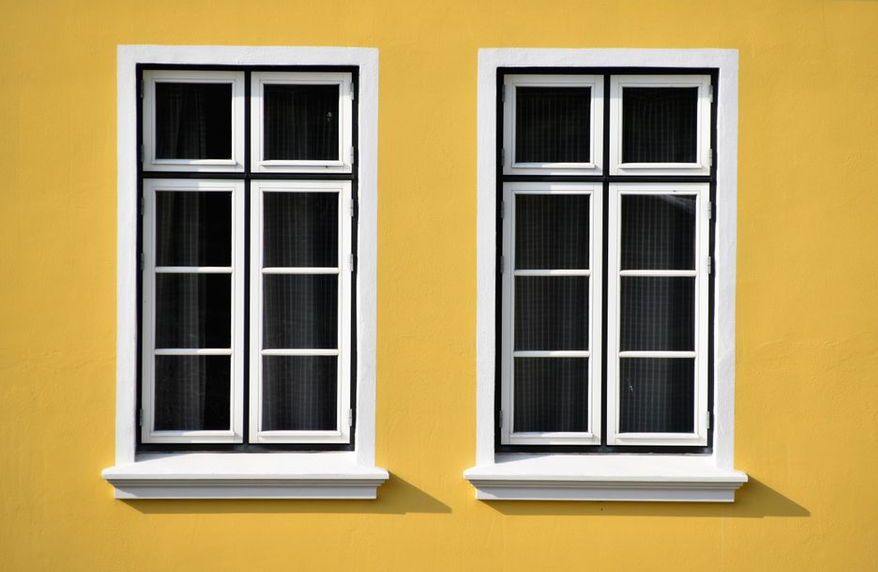
Windows are easy to take for granted until they start making themselves known. Maybe a room feels drafty no matter how high the heat is turned up. Perhaps a sash sticks every time you open it, condensation appears between the panes, or outside noise has become part of the indoor soundtrack.
Replacing windows can address problems like these, but choosing the right ones involves more than finding a style that looks good from the street. Frame materials, glass performance, installation methods, warranties, and everyday usability all influence whether you will still be happy with the decision years later.
Start With the Problem, Not the Product
Before comparing window styles, think about what you actually want to improve.
Drafts may point you toward better insulation and sealing. Excessive afternoon heat could make solar performance more important. Difficult operation may mean the existing frames or hardware are deteriorating. If noise is the problem, glass configuration and sound performance deserve more attention.
Knowing your priorities makes it easier to separate useful upgrades from features that simply sound impressive during a sales conversation.
It also helps to look at the house room by room. A kitchen window above a sink needs to be easy to operate, while a bedroom window brings ventilation and safety considerations into the picture. A large living-room window may be more about daylight and views.
There is rarely one perfect window for every opening in a house.
Installation Can Matter as Much as the Window
A high-performance window cannot compensate for careless installation.
Poor sealing, incorrect sizing, inadequate insulation around the opening, or problems with flashing can undermine comfort and allow air or moisture where it should not be. Installation guidance for replacement windows emphasizes details such as accurate measurement, insulation, leveling, caulking, and exterior sealing.
When evaluating a replacement window company, ask how the existing openings will be assessed and whether insert or full-frame replacement is appropriate for their condition. The discussion should also cover measurement, sealing, insulation, flashing where required, interior and exterior finishing, and how any deterioration discovered around the old frames will be handled.
This context is important because replacement is not always as simple as removing one unit and sliding another into its place. Existing frame condition can influence which installation method makes sense.
The finished window should perform as part of the wall around it, not simply fit inside a hole.
Understand What the Performance Numbers Mean
Energy labels can look like a wall of abbreviations until you know what matters.
Two useful measurements are U-factor and Solar Heat Gain Coefficient, or SHGC. U-factor indicates how effectively a window limits heat transfer, with a lower number generally indicating better insulating performance. SHGC measures how much solar heat passes through the window; again, a lower number means less solar heat enters.
That does not mean you should automatically chase the lowest number available. The appropriate performance characteristics depend on factors such as climate, window orientation, shade, and what you are trying to improve.
Low-emissivity coatings and insulated glass can also influence performance. If outside noise is a concern, ask specifically about sound reduction rather than assuming that every energy-efficient window will automatically make a room dramatically quieter.
Understanding a few basic ratings makes it much easier to compare products on performance rather than marketing language.
Choose a Style That Works With Everyday Life
Window style affects more than appearance.
Double-hung windows are familiar and versatile. Casement windows open outward and can provide a tight seal when closed. Sliding windows are straightforward to operate, while picture windows maximize uninterrupted glass and daylight but do not provide ventilation.
Awning windows can be useful where airflow is wanted without a large opening, and larger architectural styles can introduce more light and visual character.
Rather than selecting one style for the entire house automatically, think about how each opening is used.
You can also explore the differences between common replacement-window styles and installation approaches before settling on a particular design. Insert and full-frame replacements, for example, involve different amounts of the existing window structure and may be appropriate in different circumstances.
A window should look like it belongs to the house, but it should also make sense every time someone opens, closes, cleans, or looks through it.
Frame Material Is a Long-Term Decision
Frames influence appearance, maintenance, durability, insulation, and price.
Vinyl is widely used because it is relatively low-maintenance and can provide good thermal performance. Wood offers a traditional appearance and insulating qualities but generally requires more upkeep. Fiberglass is dimensionally stable and durable, while composite products vary depending on their construction.
Instead of asking which frame material is universally best, consider what you are willing to maintain and how long you expect the windows to remain in place.
Color matters as well. Windows occupy a significant visual area both inside and outside the house. Frame profiles, grille patterns, hardware, and sightlines can subtly change the character of a room and the exterior.
Trends come and go. Windows usually stay much longer.
Compare the Scope, Not Just the Total
Window quotes can vary considerably, and the cheapest number is not automatically the best deal.
One proposal may include upgraded glass, removal and disposal, trim work, finishing, and stronger warranty coverage. Another may initially look cheaper because some of those items are excluded.
Read what each estimate actually covers.
The window series, frame material, glass package, installation method, labor, finishing work, cleanup, and potential additional charges should be reasonably clear. If damaged framing or another hidden issue is discovered after an old window is removed, find out beforehand how that situation would be handled.
This makes comparisons much more meaningful.

The goal is not to choose the proposal with the most impressive brochure or the lowest number at the bottom. It is to understand what you are receiving for the money.
Think About the Installation Day Too
Window replacement is usually less disruptive than many major renovations, but it still temporarily opens parts of your home to construction work.
Furniture may need to be moved. Curtains and blinds may need to come down. Installers will require access to the openings, and some dust and noise should be expected.
The installation method can influence the amount of disruption. An insert replacement window fits within an existing frame, whereas damaged or unsuitable framing may require more extensive work.
Before the project starts, understand which rooms will be worked on first, how long installation is expected to take, what you need to move, and how the crew plans to protect nearby surfaces.
A little preparation can turn installation day from household chaos into a relatively manageable interruption.
Don’t Let the Warranty Become an Afterthought
A warranty sounds reassuring, but the headline number rarely tells the entire story.
Glass, frames, hardware, and installation workmanship may have different coverage periods and conditions. Some warranties may also have requirements or limitations regarding transfer to another owner.
Ask what is actually covered and who handles a claim if something goes wrong.
Installation coverage deserves particular attention because not every future problem necessarily comes from the window itself. If the issue involves sealing, fit, or workmanship, the product warranty may not be the relevant protection.
Keep the final contract, warranty documents, product information, and other paperwork after installation. You may not need any of it for years—which is precisely when remembering where you put it becomes difficult.
Choose for the House You’ll Live in Tomorrow
Windows are a long-term part of a home, so today’s preferences should not be the only consideration.
Think about maintenance. Think about how easy the windows are to operate and clean. Consider whether the design works with the architecture rather than simply following a current trend.
And think about the small everyday improvements you actually want.
Better windows may mean fewer drafts, more comfortable rooms, easier operation, improved daylight, less outside noise, or simply an exterior that looks more cohesive. Those benefits are easy to underestimate because they become part of normal life once the project is finished.
That is ultimately what makes a window replacement successful. The best choice is not necessarily the fanciest product or the one with the longest list of features.
It is the combination of appropriate performance, thoughtful design, sound installation, and a price that makes sense for the home. Get those pieces right, and the windows can quietly go back to doing what good windows do best: letting you enjoy the view without giving you another reason to think about them.