Key Takeaways
- San Antonio Botanical Garden brings gardens, trails, cultural spaces, family discovery, and learning opportunities together in one destination.
- Signature stops include the Lucile Halsell Conservatory, Kumamoto En Japanese Garden, Texas Native Trail, WaterSaver Community, and Family Adventure Garden.
- Most guests should allow two to three hours, or longer when attending a class, guided walk, or seasonal program.
- Hours, tickets, access services, and events can change, so confirm details before your visit.
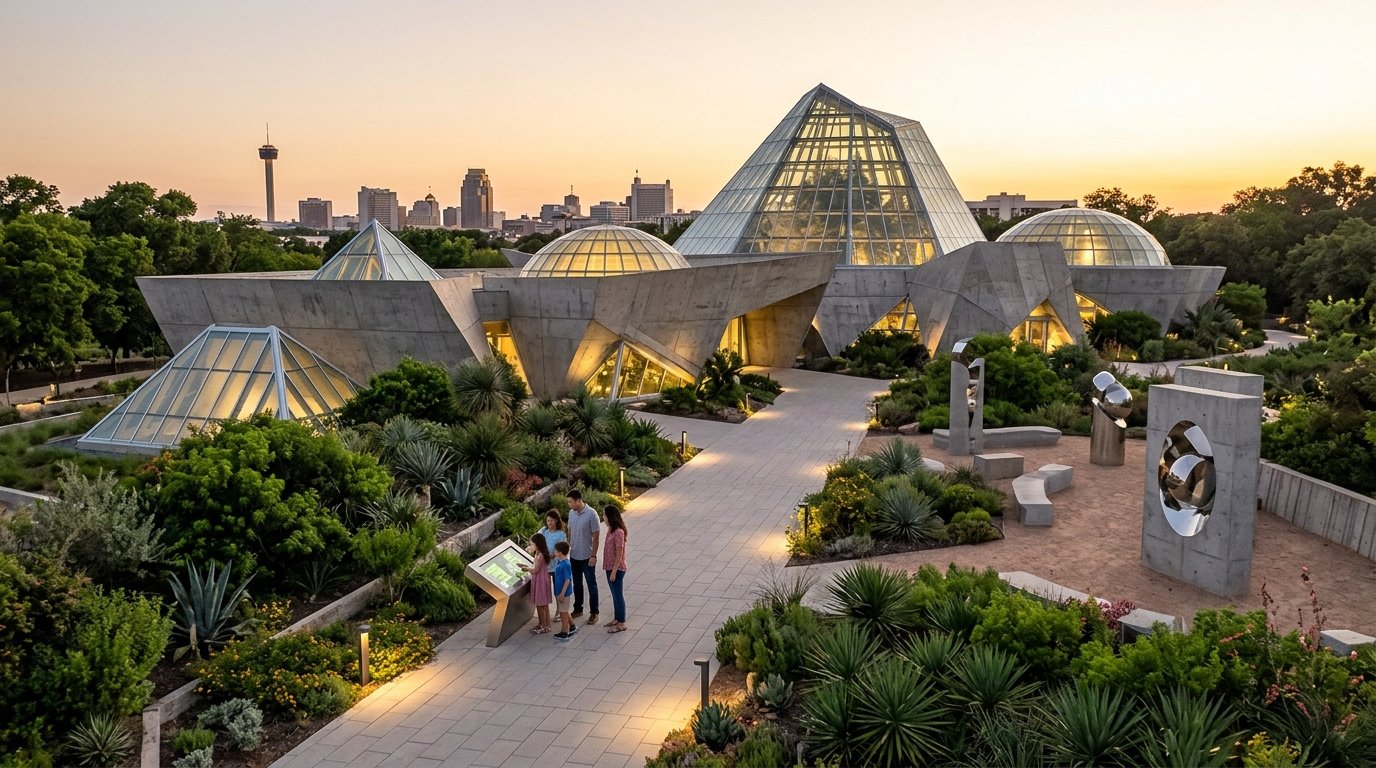
For travelers deciding what to see in San Antonio, the San Antonio Botanical Garden is an excellent place to begin. It offers a slower, more immersive side of the city, where visitors can walk among regional landscapes, explore garden design, encounter plants from different climates, and find room for both learning and play.
Located at 555 Funston Place, just northeast of downtown, the Garden works for a wide range of itineraries. It can be a morning sightseeing stop, an afternoon family outing, a photography destination, or a setting for a class, tour, or special event. Rather than asking visitors to choose between nature, culture, and education, it combines all three.
Why Start at San Antonio Botanical Garden?
The Garden gives first-time visitors a useful introduction to the landscapes that shape South Texas, while also presenting formal plantings, culinary gardens, indoor collections, and spaces designed for children. The experience changes throughout the year as seasonal displays, plants, exhibitions, and public programs rotate.
Set across 41 acres of greenery and plant life, the Garden includes the Texas Native Trail, WaterSaver Garden areas, the Conservatory, Rose Garden, and Old Fashioned Garden, according to the City of San Antonio’s Botanical Garden overview. That variety makes it especially practical for groups whose members have different interests.
What Can Visitors See at the Garden?
Gardens and Trails for Every Pace
Begin with the Texas Native Trail for a closer look at plant communities associated with Texas landscapes. It is a strong choice for anyone interested in native plants, regional ecology, or ideas that translate to a home landscape.
The WaterSaver Community focuses attention on water-conscious gardening, an especially relevant topic in San Antonio’s climate. Nearby, the Mays Family Display Garden provides seasonal color and changing compositions, while the Rose Garden, Old Fashioned Garden, and Sensory Garden offer more structured experiences built around fragrance, texture, color, and plant form.
Kumamoto En Japanese Garden
Kumamoto En is among the Garden’s most distinctive places. Gifted by San Antonio’s sister city, Kumamoto, Japan, in 1989, it features ponds, stone paths, and design elements that reference both Japan’s Mount Fuji and the Texas Hill Country. Its quieter character makes it well-suited to reflective walks, close-up photography, and visitors looking for a cultural dimension within the Garden.
Lucile Halsell Conservatory
The Lucile Halsell Conservatory adds an indoor component to a largely outdoor visit. Its specialized plant environments allow guests to compare how plants adapt to different conditions, making it a worthwhile stop during intense heat, rain, or any time a visitor wants a change of pace. Pair it with the native trail for a visit that moves from regional landscapes to plants associated with very different climates.
How to Plan a Better Garden Day
- Allow enough time: Most visits take about two to four hours. Plan longer if you want a relaxed route, have young children, or are attending a scheduled activity.
- Start with a map: Choose two or three priority areas before walking in. The Conservatory, Kumamoto En, Texas Native Trail, and Family Adventure Garden are a balanced first-visit combination.
- Dress for the weather: Comfortable walking shoes, a hat, sunscreen, and a refillable water bottle are sensible essentials.
- Plan for access: The Garden provides accessible pathways, welcomes wheelchairs and mobility scooters, and offers shaded seating and other visitor amenities.
- Use on-site parking: Free on-site parking is available, but visitors should still check the latest arrival information before heading over.
What Can Families Do?
Families can make the Garden feel less like a passive walk and more like a place to explore. The Family Adventure Garden is designed for nature-based discovery and includes a designated splash area for children. The Children’s Vegetable Garden introduces growing food through observation and hands-on learning.
Programming changes during the year, but the calendar commonly includes storytimes, family workshops, nature exploration, camps, and activities that connect art, food, plants, and outdoor play. Parents should review the current schedule before visiting, particularly when planning around a specific event or school break.
Learning, Conservation, and Community
San Antonio Botanical Garden is more than a sightseeing attraction. Classes and programs cover gardening, food, wellness, art, conservation, and guided exploration, giving adults and children practical ways to connect with plants. School and youth opportunities also help turn garden paths and planted beds into outdoor learning environments.
Its conservation work extends that mission beyond the gates. The TREES Initiative focuses on ecological and environmental stability in Texas, while water-wise displays help local residents more easily visualize sustainable gardening ideas. Visitors can leave with inspiration for patios, yards, school gardens, and community spaces.
What Events Can Visitors Experience?
The 2026 calendar includes changing experiences for different interests. In late summer and early fall, examples include nature exploration in the Family Adventure Garden, storytime, sketching, guided sustainable gardening tours, gardening classes, culinary programs, forest bathing, and community-focused conservation events.

- For families: Look for storytimes, nature exploration, camps, and hands-on workshops.
- For adults: Consider gardening instruction, culinary activities, guided walks, wellness programs, and art sessions.
- For culture seekers: Focus on Kumamoto En, seasonal displays, exhibitions, and architecture throughout the Garden.
- For groups: Explore tours, organized visits, and private-event options.
Tickets, Hours, and Visitor Policies
Operating hours, admission options, and event access may vary by season, day, membership status, and special programming. As of 2026, the Garden lists seasonal hours and identifies Thanksgiving Day, Christmas Day, and New Year’s Day as closures. Confirm your date, tickets, weather plan, and any event-specific requirements before traveling.
Personal photography is welcomed when guests stay on designated paths and do not disturb plants or collections. Staged special-occasion sessions and commercial photography follow separate rules. Pets are generally not permitted, although trained service animals are welcome, and some special events may have different guidelines.
Frequently Asked Questions
What is the best thing to see at the San Antonio Botanical Garden?
For a first visit, include the Lucile Halsell Conservatory, Kumamoto En, and the Texas Native Trail. Together, they provide indoor collections, cultural landscape design, and a strong sense of Texas plant life.
Is the San Antonio Botanical Garden good for families?
Yes. The Family Adventure Garden, Children’s Vegetable Garden, splash area, and changing youth programs give families several ways to tailor the visit to children’s ages and interests.
Why include it in a San Antonio itinerary?
The Garden offers a flexible mix of outdoor recreation, plant discovery, cultural experiences, family activities, and education in one location, making it a rewarding complement to San Antonio’s more familiar urban landmarks.
San Antonio Botanical Garden offers an easy way to add nature, culture, and learning to a San Antonio itinerary. With a mix of gardens, trails, family spaces, indoor collections, and seasonal programs, visitors can shape the experience around their interests and available time. Check the Garden’s current schedule and visitor information before your trip to make the most of your visit.