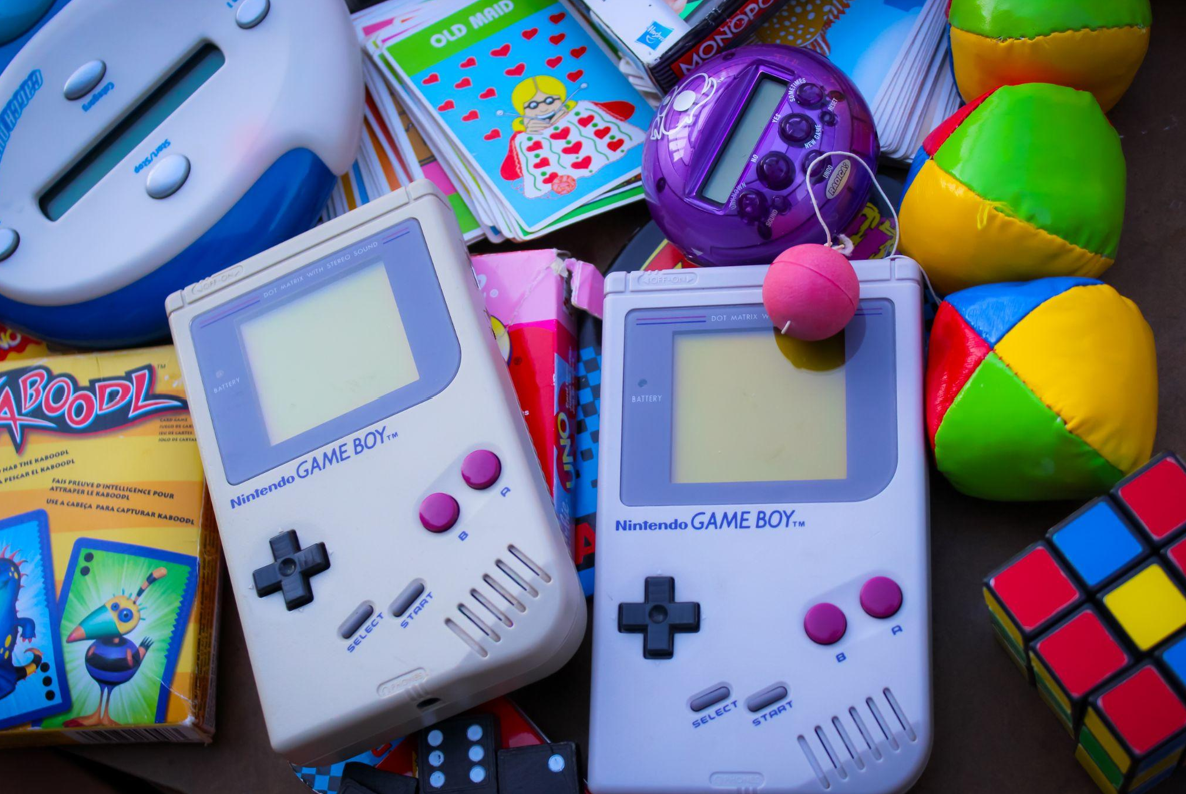
Nostalgia has always had a place in entertainment, and that’s more true than ever today. Old films are returning to cinemas, series reboots are finding new audiences on streaming services, and musicians are reuniting decades after their biggest hits. Digital entertainment is building on that idea as well: games, characters and formats that once belonged to a particular generation can now be brought back with modern graphics, new features or simply a new platform. The appeal of nostalgic entertainment isn’t just that they’re tied to familiar franchises, but that they’re tied to memories, and digital platforms make it easier than ever to revisit them.
Video games provide one of the clearest examples. Remakes and remasters generated 138 million downloads worldwide in 2025, according to Sensor Tower data reported by GameSpot, with 60 million downloads going to remakes and 78 million to remasters. The Last of Us Part I, Resident Evil 4 and Silent Hill 2 were among the more popular remakes, while Grand Theft Auto V: Enhanced led the remaster category.
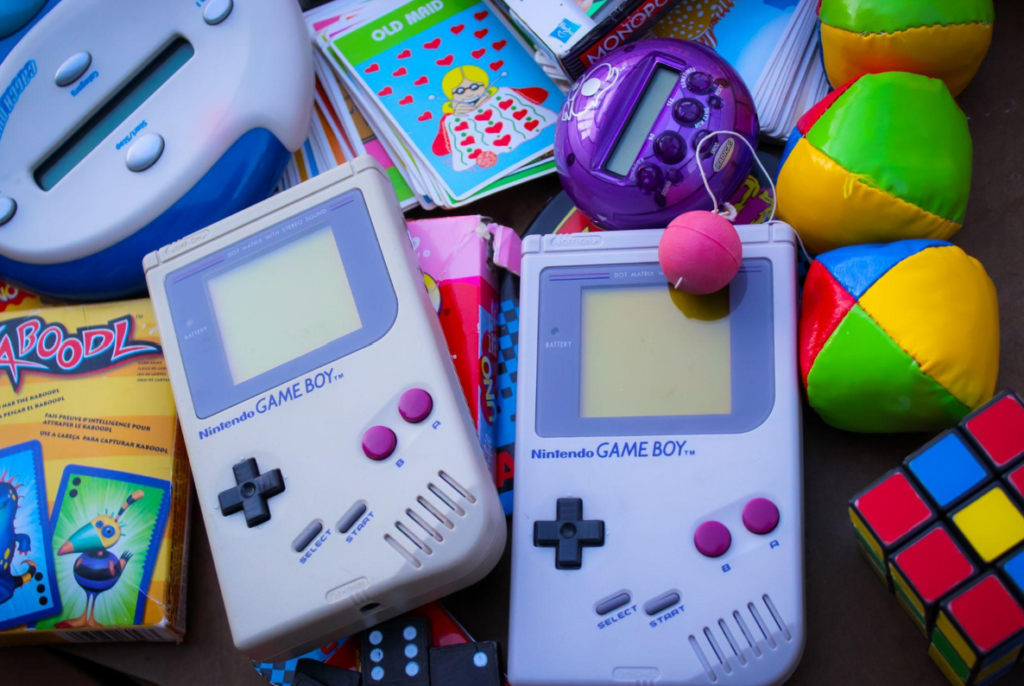
Familiar Ideas Are Returning In New Formats
It’s a pattern that extends beyond traditional video games, with digital entertainment increasingly taking familiar ideas and placing them in formats that feel current. This can mean a redesigned classic game, a revived television franchise or BetMGM slot games that use familiar fruit-machine imagery and sounds. For instance, classic online slots still commonly use three reels and symbols such as fruit, bells and sevens, retaining the basic visual language of mechanical machines while moving it onto phones and computers.
Why Remakes Have Become So Attractive
Given that this is the entertainment industry (and therefore, a place where business and profit are what drive the decision-making), there’s a reason developers have been playing into the hype of nostalgia. Creating something entirely new is difficult, particularly when audiences have more entertainment options than ever. But a recognized name gives a new release an easy starting point with an existing audience (and the potential to expand that audience). Developers can take an established game and rebuild its graphics, controls and systems without throwing away the world that players already know. The result can appeal to someone who played the original years ago while also giving younger players a chance to experience it for the first time.
The numbers suggest that audiences are willing to make that jump. Research from MTM found strong demand for remakes and remasters among regular gamers in the US and UK, with some revived titles reportedly performing better than their original releases. Separately, Ampere Analysis found that 42 re-releases tracked between January 2024 and September 2025 attracted 72.4 million players across Xbox, PlayStation and Steam, with consumers spending $1.4 billion on the games and related in-game purchases.
Nostalgia Works Because It Feels Personal
Because the strongest nostalgic entertainment tends to be connected to a particular memory, it’s going to evoke the strongest emotions in people who knew about the original franchise. The menus, characters and locations can bring back memories of where and when the original was played. There’s also the fact that someone who played Resident Evil 4 as a teenager won’t approach its remake in quite the same way as someone encountering it for the first time. That personal connection is one reason nostalgia can have a measurable effect on buying decisions. Research involving 417 gamers found that positive nostalgia influenced purchase intent for certain video game remakes, with the effect particularly strong among people who were teenagers when the original game was released.
Technology Has Made The Past Easier To Access
Digital distribution has also changed the economics of bringing older entertainment back. A physical game from the 1990s might once have required an old console, a second-hand copy and a television with the right connections. Now, a publisher can put a remastered version on several platforms and make it available to a global audience at the same time. Streaming has done something similar for film and television, turning older catalogues into content that can sit alongside new releases.
That accessibility means the older games are no longer limited to people who kept their old consoles, tapes or DVDs. Younger audiences can encounter older franchises through modern platforms and then work backwards, finding the original games, films or music that influenced them. Nostalgia can therefore move between generations rather than simply belonging to the people who experienced something the first time around.

The Risk Of Relying Too Heavily On The Past
There’s definitely a limit to how hard developers can lean on nostalgia as a draw factor, though. Releasing an old title with sharper graphics won’t automatically make it worthwhile, since players can tell when a remake has been built around genuine improvements and when the game is relying on the franchise name to do all the heavy lifting. The most successful examples tend to preserve what made the original memorable while changing enough to justify playing it again. It’s a crucial balance to maintain as publishers return to the same franchises repeatedly.
Ultimately, nostalgia in digital entertainment works best when it is treated as a starting point rather than the entire product. A familiar character or game can attract attention, but the modern version still needs to function on its own. Better controls, updated interfaces, new content and thoughtful design will all play a part in giving audiences a reason to return beyond simply remembering what came before.
Nostalgia Is Finding A New Home Online
Nostalgia is becoming a more visible force in digital entertainment because technology has made the past easier to package, update and distribute. Remakes and remasters show the commercial value of familiar games, while streaming and digital platforms have made older entertainment available to people who never experienced it when it was first released.
The interesting part is that this does not necessarily mean entertainment is running out of new ideas. Instead, older ideas are being given another opportunity to establish new audiences while connecting with older ones.