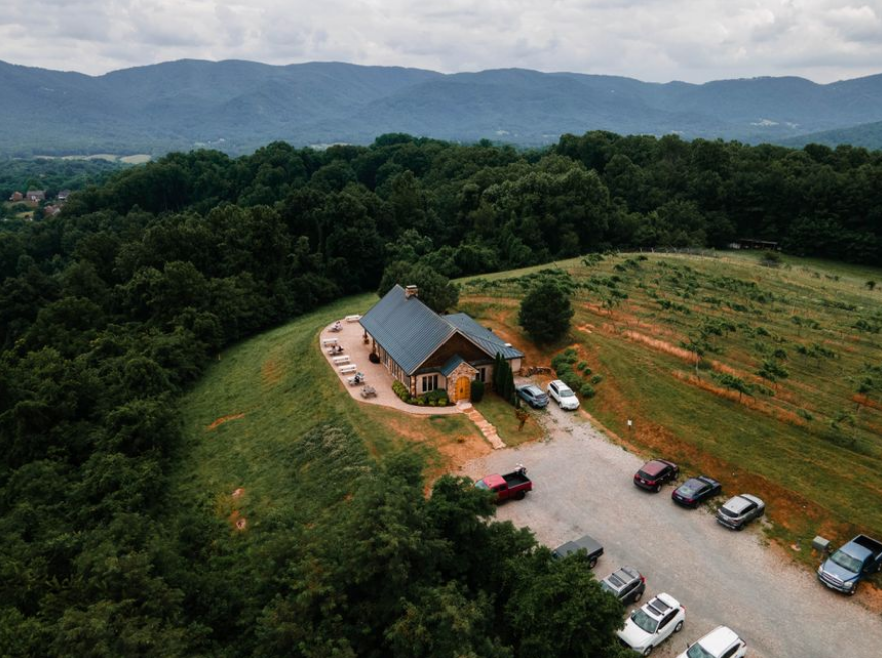
Weddings in Virginia have stretched well past a single afternoon, and couples now regularly plan two or three days of activity around the ceremony itself. That shift creates a genuine hosting challenge. Guests travel in, often from several states away, and the hours between arrival and departure need structure without turning into an obligation. Done well, a wedding weekend gives people time together that a three-hour reception never allows. Done poorly, it exhausts everyone before the main event. The difference is almost entirely in the planning.
Starting With the Setting
Couples tend to argue over dates, dresses, and guest lists long before they settle on a place, but the place decides more than any of it. A venue that can hold the ceremony, the dinner, and two nights of guests without anyone leaving the grounds turns a wedding into a real weekend. One that cannot leaves everybody checking maps between events, arriving late, and slipping out early. Vineyard properties tend to solve this better than most, since the land is already there and the buildings were designed to keep people fed and comfortable on site. A Virginia vineyard wedding at Nicewonder Farm & Vineyards runs on more than 1,500 acres of rolling hills in the Blue Ridge Mountains, with indoor and outdoor ceremony options. Boutique accommodations and dining sit on the property, so the celebration carries from arrival through farewell in one place.
Mapping the Timeline Before Anything Else
The backbone of a good wedding weekend is a schedule that guests can actually read. Most work on a simple arc. Friday brings arrivals and something low-key in the evening. Saturday holds the ceremony and reception. Sunday closes with a relaxed farewell before people travel home. Within that frame, the important discipline is restraint. Every hour does not need programming. Guests need time to unpack, rest, and see people they have not seen in years, and unstructured stretches are where most of that happens. Fixing the ceremony time first makes the rest fall into place, since everything else is built around that single point. Once it is set, work outward in both directions and resist the urge to fill every gap you create.
Communicating Clearly and Early
Guests plan their own travel around whatever information they receive, so vague details produce logistical chaos. A wedding website with a full schedule, dress guidance for each event, travel directions, and accommodation information solves nearly all of it. Send that information at least two months out, earlier for anyone flying. Be explicit about which events are for everyone and which are for a smaller group, since ambiguity on that point causes real awkwardness. Clarity here costs a couple nothing and saves guests considerable stress.
Thinking About Who Is Coming
A guest list spanning multiple generations has genuinely different needs within it. Older relatives want seating, shade, and short walking distances. Families with small children need early options and quiet space. Friends in their twenties and thirties will happily stay up late. Trying to design one activity that satisfies all of them usually satisfies none. The better approach is offering a small number of parallel options during open stretches, so people can choose what suits them without feeling they missed the official thing.
Handling Accommodation Thoughtfully
Where guests sleep affects how much they participate. When people stay on, or very near the property, they come to breakfast, linger after dinner, and generally spend more time together. Scattered lodging produces the opposite. Where a range of options exists, providing clear guidance on distances and travel time helps guests decide well. Whatever the arrangement, communicating it early matters, because accommodation is the first thing guests book and the hardest thing to change once they have.
Budgeting for the Whole Weekend
Extending a wedding across several days multiplies costs in ways that surprise couples. Additional meals, extra rentals, longer vendor hours, and welcome events all add up. The useful discipline is deciding early which events the couple hosts fully and which are optional and self-funded for guests. Both approaches are perfectly acceptable, but mixing them without saying so creates confusion and occasionally resentment. Being direct about it in the invitation materials keeps expectations aligned on all sides.

Planning for Weather in Either Direction
Outdoor settings are beautiful and entirely at the mercy of conditions. Any plan involving an outdoor ceremony needs a fully worked out indoor alternative, decided and communicated rather than improvised on the morning. Beyond rain, consider heat, cold, wind, and insects depending on the season. Shade, water, blankets, and fans are small provisions that guests remember. The decision point for switching plans should also be set in advance, with one person authorized to make the call so nobody is debating it while guests are arriving.
Protecting Time for the Couple
The couple typically spends the weekend moving between conversations and rarely gets to finish any of them. Building in deliberate quiet time, even thirty minutes before the ceremony and a short break during the reception, makes an enormous difference to how the day feels afterward. Some couples schedule a private meal at the start of the reception for exactly this reason. Assigning a trusted friend or coordinator to handle questions during those windows keeps the pause from being interrupted, which is the only way it actually works.
Landing the Ending
Departures deserve as much thought as arrivals. A relaxed final gathering, whether breakfast or something simpler, gives everyone a natural conclusion rather than a scattered checkout. It also creates one last unhurried chance for conversation, which for guests who traveled a long way is often the part they mention afterward. Keep it easy, keep it optional, and keep the timing generous. A weekend that ends well leaves people with the impression that the whole thing was effortless, which is the highest compliment a plan of this size can earn.