For many of us, our first encounter with a major historical event doesn’t happen in a classroom; it happens in a movie theater. We “learn” about the sinking of the Titanic from James Cameron, the D-Day invasion from Steven Spielberg, and the Roman Empire from Ridley Scott. Cinema is a powerful medium for storytelling, capable of breathing life into dusty dates and names.
However, there is a dangerous line between dramatization and distortion. When filmmakers prioritize the “Rule of Cool” over the historical record, they don’t just entertain us; they fundamentally alter our collective memory of the past.
The friction between historical fact and cinematic fiction is inevitable. A two-hour movie cannot possibly capture the complexity of a ten-year war or a lifetime of political maneuvering. Timelines must be compressed, characters amalgamated, and dialogue invented. Yet, the issue arises when these changes create a false narrative that supersedes the truth.
Students often come to history classes with rigid misconceptions implanted by their favorite blockbusters, making the teacher’s job significantly harder. Unlearning a vivid movie scene is often harder than learning a dry fact. This disconnect is so prevalent that students struggling to differentiate fact from fiction often look for available paper writers on essayservice.com to help them untangle the real history from the Hollywood version for their assignments.
The Braveheart Effect: Why Accuracy is Sacrificed
Why do filmmakers do it? Why turn William Wallace, a minor noble, into a kilt-wearing peasant (kilts wouldn’t be invented for another few hundred years)? The answer is usually narrative efficiency and emotional resonance. Real history is messy, ambiguous, and often lacks a satisfying third-act climax.
Filmmakers rewrite history to fit standard storytelling structures:
- The “Great Man” Myth: Complex social movements are often reduced to the actions of a single hero. For example, The Imitation Game portrays Alan Turing as single-handedly cracking the Enigma code, ignoring the massive team of Polish and British cryptographers who were essential to the breakthrough.
- The Villain Problem: History rarely has mustache-twirling villains. However, movies need a clear antagonist. This leads to caricatures, such as the depiction of Persian King Xerxes in 300 as a mystical monster rather than a human ruler.
- The Love Interest: Hollywood demands romance, even where none existed. This often leads to the insertion of fictional love triangles that distract from the actual political or military stakes of the event.
- The Composite Character: Real life involves too many people for an audience to track. Screenwriters often merge five or six real historical figures into one “composite” character. While this saves time, it erases the diverse contributions of the real people involved.
The Educational Impact
The danger of these rewrites is that for the general public, the movie becomes the history. Most people will not read a biography of Mozart, but they have seen Amadeus. Therefore, the jealous, mediocre Salieri of the film replaces the respected, successful composer of reality in the public imagination.

This phenomenon creates a unique challenge for educators. Films can be excellent hooks to get students interested in a topic, but they must be consumed critically. This is a point frequently discussed by educational experts. Jennifer Lockman, a contributing writer for EssayService, emphasizes that movies should be viewed as “historical fiction” rather than “dramatized documentaries.” As a professional within the essay writing service industry, Lockman notes that students frequently cite movie plot points as historical facts in their essays, requiring correctors to guide them back to primary sources.
The Responsibility of the Filmmaker
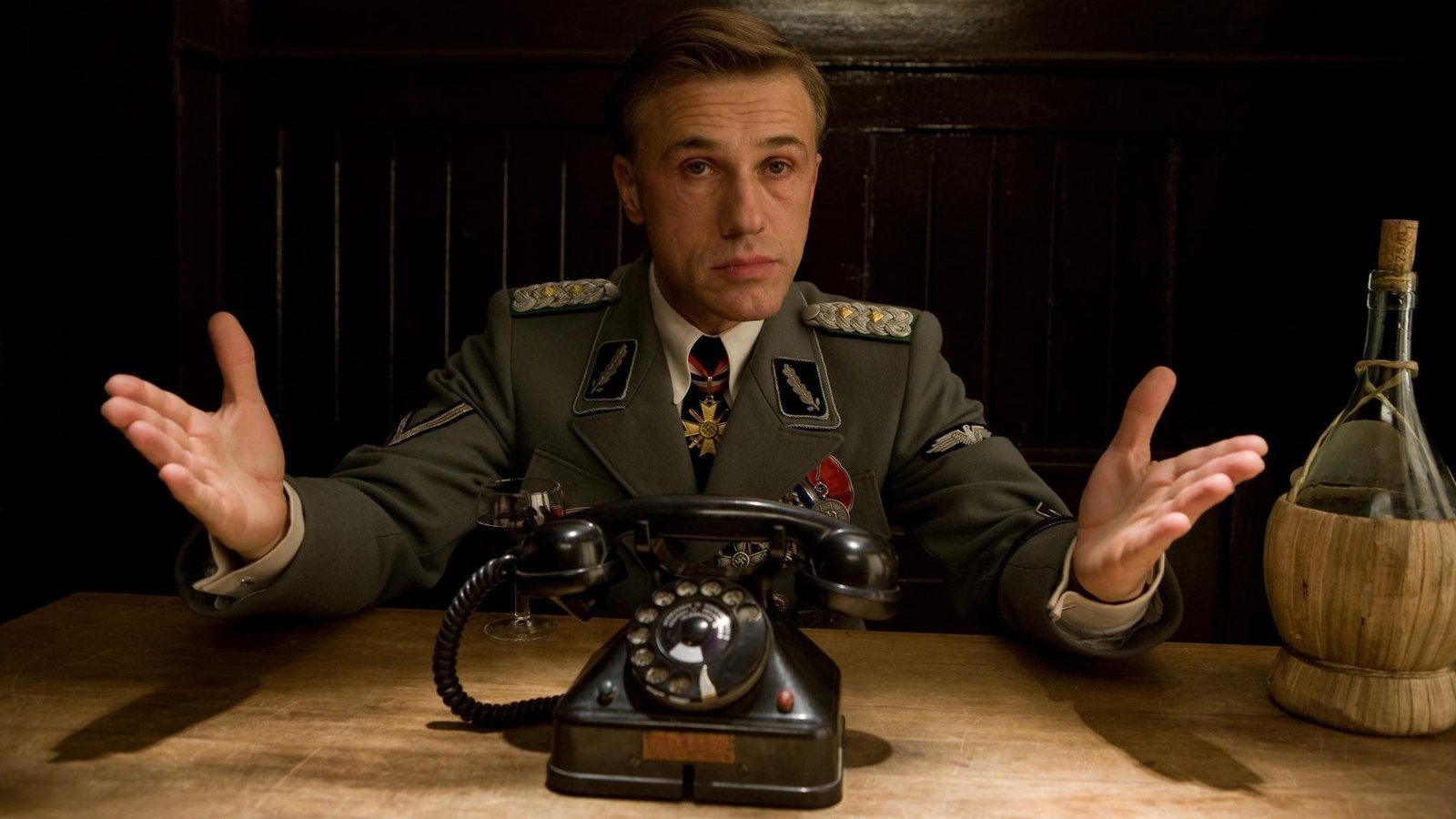
Does Hollywood owe history an apology? Some directors, like Christopher Nolan with Dunkirk, go to obsessive lengths to ensure period accuracy, down to the fabric of the uniforms. Others, like Quentin Tarantino in Inglourious Basterds, intentionally rewrite history as a stylistic choice to create a revenge fantasy that no one mistakes for a documentary.
The problem lies in the middle ground where movies market themselves as “based on a true story” while taking wild liberties. When a film claims authenticity, it assumes a burden of responsibility. It is presenting itself not just as art, but as a record. When that record is falsified for the sake of a better explosion or a tear-jerking speech, it betrays the audience’s trust.
Conclusion
We cannot expect movies to be textbooks. Their primary job is to entertain, to move, and to inspire. However, viewers must become active consumers of media rather than passive observers. We need to enjoy the spectacle of Gladiator while acknowledging that the real Emperor Commodus was a very different man. By treating historical films as a starting point for curiosity rather than the final word, we can enjoy the magic of Hollywood without losing the truth of history. Ultimately, the screenwriters can ignite our interest, but it is our responsibility to do the research and keep the flame of truth alive.