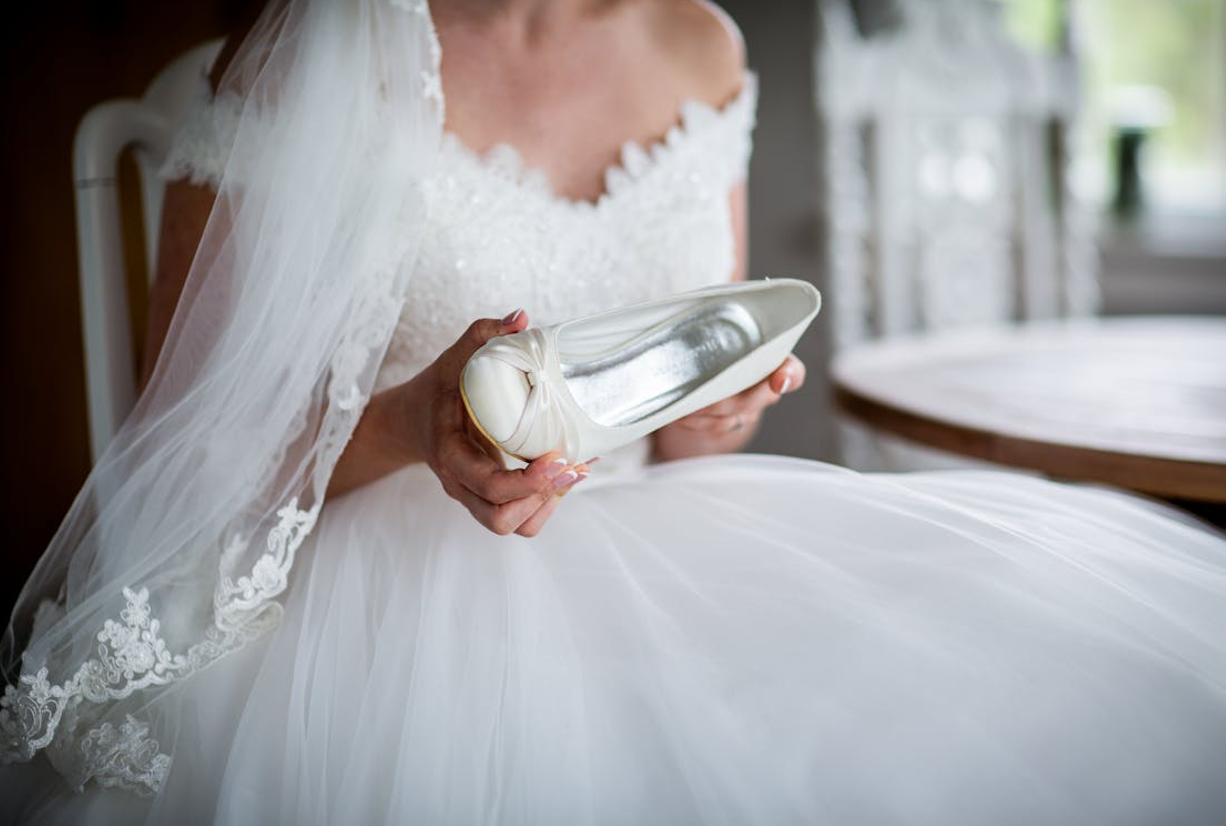
A white dress looks simple on a hanger, and then shoes change everything fast. The hemline shifts, the fabric catches light, and the whole outfit takes a side.
If you want a steady starting point, this guide on shoes to wear with white dress
lays out pairings that feel easy and wearable. After that, it helps to think like a stylist and a photographer at once.
Photo by Rene Terp
Start With Color, Finish, And The Light Around You
White fabric reflects light, so shoe color reads louder than you expect. That is why two neutral pairs can look totally different in the same room. You notice it most when you take quick mirror photos.
Warm whites and creams usually sit well with tan leather, raffia, and soft gold details. Bright optic whites often look cleaner beside cool gray, black, or silver metals. The difference feels small until you see it in daylight.
Finish matters as much as color, especially in close photos and outdoor sun. Matte leather looks calm, while patent and satin pull attention quickly. Suede can look rich too, but it shows dust faster than you think.
Texture is another quiet factor that keeps outfits from feeling split. Linen, crochet, and eyelet look better with shoes that have some grain or weave. Super glossy shoes can fight rough fabric and make the look feel divided.
If you want the dress to stay the focus, shoes close to your skin tone usually keep the line long. That matters with minis, and it still helps with midis. It also makes your legs look less “cut off” in photos.
If you want contrast, it tends to work better when it repeats once. A black shoe feels more natural when there is a black strap, belt, or sunglasses. Without that echo, the shoe can feel like a sudden stop.
Heel Shapes That Look Good And Still Feel Wearable
A good outfit falls apart when you start shifting weight and watching the ground. Comfort is not a bonus, because it changes your posture and your mood. And you can see both in candid shots.
Heel height and toe shape do a lot of the comfort work. The American Podiatric Medical Association notes that heels over two inches can increase pressure at the front of the foot, which matters for long events.
Block heels are the easy middle, because they read dressed up without feeling fragile. They look balanced under fuller skirts and structured shirt dresses. They also handle uneven sidewalks better than you might expect.
Kitten heels bring polish without the loud “night out” feel of a stiletto. They pair well with slip dresses and satin midis, where heavy shoes can look clunky. They also keep the outfit light, which suits white.
Platforms can feel comfortable, but only when the upper holds your foot securely. A loose platform makes your stride look tentative, and that shows in photos. If you go for one, a snug strap across the foot helps.
Strappy sandals are flattering with bare legs, but strap placement matters. Straps that sit flat look cleaner and feel better after an hour. If straps pinch, the shoe looks uncomfortable even from far away.
Low Key Shoes That Still Look Intentional
Not every white dress moment needs a heel, and that is a relief. The trick is making casual shoes feel chosen, not like a last second swap. A few small details usually do the work.
Clean sneakers look best with simple silhouettes and thicker fabrics, like rib knits and poplin. A sleek tennis shape keeps the outfit crisp rather than sporty. Bright white sneakers can work, but off white often looks softer.
Ballet flats and low Mary Janes feel easy and still look put together. A rounded toe leans romantic without looking costume like. If the dress is very sweet, a slightly squared toe can add balance.
Loafers can look sharp with a white mini or a shirt dress. They also work well with a visible sock when the weather is cooler. Keeping the sole proportional to the hem helps the outfit stay light.
Cowgirl boots can look great with a white dress, but the shaft height changes the whole vibe. A shorter shaft feels playful, while a taller shaft reads more dramatic. A simple boot stitch looks cleaner than heavy contrast designs.
If you like a cleaner version of the boot idea, minimal styling cues help. This piece on minimal fashion gives a good visual reference for simple lines and restrained details.
Match The Shoe To The Setting, Not Just The Dress
A white dress shows up everywhere, from city brunch to gallery openings to beach dinners. The same dress can look totally different with one shoe change. That is why the setting is often the first decision.

For daytime walking, stable bases and easy materials tend to win. Wedges, low block heels, and leather sandals keep you present instead of distracted. They also look natural in bright daylight.
For work events, closed toe shoes usually read more finished. Pointed toe flats, slingbacks, and small heels keep the outfit clean. If the dress is very floaty, a structured shoe adds a nice counterweight.
For weddings and formal nights, matching the shoe to the fabric mood helps. Satin, metallic leather, and delicate straps look right with silk and chiffon. A heavy shoe can make a dress feel less special.
For travel, it helps to think about packing and surfaces. A supportive sandal and a sleek flat cover most white dress looks. They also let you walk without planning every step.
If you are planning photos, movement reads before details. Research on heel height and balance shows higher heels can affect stability, and posture changes when balance feels off.
Style It Like A Visual Composition
Art Sheep readers already know the eye looks for shape, contrast, and rhythm. A white dress is a wide open frame, so shoes become a strong visual anchor. That can be fun, and it can also simplify choices.
It helps to decide what role the shoe plays in the outfit. Sometimes you want the shoe to fade, and sometimes you want it to add shine. Either way, the choice feels clearer once you name the goal.
If the dress is minimal, the shoe can carry more interest, like a metallic finish or a sculptural mule. If the dress has detail, a quiet shoe keeps the look clean. That balance keeps outfits from feeling busy.
Repeating one detail makes the pairing look planned. A gold sandal feels steadier when earrings or a buckle echo that same gold. It is a small trick, but it reads as intention.
When you are unsure, three quick photos in different light usually settle it. Indoor light, window light, and outdoor shade show different things. The right pair tends to show itself when you stop staring only at your feet.
Keep The Order Simple And The Outfit Follows
Start with the setting, because comfort and surfaces decide more than trends do. Then match the shoe finish to the dress fabric, so the textures agree. After that, color can either blend quietly or contrast with one small echo.
When you keep those choices in that order, outfits come together faster. You also end up with photos that look intentional, not accidental. And you can enjoy wearing the dress instead of managing it.