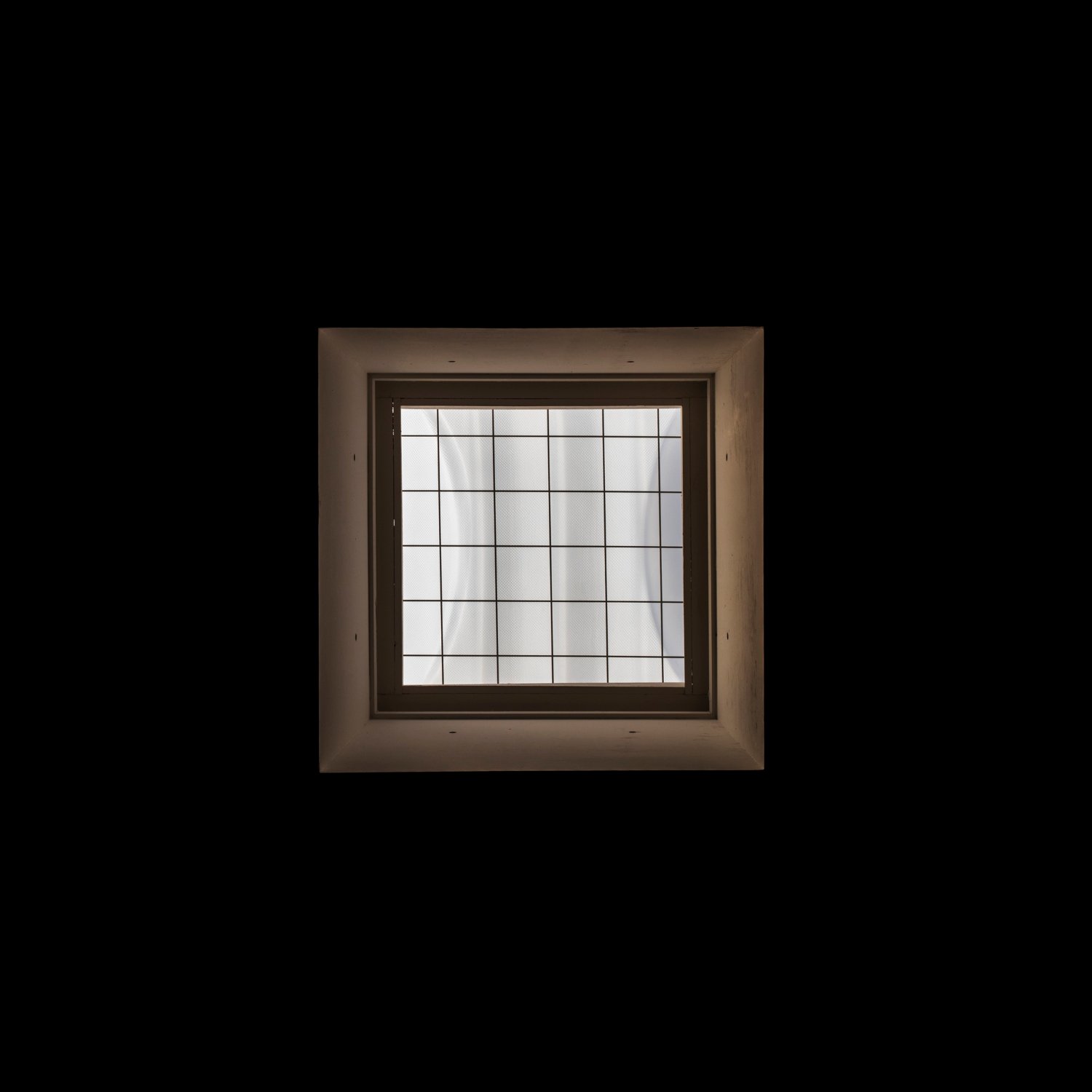
Flat roofs have quietly become one of the most useful canvases in modern building design. They’re clean, space-efficient, and adaptable—ideal for extensions, loft conversions, garden rooms, and contemporary new builds. The trade-off, of course, is light. A pitched roof naturally offers opportunities for dormers and skylights, but a flat roof can easily end up feeling like a lid.
That’s where overhead glazing comes in. Done well, it changes how a room works—daylight penetrates deeper, layouts become more flexible, and spaces feel calmer and larger. Done badly, it becomes the weak point in an otherwise solid envelope: leaks, condensation, heat loss, and endless call-backs.
If you’re researching options, it helps to understand the system as more than “a window in a roof.” Products, interfaces, and detailing matter. Resources on overhead window systems for flat roofs are useful because they show the range of configurations available—and, more importantly, what needs to be designed in from the start rather than improvised on site. The real value comes when installation matches that level of intent.
Flat roofs are unforgiving: the details do the heavy lifting
A common misconception is that flat roof windows fail because the product is poor. In practice, most issues trace back to the junctions—where the roof system meets the glazing system.
Unlike pitched roofs that shed water quickly, flat roofs manage water more slowly. They rely on subtle falls, intact membranes, and well-considered drainage. Any roof penetration needs to respect that reality. Small errors compound: a few millimetres of ponding can turn a minor detailing flaw into a persistent leak.
Professional installers tend to focus on three make-or-break interfaces:
The upstand, not the glass, is the first line of defence
The upstand (the raised kerb the window sits on) is what keeps water away from vulnerable junctions. Height, material choice, and insulation continuity all matter. Too low, and splashback or temporary ponding can overwhelm the detail. Poorly insulated, and you’ve created a cold bridge—prime territory for condensation and mould.
Membrane integration is a craft, not a quick lap
Single-ply membranes, bituminous systems, liquid-applied coverings—each has its own rules for adhesion, cornering, and termination. You can’t “generic” your way through it. A professional will understand compatibility (including primers and adhesives), correct overlaps, and how to avoid fish-mouths or tension points that fail after a season of thermal movement.
Falls and drainage must be checked, not assumed
Flat roofs should fall—just not enough that you notice by eye. When an overhead window is introduced, it can interfere with drainage paths. A proper installer will confirm the direction of falls, assess potential ponding around the frame, and ensure the final detail doesn’t create a dam.
Energy performance depends on installation quality as much as specification
It’s tempting to compare roof windows by U-values alone. While those figures matter, real-world performance depends on continuity—of insulation, air tightness, and vapour control.
Here’s what professionals do differently:
They prevent thermal bridges around the frame
Even high-performance glazing can underdeliver if the surrounding construction is poorly insulated. The frame-to-roof junction needs careful insulation returns. If not, you can end up with a cold perimeter that triggers condensation, especially in kitchens, bathrooms, and open-plan living spaces where moisture loads are higher.
They maintain air tightness and vapour control layers
Warm air escaping into a roof build-up is a recipe for interstitial condensation. Over time, that can degrade insulation, rot timbers, and reduce indoor air quality. Competent installation respects the layers: airtightness on the warm side, weatherproofing on the cold side, and correct sequencing so one doesn’t compromise the other.
They match glazing choices to orientation and room use
South-facing overhead glazing can be brilliant in winter and punishing in summer. Professionals will flag the need for solar control glazing, ventilation strategies, or shading—especially as UK summers trend warmer and heatwaves become less “exceptional.” In other words, they’re not just installing a unit; they’re helping you avoid a space that overheats half the year.
Structural and safety realities are easier to manage with experts
Cutting an opening into a flat roof isn’t automatically complex, but it is consequential. Loads must be redistributed. Edges must be supported. And the build-up must remain safe to maintain.
Load paths and deflection need to be understood
A roof window introduces a stiff element into a surface that might deflect slightly under load. If surrounding joists or decking aren’t properly trimmed and supported, you can see cracking finishes internally, stressed seals, or long-term movement that compromises waterproofing.
Safe access and glazing specification aren’t optional
Overhead glazing should be appropriate for overhead use—both in terms of safety glazing and durability. There’s also the practical question: can it be cleaned safely? Will installers provide a solution that considers maintenance rather than leaving you with an awkward, risky task later?
Building regs and documentation matter
Depending on the project, considerations may include thermal compliance, ventilation, fire safety, and escape routes. Professionals are more likely to supply the documentation homeowners and building control officers expect—spec sheets, installation guidance, and sign-off support.
What “professional installation” looks like in practice
It’s not just about having the right tools. A good installation process tends to follow a disciplined sequence that reduces risk.

You’ll typically see:
- Pre-install checks on roof falls, drainage routes, and opening dimensions
- Correct formation and insulation of the upstand/kerb
- Membrane detailing that follows the roof system’s rules (not generic sealant fixes)
- Airtightness and vapour control continuity on the warm side
- Final testing/inspection for water tightness and internal finish integration
That’s the only bullet list you should need, because the takeaway is simple: the “system” is bigger than the window.
The long view: fewer call-backs, better comfort, higher confidence
If you’re weighing DIY or generalist labour against a specialist approach, it helps to frame the decision in lifecycle terms. A flat roof is already a detail-sensitive element. Introducing overhead glazing can deliver dramatic daylight and ventilation gains—but it narrows the margin for error.
Professional installation is less about paying for someone to “fit a window” and more about paying for:
- Robust waterproofing that holds up across seasons
- Better thermal comfort and fewer condensation surprises
- A roof that remains maintainable, compliant, and reliable
And if you’re investing in a flat-roof extension to gain space and value, it makes sense to protect that investment at its most vulnerable junction: the roof opening.
Overhead windows can be transformative on flat roofs. The rooms feel different—more breathable, more natural, more alive. The key is making sure the transformation doesn’t come with hidden compromises, and that’s where professional installation earns its keep.