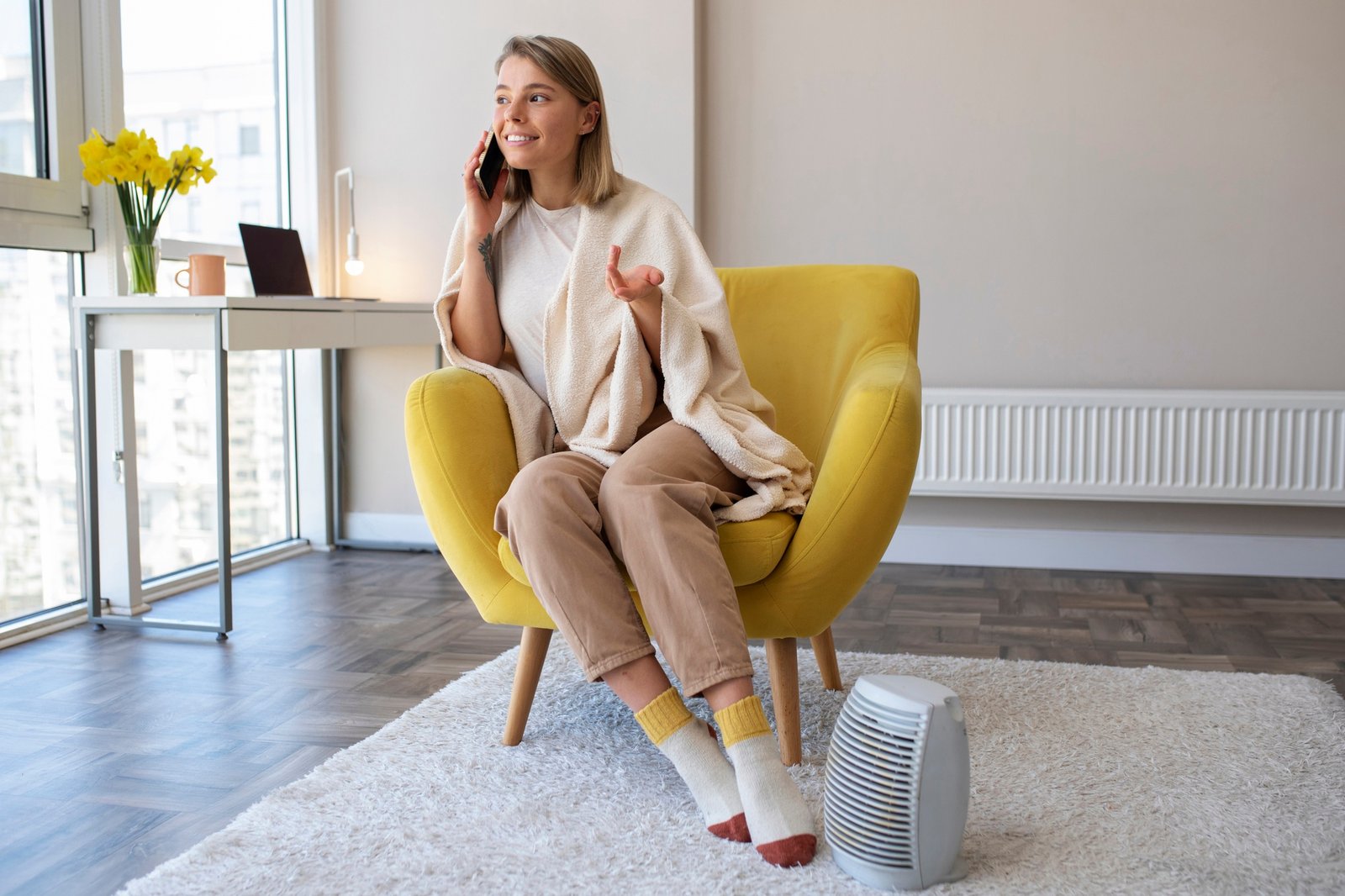
In an era where every smartphone tries to be a therapist, productivity coach, wellness tracker, and amateur psychologist, humanity has finally snapped and said: “Actually… what if my phone did less?” And so, the flip phone — yes, the clamshell relic your high-school crush used to dramatically snap shut during arguments — is back in circulation, riding a wave of collective exhaustion, digital fatigue, and, ironically, hyper-online discourse.
Welcome to 2025, where the future is medieval and the past is convenient.
The Anti-Smartphone Revolution
The revival of the flip phone isn’t exactly logical. It’s emotional. People aren’t fleeing technology; they’re fleeing the feeling of being perpetually “on.” The flip phone offers a deliciously archaic gesture — closing it with a satisfying clack, sealing off the world like slamming a door in the face of a needy landlord.
This desire for analog simplicity mirrors the art world’s fascination with reduction, deconstruction, and stripping things down to their bare bones. It’s the same impulse that drives people to admire artists who break things apart visually, much like the delightfully obsessive process visible in Ursus Wehrli’s methodical rearrangements, showcased brilliantly in Art-Sheep’s piece on tidying up art
— a reminder that sometimes, chaos needs a hinge.
Gen Z Leads the Digital Rebellion
Gen Z — the demographic that allegedly “can’t live without their phones” — is ironically the one leading the charge toward minimal tech. Not because they’re Luddites, but because they know what 24/7 connectivity does to a human nervous system. They’ve felt the thumb-scrolling burn, the dopamine crashes, the doomscroll hangovers.
Their message is simple: if life is already overwhelming, maybe the pocket computer shouldn’t be.
Studies increasingly support the idea that limited-tech living reduces cortisol levels and improves sleep, according to research compiled by the American Psychological Association (source
) — an entirely predictable finding that somehow still feels revelatory.
The Aesthetic Resurrection
Let’s be honest: flip phones also look cool again.
They carry the aesthetic energy of a pre-algorithmic age, when your wallpaper was a pixelated photo of your best friend, not an auto-generated slideshow reminding you of exes you’ve blocked on seven platforms.
And unlike smartphones, which all resemble matte-black anxiety slabs, flip phones have character. They’re playful. They have colors. They’re friendly. They make you feel like a protagonist in a 2000s film, not a gig-economy employee of your own data.
Celebrities and the De-Influence Era
It only took a handful of celebrities posting mirror selfies with retro flip phones for the movement to explode. When the rich and powerful — people who can afford phones that practically cook dinner — switch to something that barely survives the rain, it sends a message:
Digital minimalism is the new luxury.
A-list actors seem determined to turn flip phones into the new avocado toast.
A Rebellion Cloaked in Nostalgia
The flip phone comeback isn’t nostalgia for the hardware — it’s nostalgia for a psychological state. A time before every waking moment was timestamped, categorized, quantified, and force-fed back to us through targeted ads.
People miss boredom.
They miss daydreaming.
They miss waiting for someone without checking three apps to see if they’re nearby.
The flip phone isn’t a device. It’s a boundary.
The Return to Physical Ritual
There is something strangely cinematic about opening and closing a phone. That hinge carries a ritualistic gravitas:
-
You open it when you’re ready to engage.
-
You close it when you’re done.

In a world where engagement is passive, constant, and often involuntary, such a simple act feels almost radical.
Even cultural institutions like MoMA have previously highlighted the emotional power of tactile design, analyzing how objects we physically manipulate affect our sense of agency (MoMA Collection Essays
) — another reminder that touch matters.
From Digital Detox to Digital Diet
The flip phone revival isn’t a rejection of modernity — it’s a recalibration.
People still use laptops. They still stream shows. They still doomscroll on tablets at 2 AM because insomnia is stronger than any cultural movement. But the flip phone creates a perimeter around the worst instincts of the attention economy.
It’s not digital detox.
It’s digital portion control.
A diet, not starvation.
So… Are Flip Phones the Future?
Probably not in the long-term tech sense. But culturally? Absolutely.
People want friction again. They want tools that don’t multitask themselves into existential threats. They want to feel present in their own lives. The flip phone’s resurgence is a critique of design, attention, capitalism, memory, and the awkward fact that humans were not meant to process 300 notifications before breakfast.
The future isn’t analog.
But it is asking for time to breathe.