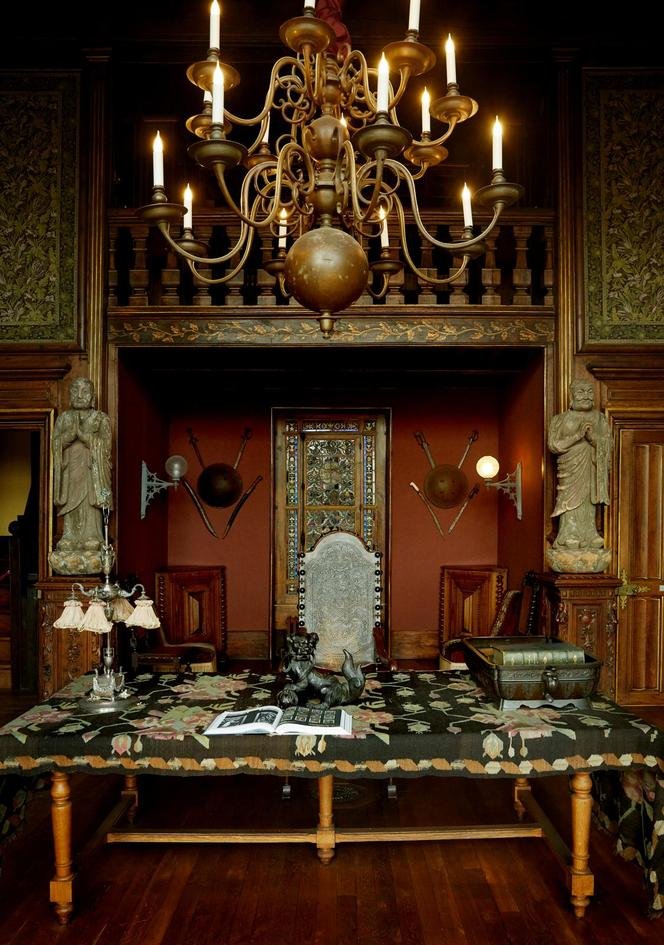
An elevated living experience starts with intention. Every room you step into should support how you live, work, and recharge. A better space is not defined by size or price tag. It is defined by how well it serves you. Thoughtful planning, quality choices, and attention to detail create an environment that feels both functional and refined.
Clear direction makes transformation possible. You need a vision, a plan, and a commitment to choosing elements that reflect your lifestyle. Comfort should meet beauty. Practical needs should align with aesthetics. When each decision supports the way you move through your day, your home begins to feel cohesive and purposeful. The following steps break down exactly how to make that shift with clarity and confidence.
Clarify Your Vision
A strong vision anchors every design choice. Without it, decisions become scattered, and the space loses consistency. Start by asking how you want your home to feel. Calm and quiet. Energetic and social. Warm and intimate. Your answer sets the tone for everything that follows.
Write down priorities before considering furniture or finishes. Identify what currently works and what feels out of place. Collect visual references that capture the atmosphere you admire. Pay attention to patterns in those references. Notice recurring colors, textures, and layouts. Patterns reveal preference.
Understand Quality Design Principles
Great spaces rarely happen by accident. Balance, proportion, rhythm, and flow shape how a room feels long before decor enters the picture. Balanced layouts create visual stability. Proper scale ensures that furniture fits the room instead of overwhelming it. Clear circulation paths make movement effortless.
Professional designers rely on these fundamentals to create environments that feel cohesive. Look up Ralston Architects residential luxury design firm, and discover how they create transformative homes that blend tradition, innovation, and personalized design. Their work reflects a careful study of architecture, context, and individual client needs. Tradition grounds the design in timeless structure. Innovation introduces modern efficiency and creative solutions. Personalization ensures the space feels tailored rather than generic.
Plan with Purpose
Purposeful planning protects both budget and time. Impulse purchases often lead to clutter and imbalance. A measured approach begins with evaluating how each area of your home is used throughout the day.
Map out zones within each room. A living room may include conversation seating, reading corners, and media space. Define those zones before selecting furniture. Consider traffic flow carefully. Walkways should remain unobstructed and natural. Comfortable movement enhances both practicality and elegance.
Choose Materials and Finishes with Intent
Materials shape mood more than most people realize. Wood introduces warmth. Stone communicates permanence. Metal adds crisp contrast. Texture influences how light interacts with a room and how inviting a surface feels to the touch.
Color selection deserves equal attention. Neutral foundations create flexibility, while accent tones introduce personality. Light plays a major role in how colors appear. Observe how natural light changes throughout the day before finalizing paint or fabric choices. Durability should never be overlooked. High-traffic areas require resilient finishes that maintain their appearance over time. Kitchens and bathrooms benefit from materials that resist moisture and wear. Elevated living depends on quality that lasts, not constant replacement.
Elevate Everyday Functionality
True elevation goes beyond appearance. Function defines how comfortable and efficient your space feels. Storage solutions should reduce clutter without dominating the room. Built-in shelving, concealed cabinets, and multipurpose furniture help maintain order.
Lighting deserves careful layering. Ambient light sets the overall tone. Task lighting supports specific activities. Accent lighting highlights architectural or decorative features. Proper layering improves comfort and enhances visual depth. Furniture placement also influences usability. Seating should encourage conversation without forcing awkward angles. Workspaces should support posture and productivity. Thoughtful positioning creates ease.
Add Personal Touches That Matter
A refined space should still feel personal. Style alone cannot create a connection. Meaningful details bring warmth and authenticity into a home. Art, heirlooms, travel pieces, and books tell a story that no catalog can replicate.
Select items that reflect your experiences and interests. A carefully curated gallery wall can express personality without overwhelming the room. Sculptural objects placed with intention create visual interest. Layering textiles such as throws and pillows introduces comfort while reinforcing your color palette. Restraint is important. Personalization should feel curated rather than crowded. Edit thoughtfully. Leave breathing room between decorative elements so each piece has presence.
Integrate Comfort and Well-Being
Elevated living includes physical and emotional comfort. A visually appealing space loses value if it feels uncomfortable or harsh. Seating should invite relaxation. Fabrics should feel pleasant to the touch. Temperature, acoustics, and lighting all contribute to overall well-being.
Layered lighting creates flexibility throughout the day. Soft ambient lighting supports relaxation in the evening. Brighter task lighting enhances productivity during focused work. Dimmer switches provide control and adaptability. Natural elements improve the atmosphere in subtle but powerful ways. Indoor plants introduce life and soften architectural lines. Natural light enhances mood and highlights textures. Fresh air circulation keeps spaces feeling open and clean.

Review and Refine
Design rarely reaches perfection in a single phase. Reflection allows improvement without unnecessary overhaul. After completing initial changes, observe how the space performs over time. Notice how it feels during busy mornings and relaxed evenings.
Ask practical questions, like:
- Does traffic flow feel natural?
- Are frequently used items easy to access?
- Does lighting support different moods and tasks?
Honest evaluation reveals small adjustments that can elevate the experience further. Editing plays a vital role in refinement. Remove items that disrupt cohesion. Shift furniture slightly to improve alignment. Introduce subtle upgrades such as upgraded hardware or improved textiles when needed. Precision strengthens overall impact.
An elevated living experience grows from intentional choices and thoughtful refinement. Clear vision establishes direction. Design principles provide structure. Planning ensures efficiency. Quality materials create lasting appeal. Functional upgrades improve everyday comfort. Personal touches bring character. Attention to well-being enhances emotional connection. Ongoing review sharpens the final result.
Transformation does not require dramatic gestures. Steady, purposeful decisions build momentum over time. A space begins to feel elevated when every element supports how you live and how you want to feel. Commitment to clarity and quality turns an ordinary home into an environment that inspires comfort, confidence, and lasting satisfaction.